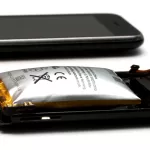





A swollen power bank should be treated as a warning sign, not as a cosmetic problem. If the case is bulging, the seams are opening, the pack feels unusually hot, or it smells strange, stop using it and stop charging it. A power bank is just a portable lithium-ion battery pack, and swelling can mean gas has built up inside a cell after stress, aging, damage, heat, overcharging, or internal failure.
The safest first step is simple: disconnect the power bank, move it away from anything flammable, and do not press, puncture, squeeze, or try to flatten it. If it is smoking, hissing, leaking, sparking, or getting hotter, treat it as an emergency and move away. For broader battery context, compare this with phone battery swelling and lithium battery explosions.
Safety note: this article is general consumer safety information, not repair, fire-response, shipping, or hazardous-waste advice. Follow the power bank manufacturer, local waste authority, recycling program, and emergency services if there is heat, smoke, fire, leakage, or injury risk.
What Power Bank Swelling Means
Most modern power banks use lithium-ion or lithium-polymer cells. These cells store a lot of energy in a small space. When a cell is damaged, overheated, overcharged, deeply discharged, poorly manufactured, or aged beyond its safe life, chemical reactions inside the cell can create gas. That pressure can push the pouch or case outward.
Swelling does not always mean the power bank will immediately catch fire. But it does mean the battery should no longer be treated as normal. A swollen pack has already changed physically. Continued charging, pressure, heat, or impact can increase risk.
Warning Signs To Take Seriously
A power bank can fail quietly at first. Look for physical, thermal, and charging behavior changes.
- The case bulges, bends, cracks, or separates at the seam.
- The power bank rocks on a flat table when it used to sit flat.
- USB ports no longer line up cleanly with the case.
- The pack feels hot while idle or gets unusually hot while charging.
- It smells sweet, metallic, solvent-like, or burnt.
- Charging stops and starts, percentage jumps, or the lights behave strangely.
- The pack leaks, hisses, smokes, sparks, or leaves residue.
If you see smoke, sparks, leakage, or rapid heating, do not keep inspecting it closely. Distance matters. A small power bank can still create a dangerous fire if it fails near bedding, paper, furniture, a car interior, or other electronics.
What To Do Immediately
When you notice swelling, keep the response boring and careful. The goal is to reduce energy, heat, pressure, and contact with flammable material.
- Unplug it. Disconnect it from the wall, laptop, phone, or solar charger.
- Stop using it. Do not test it on another device to see if it still works.
- Move it carefully. If it is cool and stable, place it on a nonflammable surface away from paper, fabric, carpet, curtains, and bedding.
- Do not compress it. Do not tape the case tight, clamp it, sit on it, or pack it in a tight drawer.
- Do not puncture it. Releasing pressure by cutting or piercing a battery is dangerous.
- Keep it out of vehicles and sun. Heat can make the situation worse.
- Arrange proper disposal. Use local hazardous waste, electronics recycling, manufacturer recall instructions, or a damaged-battery program.
If the power bank is hot, smoking, leaking, or actively failing, do not carry it through the house in your hand. Move away and contact local emergency guidance. If it is only slightly swollen and cool, handle it gently and keep it isolated until disposal.
Do Not Try To Fix a Swollen Power Bank
A swollen power bank is not a good DIY repair project. The case may contain multiple cells, a protection board, wiring, adhesive, and thin pouch cells. Opening it can create a short circuit or puncture a cell. Replacing cells inside a cheap or sealed power bank is usually not worth the risk.
The same principle applies to phones and laptops. If a device is bulging because of a battery, the safest approach is to stop using it and follow manufacturer or qualified repair guidance. For a related phone-specific guide, read how to handle phone battery swelling.
Can You Throw Away a Swollen Power Bank?
No. A swollen lithium-ion power bank should not go in household trash, curbside recycling, or a normal mixed recycling bin. Waste systems can crush, puncture, or short batteries during collection and processing. The U.S. EPA says lithium-ion batteries and devices containing them should be taken to separate recycling or household hazardous waste collection points rather than household garbage or recycling bins.
Damaged batteries also need special care. Call2Recycle classifies swollen, leaking, corroded, burned, defective, or recalled lithium batteries as damaged, defective, or recalled batteries that require special handling. That matters because a damaged pack can create fire risk during transport or at a collection facility.
How To Store It Until Disposal
Storage is temporary. Do not keep a swollen power bank around for weeks because you are unsure what to do with it. The safest storage depends on condition and local guidance, but the basic idea is to isolate it without trapping heat or putting pressure on the case.
- Keep it away from bedrooms, couches, papers, clothing, and clutter.
- Use a cool, dry location away from direct sunlight.
- Do not charge it to “check” whether it still works.
- Do not store it inside a hot car, backpack, suitcase, or crowded drawer.
- Keep children and pets away from it.
- Contact your local hazardous waste program, the manufacturer, or a damaged-battery recycler for instructions.
Some battery programs recommend nonflammable packing materials for damaged batteries. Follow the receiving program’s instructions because damaged lithium batteries can have shipping and packaging rules. Do not mail a swollen power bank unless the program specifically tells you how to do it legally and safely.
Why Power Banks Swell
Swelling usually comes from stress on the cells. Common causes include heat, aging, poor-quality cells, repeated full discharge, overcharging, impact damage, manufacturing defects, water exposure, or using the wrong charger. Sometimes the user did nothing obviously wrong; the pack simply aged or had a defect.
Heat is one of the biggest practical factors. Leaving a power bank in a hot car, charging it under a pillow, keeping it in direct sun, or using it while it is already warm can add stress. Charging and discharging at the same time can also increase heat in some models.
For the deeper safety mechanics, see lithium-ion battery explosion risks. For charging behavior around phones, phone battery drain on airplane mode explains why radios, signal search, and charging habits can affect battery use.
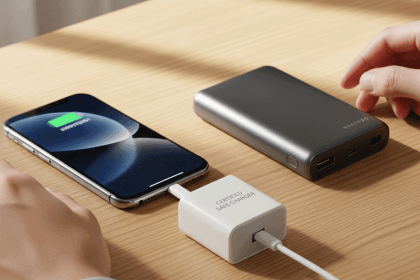
Safer Charging Habits for Power Banks
Good charging habits cannot make a defective power bank safe forever, but they can reduce avoidable stress.
| Habit | Why it helps |
|---|---|
| Charge on a hard, open surface | Heat can escape more easily than under pillows, blankets, or bags. |
| Use a reputable charger and cable | Cheap or damaged accessories can create unstable charging conditions. |
| Keep it out of direct sun and hot cars | Heat accelerates battery stress and aging. |
| Do not use damaged ports or frayed cables | Poor connections can create heat and intermittent charging. |
| Replace old packs before they become suspicious | Capacity loss, heat, swelling, and erratic behavior are signs to stop trusting the pack. |
When To Replace a Power Bank
Replace a power bank if it swells, overheats, smells strange, charges unpredictably, shuts off under normal use, has damaged ports, has been dropped hard, was exposed to water, or is part of a recall. Also replace it if the case is cracked or if the pack has become unreliable enough that you keep needing to “test” it.
A safe replacement should come from a reputable brand, have the right capacity for your actual use, support standard charging protocols, and include basic safety protections. Bigger is not always better. A huge pack stored badly can create more energy in the wrong place. If future battery chemistry interests you, solid-state batteries explains why safer, higher-density battery designs are still a work in progress.
Power Bank Swelling Checklist
- Stop charging and using it.
- Keep it away from flammable material.
- Do not press, puncture, bend, or open it.
- Do not throw it in household trash or curbside recycling.
- Check the manufacturer for recall or disposal instructions.
- Contact a local hazardous waste facility or damaged-battery recycling program.
- Replace it with a reputable model and safer charging habits.
Bottom Line
Power bank swelling means the battery pack should be retired immediately. Do not keep charging it, do not squeeze it back into shape, and do not throw it in the trash. Move it carefully if it is cool and stable, isolate it from flammable material, and arrange proper damaged-battery disposal through local hazardous waste, manufacturer instructions, or a qualified battery recycling program.
The safest power bank is boring: it stays cool, charges normally, has no case damage, uses a good cable, and gets replaced when it starts acting strange. Once swelling appears, the decision is already made. Stop using it and handle it as a damaged lithium-ion battery.
Sources: EPA lithium-ion battery disposal FAQ; Call2Recycle damaged, defective, and recalled batteries; CPSC lithium-ion battery cell warning.
How This Connects to Other Battery Problems
A swollen power bank is part of the same wider lithium-ion safety pattern as a swollen phone battery, but the practical handling is different because a power bank may contain multiple cells and ports. If heat, smoke, or cracking is involved, read the broader guide to lithium battery explosions before deciding how close to handle the device.