




Solid state batteries are one of the most important next-generation energy storage ideas because they replace the flammable liquid or gel electrolyte in many lithium-ion batteries with a solid electrolyte. In theory, that can improve safety, energy density, battery life, and fast-charging potential.
The key phrase is “in theory.” Solid state batteries are promising, but they are not a finished replacement for every EV, phone, laptop, or grid battery. The science is real, the engineering progress is real, and the manufacturing barriers are also real. A good explanation should include both sides.
This guide explains how solid state batteries work, why they matter, what problems they may solve, and why mass production is still difficult.
What Makes a Battery “Solid State”?
A conventional lithium-ion battery usually uses a liquid electrolyte to move lithium ions between the cathode and anode. A solid state battery uses a solid electrolyte instead. That solid electrolyte may be ceramic, polymer, sulfide-based, oxide-based, or a hybrid design depending on the chemistry.
Argonne National Laboratory explains that electrolytes carry charge between the cathode and anode, and that liquid electrolytes in commercial batteries can be flammable. Replacing that liquid with a solid material is one reason researchers are interested in solid state designs.
Solid state batteries are often discussed together with lithium metal anodes. Lithium metal can store more energy than the graphite anodes used in many current lithium-ion cells, but it introduces difficult problems such as dendrite growth and unstable interfaces.
Why Solid State Batteries Could Matter
| Potential benefit | Why it matters | What must still be proven |
|---|---|---|
| Higher energy density | EVs could travel farther or use lighter packs. | Real pack-level density, not only lab-cell results. |
| Improved safety | Solid electrolytes may reduce flammable liquid electrolyte risk. | Abuse testing, thermal behavior, and full-pack safety. |
| Fast charging | Shorter charging times could make EVs easier to use. | Charging speed without damaging cycle life. |
| Longer cycle life | Devices and vehicles could last longer before battery replacement. | Performance over thousands of real-world cycles. |
| New form factors | Thin or shaped cells could support different device designs. | Manufacturing consistency at commercial scale. |
The Lithium Metal Advantage and Dendrite Problem
The most exciting solid state battery claims often depend on lithium metal. Argonne notes that replacing graphite with lithium metal could, on paper, dramatically increase energy density. That is a major reason automakers, labs, and battery startups are investing in the field.
The problem is dendrites. These are needle-like lithium structures that can form during charging. If dendrites grow through the electrolyte, they can damage the cell, reduce lifespan, or create short-circuit risk. Researchers hoped hard solid electrolytes would stop dendrites, but real interfaces are more complicated than that.
Interfaces Are the Real Challenge
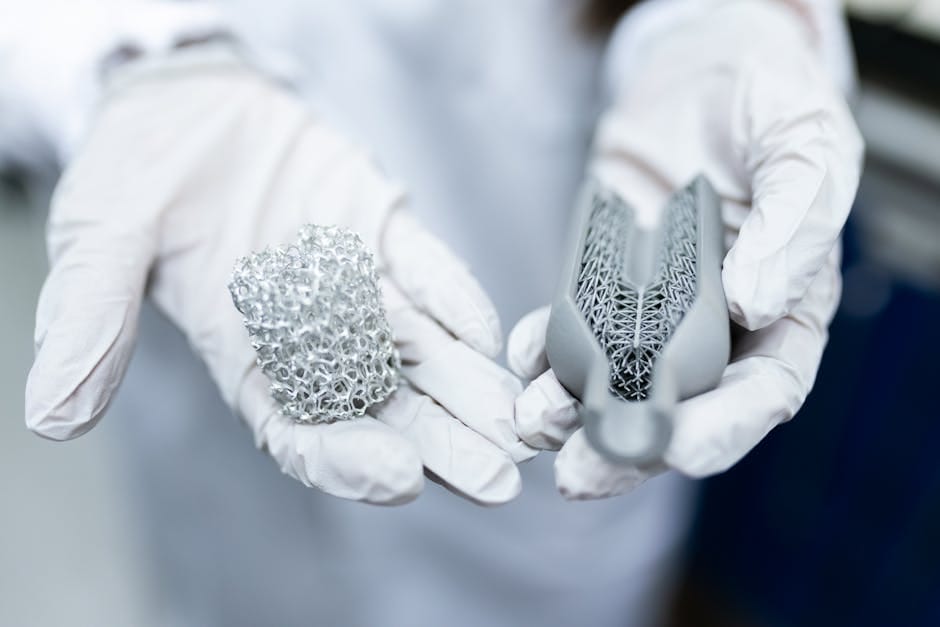
Solid state batteries are not difficult only because of the solid electrolyte itself. They are difficult because materials must touch each other cleanly, move ions efficiently, avoid harmful reactions, survive expansion and contraction, and keep working after many cycles.
NREL describes interface stability as critical for low-cost deployment in electric vehicles and grid applications. It also notes that mechanical effects such as stress, delamination, and pressure can affect performance and lifetime. In plain English: if the solid pieces do not stay in good contact, the battery suffers.
Why Manufacturing Is Still Hard
A battery breakthrough is not useful until it can be made repeatedly, safely, and affordably. Solid state cells may need thin, dense, defect-free electrolyte layers. Some designs require pressure, dry-room handling, high-temperature processing, or new manufacturing lines.
Argonne’s work on next-generation battery materials highlights that no one is yet mass producing solid-state batteries at a cost competitive with traditional lithium-ion at broad scale. That does not mean the technology is fake. It means the gap between a lab cell and a factory product is large.
Manufacturing also changes the meaning of a performance claim. A single small cell can look excellent because the best sample was selected, the testing environment was controlled, and the cell was not exposed to years of vibration, temperature changes, or fast-charge stress. A commercial EV pack has thousands of cells, sensors, busbars, cooling hardware, software controls, crash requirements, warranty expectations, and repair constraints. The pack must work as a system, not as a single impressive laboratory result.
That is why solid state battery news should be read in layers. First ask whether the chemistry works. Then ask whether it works in a pouch cell or only a tiny lab cell. Then ask whether it survives many cycles. Then ask whether it can be manufactured with high yield. Finally ask whether the cost per useful kilowatt-hour makes sense compared with lithium iron phosphate, nickel manganese cobalt, sodium-ion, and other chemistries already moving through factories.
How to Judge Product Readiness
The clearest signal is not a headline. It is repeated evidence across cell size, cycle life, safety testing, and manufacturing plans. A company that publishes only a high energy-density number is sharing one part of the story. A company that also gives cycle count, temperature range, charge rate, pressure requirement, failure mode, and pack-level assumptions is giving buyers a more useful picture.
For electric vehicles, pack-level performance matters because the battery must be protected from crashes, heat, cold, and charging abuse. If a solid state cell needs constant pressure to perform well, the pack may need additional hardware that adds weight and complexity. If the electrolyte is sensitive to moisture, the factory may need tighter environmental controls. If a chemistry uses scarce or expensive materials, production may scale slowly even when the science is strong.
For consumer electronics, the trade-off can be different. A phone, wearable, or medical sensor may justify a higher battery price if it enables a thinner design, better safety margin, or longer runtime. That is why early commercial adoption may appear first in smaller high-value products before the technology becomes common in mass-market EVs.
Where Solid State Batteries May Arrive First
Solid state batteries may not enter every market at the same time. Early commercial uses may appear where high value justifies higher cost:
- Premium electric vehicles.
- Medical devices that need reliability and compact energy.
- Aerospace or defense applications.
- Wearables or small electronics with strict form-factor needs.
- Specialty industrial equipment.
Grid storage may be a different story. For grid applications, cost, cycle life, safety, and supply chain often matter more than extreme energy density. A cheaper lithium iron phosphate battery may beat an expensive solid state battery even if the solid state cell is technically impressive.
What Solid State Batteries Will Not Automatically Fix
Solid state chemistry can reduce some hazards, but it does not remove every battery problem. A battery still stores a lot of energy in a small space. Pack design, cell balancing, battery management software, charging behavior, quality control, and thermal pathways still matter. Even a safer chemistry can fail if it is poorly manufactured, physically damaged, charged outside its limits, or placed in a weak product design.
Solid state batteries also do not remove supply-chain questions. Lithium metal, cathode materials, separators, current collectors, dry rooms, factory tooling, and recycling systems all have cost and sustainability implications. A realistic future may not be one chemistry replacing everything. It may be a mixed battery market where solid state cells serve high-performance roles, lithium iron phosphate covers affordable EV and stationary storage needs, and other chemistries fill specialized gaps.
For buyers, the practical advice is simple: do not delay a needed phone, laptop, power tool, or EV purchase only because solid state batteries are “coming soon.” The transition is likely to be gradual. Early products may be expensive and limited. Mature products will need years of warranty data before consumers can judge them confidently.
What to Watch Before Believing Big Claims
When a company announces a solid state battery breakthrough, check the details:
- Is the result from a coin cell, pouch cell, module, or full pack?
- How many cycles were tested?
- At what temperature and pressure?
- Was fast charging tested repeatedly or only once?
- Does the energy density refer to the cell or the full pack?
- Has an independent lab validated the claims?
- Is there a manufacturing plan, or only a materials result?
Those questions matter because battery announcements often mix real science with optimistic timelines.
Solid State Batteries and Safety
Solid state batteries may reduce some fire risks by removing flammable liquid electrolytes, but no battery is risk-free. Cells can still fail through manufacturing defects, mechanical damage, overcharging, thermal abuse, poor pack design, or control-system errors.
For broader lithium battery safety context, read lithium battery explosions.
Read Solid State Battery News by Readiness Level
Solid state battery news often moves faster than real products. A lab cell, a prototype pouch, a pilot line, and a mass-produced EV pack are not the same milestone. The practical question is not only whether the chemistry works, but whether it can be made consistently, safely, and affordably at scale.
- Lab result: promising, but usually tested under narrow conditions.
- Prototype: useful for learning, but not proof of long-term durability.
- Pilot production: shows manufacturing progress, though cost and yield may still be unclear.
- Consumer product: only then do warranty, charging behavior, repair, and recycling questions become visible.
This is educational battery technology context, not repair, investment, or purchasing advice. Solid state batteries may reduce some risks, but they do not make battery handling, charging, quality control, or disposal irrelevant.
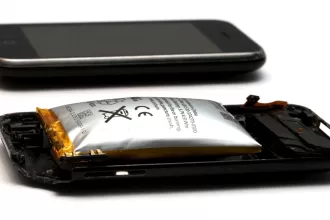
- For the current consumer safety problem, compare future battery promises with laptop battery swelling.
- For the broader failure chain, review lithium-ion battery explosion risks.
Source note: for a broad official baseline on battery research areas and vehicle battery development, the U.S. Department of Energy’s battery technology overview is a useful reference.
Bottom Line
Solid state batteries could power the future because they may offer higher energy density, better safety, and new design flexibility. The strongest promise is in EV range, compact devices, and high-value applications where performance justifies cost.
The technology is not a magic switch that instantly replaces lithium-ion. The hard work is in interfaces, dendrite control, cycle life, pressure management, manufacturing yield, and cost. Solid state batteries are worth watching because the promise is real, but the timeline should be judged by tested cells and scalable production, not headlines.
Battery Materials Beyond the Headline
Battery breakthroughs often mention advanced materials, but the real question is whether they improve safety, cycle life, cost, and manufacturing at the same time. For a wider materials example, compare this with what graphene is and the limits of graphene coating claims.
Why This Matters for Battery Safety
Solid-state batteries are often discussed as a safer future option, but today’s everyday devices still need careful lithium-ion handling. If you are dealing with a real swollen device now, start with practical guides on phone battery swelling or power bank swelling instead of treating future battery chemistry as a current fix.