






Graphene is a single layer of carbon atoms arranged in a honeycomb pattern. It is only one atom thick, yet it can be strong, flexible, lightweight, and highly conductive. That combination is why graphene is discussed in electronics, coatings, energy storage, sensors, composites, water filtration, and biomedical research.
Graphene is not a magic material that instantly replaces steel, silicon, plastic, batteries, and membranes. The real story is more useful: graphene can improve specific products when it is produced consistently, dispersed correctly, and matched to the right application.
What Is Graphene?
Graphene is a two-dimensional form of carbon. The Nobel Prize in Physics 2010 recognized Andre Geim and Konstantin Novoselov for groundbreaking experiments on graphene, helping launch a major wave of research into one-atom-thick materials.
The Graphene Flagship describes graphene as a material with exceptional electrical, thermal, mechanical, and optical properties. Those properties are real, but commercial performance depends on the quality of the graphene, the manufacturing method, and how it is combined with other materials.

Why Graphene Is Hard to Commercialize
Graphene sounds simple: one layer of carbon atoms. In practice, producing it at scale is difficult. Researchers and companies must control layer count, defects, flake size, purity, dispersion, surface chemistry, and cost.
This is why you should be careful with claims that say a product is “graphene” without explaining what that means. Graphene oxide, reduced graphene oxide, few-layer graphene, graphene nanoplatelets, and high-quality monolayer graphene can behave differently. The label alone is not enough.
| Claim | Better question |
|---|---|
| Graphene is stronger than steel | In what form, at what scale, and inside which composite? |
| Graphene batteries charge instantly | Is it a lab result, a hybrid additive, or a commercial product? |
| Graphene filters desalinate water | What membrane design, fouling resistance, cost, and durability? |
| Graphene electronics will replace silicon | Which device type, and does the material have the needed bandgap? |
1. Stronger Lightweight Composites
Graphene-related materials can strengthen polymers, coatings, concrete, and composite materials when they are dispersed properly. Even small additive amounts can sometimes improve mechanical behavior, corrosion resistance, or wear performance.
The challenge is consistency. If graphene clumps inside a material, it may not improve performance and can even weaken the product. Good composite design matters more than marketing the word “graphene.”
2. Coatings and Surface Protection
Graphene coatings are one of the areas consumers already see. Automotive detailing products, anti-corrosion coatings, and protective surface treatments may use graphene-related additives to improve hydrophobic behavior, durability, or chemical resistance.
Performance depends on the full formulation. A coating is not better only because the label says graphene. Cure time, surface preparation, resin chemistry, thickness, and maintenance all affect results. For a related consumer example, see our guide to graphene coating technologies.
3. Energy Storage

Graphene is studied for batteries and supercapacitors because it can conduct electricity well and provide high surface area. It may help improve electrodes, thermal management, charge rates, or cycle life in certain designs.
But “graphene battery” is often used too loosely. Most near-term products are likely to be hybrid systems where graphene-related materials improve a conventional chemistry rather than completely replace it. Safety, cost, manufacturing, and real-world cycle life still matter.
4. Electronics and Sensors
Graphene’s high conductivity and sensitivity make it attractive for sensors. A small change in gas, strain, light, or biomolecules can alter electrical behavior, which is useful for detection systems.
For digital logic, graphene faces a known challenge: pristine graphene does not naturally have the bandgap needed for standard transistor switching like silicon. That does not make it useless. It means graphene may be better suited to sensors, radio-frequency electronics, transparent conductors, flexible devices, or hybrid systems than simple “silicon replacement” headlines suggest.
5. Biomedical Devices

Graphene-related materials are being researched for biosensors, drug delivery, neural interfaces, tissue engineering, and diagnostic devices. The appeal is sensitivity, conductivity, thinness, and tunable surface chemistry.
Health-related uses require a higher evidence standard. A graphene material that works in a lab sensor does not automatically become safe inside the human body. Toxicology, dose, purity, immune response, degradation, and long-term exposure all need rigorous testing.
6. Water Filtration and Desalination
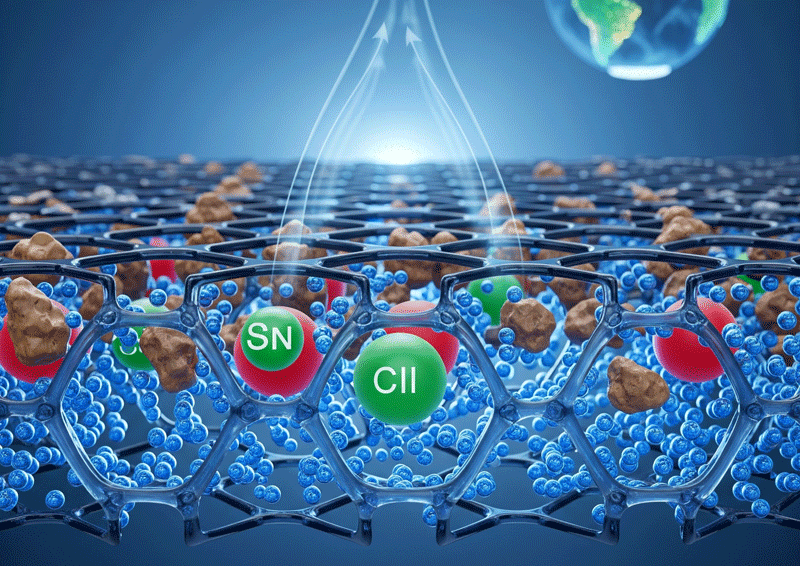
Graphene oxide membranes and related materials have been studied for water filtration because their layered structures can separate molecules and ions under certain conditions. In theory, thin membranes could reduce energy use in some separation processes.
The practical issues are durability, fouling, salt rejection, scaling, manufacturing cost, and performance in real water rather than ideal lab samples. Graphene filtration is promising, but not a universal fix for water scarcity.
7. Thermal Management
Graphene can conduct heat well, which makes it interesting for thermal spreaders, electronics cooling, LEDs, batteries, and high-performance devices. In consumer electronics, heat management is often the limit that determines sustained performance.
Again, the form matters. A film, flake additive, coating, and composite layer will not all perform the same way. The best applications are those where graphene’s thermal properties can be integrated into manufacturable designs.
Separate Lab Promise From Everyday Use
Graphene sounds simple because it is often described as one amazing material. In practice, the form matters: sheets, flakes, coatings, composites, inks, membranes, and additives can behave very differently once they leave a lab setting.
- Ask what form is used: a product with graphene flakes is not the same as a perfect single layer.
- Check the benefit: stronger, lighter, more conductive, more protective, or more heat resistant are different claims.
- Look for trade-offs: cost, manufacturing scale, bonding, repeatability, and repairability can limit adoption.
- Watch safety language: biomedical, filtration, and protective claims need stronger evidence than gadget marketing.
This is educational materials science context, not engineering, product safety, medical, or purchasing advice.
Bottom Line
Graphene could shape future technology because it combines unusual strength, conductivity, flexibility, thinness, and surface behavior. The most realistic near-term uses are coatings, composites, sensors, thermal materials, and additives in energy systems.
The honest view is balanced: graphene is scientifically important and commercially useful in some areas, but it is not magic. The winning applications will be the ones where graphene’s properties solve a specific problem better than cheaper existing materials.
Sources: Nobel Prize graphene press release; Graphene Flagship graphene overview; Nature review on graphene applications.
Graphene Claims Need Context
Graphene is remarkable, but not every product that mentions graphene uses it in the same way. A lab result, a coating additive, a composite material, and a battery research project can all involve graphene while having very different performance limits.
For a practical surface-protection angle, compare this article with graphene coating benefits and limits. For the wider materials story, element engineering explains why future technology often depends on controlling materials at smaller scales. Graphene also connects loosely to battery research, where solid-state batteries show how promising materials still need manufacturing and safety proof.
Practical note: treat graphene marketing carefully. Useful claims should explain the material form, amount, test method, surface, durability, and real-world use case.
Where Graphene Fits in Advanced Materials
Graphene is useful to understand as a material platform, not a magic ingredient that improves every product by default. Its promise depends on manufacturing quality, layer control, cost, durability, and whether the application actually benefits from its strength, conductivity, surface area, or thinness. That is why practical examples should be separated from broad future-tech claims.
For consumer-facing use, graphene coating is a good place to examine benefits and limits. For a wider materials lens, element engineering and advanced materials explains why changing composition, structure, and isotopes can matter. Graphene also overlaps with future chip technology, but only when fabrication and integration problems are solved.