




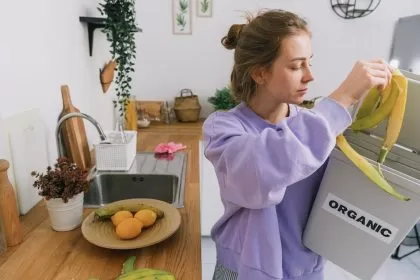
Indoor composting lets you turn kitchen scraps into a useful soil amendment without needing a backyard. It works in apartments, small homes, laundry rooms, balconies, and under-sink spaces if you choose the right method and manage moisture, air, and food scraps correctly.
The cleanest indoor systems are not random bins of food waste. They are managed systems. Vermicomposting uses worms, Bokashi uses fermentation, and electric food-scrap processors reduce scraps before they are added to soil or a composting program. Each option has different rules, strengths, and limits.
Why Indoor Composting Is Worth Doing
Food scraps and yard materials can become a resource instead of trash. The EPA describes composting as managed aerobic decomposition: microorganisms break down organic materials using carbon, nitrogen, water, and oxygen, creating a soil amendment that can support plant growth and soil health.
At home, indoor composting can help you:
- reduce kitchen trash and food waste odor
- create material for houseplants, balcony planters, or garden beds
- learn exactly how much food waste your household produces
- keep food scraps out of normal trash between collection days
- support broader home sustainability habits
If your home sustainability goals go beyond food scraps, pair composting with simple changes such as water conservation at home or better kitchen storage habits that reduce spoilage before food becomes waste.
Choose the Right Indoor Composting Method
The best indoor composting method depends on your space, what scraps you produce, and what you plan to do with the finished material.
| Method | Best for | What to know before starting |
|---|---|---|
| Vermicomposting | Apartment dwellers, plant owners, and people who want finished worm castings | Uses red wiggler worms; avoid overfeeding and keep bedding moist, not wet |
| Bokashi | Small kitchens, sealed buckets, and households with more varied cooked scraps | Ferments scraps with inoculated bran; the output usually needs burial, soil finishing, or pickup |
| Electric food-scrap processor | People who want fast volume reduction and low odor | Usually dries and grinds scraps; EPA notes these appliances do not produce finished compost by themselves |
| Community compost drop-off | People without plants, soil access, or time for a home system | Collect scraps indoors, then drop them at a municipal or community program |
Vermicomposting: Best for Finished Indoor Compost
Vermicomposting uses composting worms, commonly red wigglers, to turn food scraps and bedding into worm castings. It is one of the most practical indoor options if you want finished material for plants.
A simple worm bin needs bedding, air holes, moisture, worms, and food scraps in reasonable amounts. Shredded cardboard, uncolored paper, coconut coir, and dry leaves can work as bedding. The bin should feel like a wrung-out sponge: damp enough for worms, but not soggy.
Good worm-bin foods include fruit and vegetable scraps, coffee grounds, paper filters, crushed eggshells, and plain plant-based kitchen scraps. Avoid meat, dairy, greasy foods, pet waste, large amounts of citrus, onion-heavy scraps, and anything moldy or salty enough to disturb the bin.
The biggest beginner mistake is overfeeding. Add small amounts, bury scraps under bedding, and wait until the worms are keeping up before adding more. If food sits exposed, odors and fruit flies become more likely.
Bokashi: Best for Sealed Kitchen Scrap Fermentation
Bokashi is different from ordinary composting because it ferments food scraps in an airtight bucket using inoculated bran. It can be useful for small homes because the bucket stays sealed, and the process can handle some scraps that worm bins should not receive.
The trade-off is that Bokashi output is not finished compost when it leaves the bucket. It is fermented pre-compost. It usually needs to be buried in soil, added to a larger compost system, or sent to a composting program that accepts it.
To avoid odor, press scraps down to remove air pockets, sprinkle enough Bokashi bran, keep the lid sealed, and drain liquid from the spigot if your bucket has one. A sour fermented smell is normal. A rotten trash smell usually means too much air, too much liquid, or an unsealed system.
Electric Composters: Useful, But Know the Limit
Countertop electric “composters” are popular because they reduce volume quickly and can be easier for people who do not want worms or fermentation buckets. Most use heat, grinding, and drying to turn food scraps into a dry material.
The important E-E-A-T point is that this output is usually not finished compost. EPA describes residential pre-processing appliances as systems that reduce the volume and weight of food scraps, but do not produce compost by themselves. The dried material should still be added to soil, a compost pile, or a collection program where it can finish breaking down.
Electric units can still be worth it if your main goals are odor control, volume reduction, and convenience. Just compare electricity use, filter cost, capacity, noise, and what your local compost program accepts before buying.
What You Can Compost Indoors
Your acceptable scrap list depends on the method, but these are generally good starting materials for worm bins and many home compost systems:
- fruit and vegetable scraps
- coffee grounds and paper filters
- plain tea bags without staples or plastic mesh
- crushed eggshells
- shredded cardboard and non-glossy paper
- dry leaves, if available
- small amounts of stale bread or grains, depending on the method
Chop larger scraps before adding them. Smaller pieces break down faster and are easier for worms and microbes to handle.
What to Avoid in Indoor Compost
Indoor systems are less forgiving than outdoor piles. Avoid materials that create odors, attract pests, harm worms, or introduce contamination.
- meat, fish, bones, and seafood scraps in worm bins
- dairy, fats, oils, and greasy cooked food in worm bins
- pet waste and cat litter
- glossy paper, produce stickers, plastic, foil, and coated packaging
- treated or painted wood
- large amounts of citrus, onion, garlic, or spicy foods for worms
- diseased plant material if you plan to use compost on houseplants or edible plants
Bokashi may accept a broader range of scraps depending on the system instructions, but that does not mean the finished handling step disappears. Always follow the bin manufacturer’s rules and your local composting program’s rules.
How to Prevent Smell, Fruit Flies, and Mess
Odor is a signal. A healthy worm bin should smell earthy. A Bokashi bucket should smell sour or fermented, not rotten. If your indoor compost smells like garbage, something is out of balance.
Use these fixes:
- Too wet: add dry shredded cardboard, paper, or leaves.
- Food exposed: bury scraps under bedding or cover them with browns.
- Fruit flies: freeze scraps before adding, bury food deeper, and avoid exposed fruit.
- Slow breakdown: chop scraps smaller and add food gradually.
- Rotten smell: reduce feeding, add browns, improve airflow for worm bins, or reseal Bokashi buckets.
- Escaping worms: check moisture, acidity, temperature, and overfeeding.
Most problems are not failures. They are maintenance signals. Adjust one variable at a time so you can see what fixed the issue.
A Simple Setup for Beginners
If you are new, start with the smallest system that fits your household. A single person or couple may not need a large bin. Smaller systems are easier to learn and less risky if you make a feeding mistake.
For a beginner worm bin:
- Choose a ventilated bin with a lid.
- Add moist bedding such as shredded cardboard or coir.
- Add composting worms from a reliable source.
- Feed a small amount of chopped scraps once the worms settle.
- Cover food with bedding every time.
- Keep the bin away from extreme heat, direct sun, and freezing areas.
- Harvest castings after the system is established and food is breaking down steadily.
For Bokashi, buy or build an airtight bucket, use the right bran, drain liquid as directed, and plan where the fermented scraps will finish before the bucket is full.
What If You Do Not Have Plants?
You can still compost indoors if you do not have plants. Use a small collection container and bring scraps to a community compost site, municipal food-waste program, farmers market collection point, or a friend with a garden.
If you use an electric processor, make sure the destination accepts dried processed food scraps. Some programs want raw scraps; others accept dried material. Local rules matter.
Choose the Indoor Method by Your Constraint
Indoor composting gets easier when the method matches the real constraint. A person who hates smells needs a different setup from someone who has no plants, no balcony, no time to manage worms, or no place to store finished material.
- Least smell: bokashi can work well if you can handle the fermented scraps afterward.
- Finished compost: vermicomposting is better when you can maintain moisture, food balance, and bedding.
- Lowest effort: a pickup service or freezer scrap bin may beat a gadget you will not maintain.
- Smallest space: start with a sealed container and a strict accepted-scraps list before buying a larger system.
This is general household guidance, not local waste-rule advice. Apartment rules, pest concerns, and municipal compost options can change the best choice.
- If most scraps come from cooking, connect the habit with zero waste kitchen habits.
- If composting is part of a wider routine, fold it into sustainable everyday habits.
- If smell or cleaning is the worry, pair the setup with safer DIY cleaning products.
Bottom Line
Indoor composting works when you choose the right method and manage the basics: food type, moisture, air, carbon-rich bedding, temperature, and follow-through. Vermicomposting is best for finished worm castings, Bokashi is good for sealed fermentation, and electric processors are convenient pre-processing tools rather than complete composting systems.
Start small, avoid problem foods, cover scraps, monitor moisture, and decide where the finished or pre-processed material will go. Done correctly, indoor composting is clean, useful, and realistic even in a small apartment.
Source: EPA composting at home guidance.
Indoor Composting Details That Prevent Most Problems
Most indoor composting problems come from imbalance. Too much wet food waste creates odor and fruit flies; too little dry material slows the process. Add scraps in small amounts, cover them with dry browns, and keep the bin damp rather than soggy.
For apartments, choose the easiest system to maintain: a sealed collector, worm bin, bokashi bucket, or small aerobic bin. Avoid oily food, meat, dairy, and large wet chunks unless your setup is designed for them.