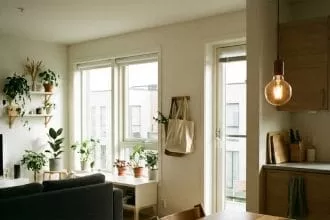





Compact home organization is about making a small space work without forcing it to look empty. A compact home still needs clothes, kitchen tools, papers, cables, cleaning supplies, hobbies, and daily life. The goal is not minimalism for display. The goal is a home that is easier to use.
Small homes become frustrating when every item has to be moved before you can do something simple. Good organization reduces that friction. It gives frequently used items clear homes, removes duplicate clutter, and uses vertical, hidden, and multi-purpose space wisely.
This guide gives practical compact home organization hacks for apartments, small rooms, studios, shared homes, and anyone trying to make limited space feel calmer.
Start With Use, Not Storage Products
The first mistake is buying bins before understanding the problem. Storage products can hide clutter, but they can also create organized clutter. Before buying anything, ask what the space needs to do. Sleep, cook, work, dress, relax, study, exercise, store documents, or host guests?
Once the function is clear, remove items that do not support it. A tiny desk should not store kitchen overflow. A bedroom chair should not become a permanent laundry pile. A hallway should not hold items that belong in a closet, car, donation bag, or trash.
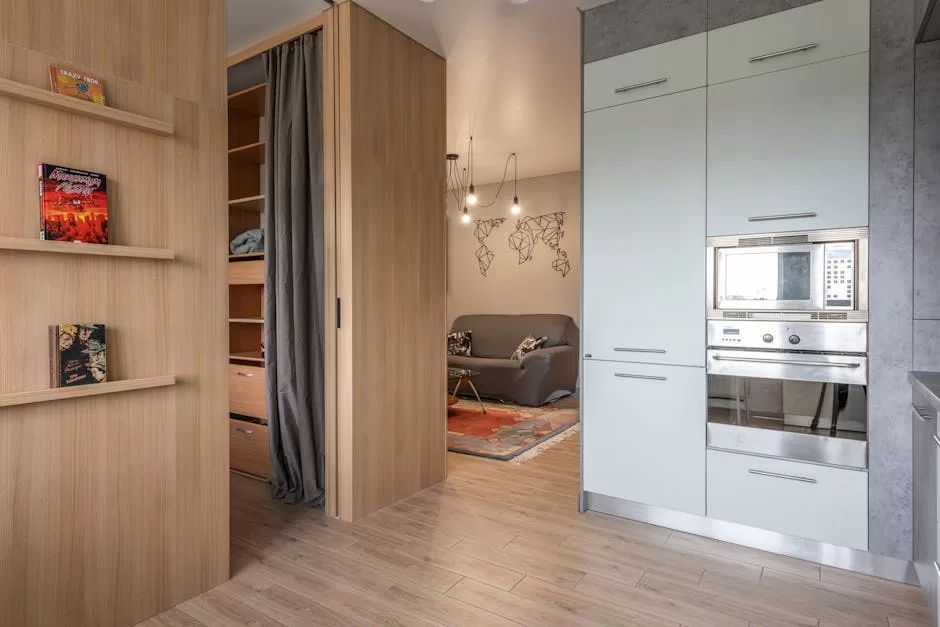
Create Zones in Small Spaces
Even a studio apartment needs zones. A zone can be as simple as one shelf, drawer, corner, or basket. Create a work zone, food prep zone, entry zone, sleep zone, cleaning zone, and paperwork zone. When zones are clear, items are easier to return.
Zones also reduce decision fatigue. Keys go in the entry zone. Chargers go in the tech zone. Cleaning sprays go in the cleaning zone. The less your brain has to search, the calmer the home feels.
Use Vertical Space
Walls are often underused in compact homes. Add shelves, hooks, pegboards, wall-mounted rails, over-door racks, or tall bookcases where appropriate. Vertical storage is especially helpful for kitchens, closets, entryways, and desks.
Keep heavy items low and light items high. Use open shelves for things you use often and closed containers for items that look visually messy. Vertical space works best when it makes access easier, not when it creates piles above eye level that you never touch.
Choose Furniture With a Job
In a small home, furniture should earn its footprint. A bed with drawers, an ottoman with storage, a fold-down desk, a nesting table, a slim entry bench, or a sofa with hidden storage can reduce clutter without adding extra furniture.
Avoid multi-purpose furniture that is annoying to use. If converting a desk takes 15 minutes, you will stop converting it. The best compact furniture is simple, sturdy, and fast to reset.
Control the Entryway
The entryway is small, but it decides whether clutter spreads. Add a hook for keys, a tray for wallet and sunglasses, a spot for shoes, and a place for bags. If mail enters here, create a quick sort: keep, action, recycle.
Do not let the entryway become a storage graveyard. Items that wait there too long need a real destination. If something is always parked by the door, either create a proper home for it or admit that it does not belong in the house.
Make Closets Work Harder
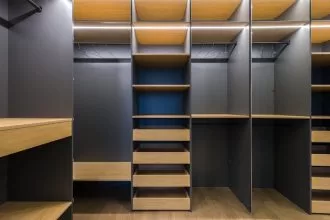
Closets fail when they store everything at the same level. Use shelf risers, hanging organizers, slim hangers, drawer dividers, and labeled boxes. Store seasonal or rare items higher. Keep daily clothes and tools at easy reach.
For clothing, group by type and frequency. If you wear the same 20% of clothes most of the time, those items should be easiest to reach. A compact closet should support real habits, not ideal habits.
Use the One-In, One-Decision Rule
One-in, one-out can feel too strict. A softer version is one-in, one-decision. When something new enters, decide where it lives immediately. If there is no place for it, choose whether to remove, donate, recycle, or reorganize something else.
This prevents the slow spread of “temporary” piles. In small spaces, temporary piles become furniture.
Compact Kitchen Organization
| Problem | Compact fix | Why it helps |
|---|---|---|
| Too many duplicate tools | Keep the best one and donate extras | Frees drawers quickly |
| Deep cabinets | Use pull-out bins or turntables | Stops items disappearing in the back |
| Small counter | Wall rail or magnetic strip | Keeps daily tools accessible |
| Messy pantry | Group breakfast, snacks, cooking, backup | Makes shopping and cooking easier |
Declutter by Category, Not by Room
Small homes hide duplicates in different rooms. You may have scissors in the kitchen, desk, bedroom, and junk drawer. You may have chargers everywhere. Category decluttering shows the real amount.
Pick one category: cables, mugs, notebooks, cleaning supplies, bags, shoes, toiletries, or papers. Gather them, choose what you use, and give the survivors one clear home.
Build Reset Habits
A compact home needs short resets because clutter becomes visible quickly. Use a 10-minute evening reset: dishes to sink, clothes to hamper, surfaces cleared, trash removed, and daily items returned. Do not aim for perfection. Aim for ready-to-use.
This connects well with habit stacking. Attach the reset to something you already do, such as after dinner or before brushing teeth.
Room-by-Room Compact Fixes
For the bedroom, keep the floor clear first. Under-bed storage can help, but only for categories you rarely need, such as seasonal bedding or off-season clothes. For the living area, use one tray or basket for items that move around during the day. For the bathroom, reduce backups and keep daily products visible.
For a small kitchen, the best fix is usually removing duplicates. Keep the pan, knife, mug, or container you actually use. In a compact workspace, hide visual noise. Use a single cable box, a document tray, and one notebook instead of many half-used systems.
Stop Storing Aspirational Items
Small homes are often filled with items for a life we imagine: equipment for hobbies we do not practice, clothes for a version of ourselves that no longer fits, kitchen tools for meals we never cook, or books we feel guilty about not reading.
Keep what supports your real life now. If an item represents a genuine future plan, give it a deadline and a clear place. If it only creates guilt, it is not serving the home.
Use Visual Calm Strategically
Compact homes can feel crowded even when they are organized. Reduce visual noise where your eyes rest most: bedside table, desk, kitchen counter, and entryway. You do not need every shelf to be empty. You need a few clear surfaces that make the room feel calmer.
Closed storage is helpful for visually busy categories such as cables, medicine, paperwork, cleaning supplies, and small tools. Open storage works better for attractive or frequently used items.
Make Storage Easy to Return
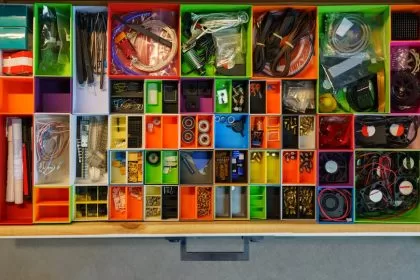
Compact organization fails when putting things away is harder than taking them out. Use containers that open quickly, drawers that are not overfilled, and shelves that do not require moving five items to reach one. If a system is annoying, clutter will return.
A good small-space rule is simple: daily items should take one move to access and one move to return.
Compact Organization Works Better With Clear Limits
Small homes do not need endless containers. They need clear limits, visible homes for daily items, and fewer objects competing for the same storage space. The best system is the one you can reset on a normal busy day.
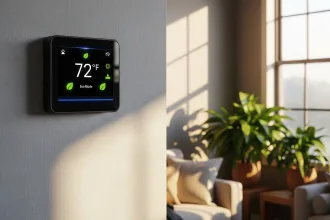
For clothing storage, read minimalist closet organization. For smart devices that reduce friction without adding clutter, see smart home gadgets. For repair and reuse ideas, compare with eco-conscious upcycling.
Measure the Mess Before Buying Storage
Compact home organization gets expensive when storage products arrive before the real problem is clear. Before buying anything, watch one trouble spot for a week: what lands there, when it appears, who uses it, and why it is hard to put back. That short audit usually shows whether the fix is a hook, a basket, a better home for one category, or simply fewer items.
- If the reset habit keeps failing, shrink it into one of the sustainable habits you can repeat without a weekend project.
The best small-space system should pass a return test: can you put the item back with one hand, in less than ten seconds, without moving three other things? If not, the system may look organized only on cleaning day. Choose fewer, clearer homes for everyday objects and leave display shelves for items you actually enjoy seeing.
Safety note: this is general home organization guidance, not professional renovation or childproofing advice. If a compact-space fix involves tall furniture, wall-mounted shelves, heavy storage, or a room used by children, follow the product instructions and consider anti-tip hardware. The U.S. Consumer Product Safety Commission’s Anchor It guidance is a useful baseline for furniture tip-over risk.
Bottom Line
Smart compact home organization makes a small space easier to use. Start with function, create zones, use vertical space, choose furniture with a job, control the entryway, improve closets, and build quick reset habits.
The best small home system is not the one with the most bins. It is the one where daily life takes fewer moves.
Space Optimization That Keeps a Compact Home Usable
Compact home organization works best when each area has a clear job. Use the easiest storage for daily objects, and move rare backups higher, lower, or farther away.
Vertical storage helps only when it stays accessible. A small home also needs empty space: one landing area, one clear work surface, and one easy reset routine often matter more than another storage product.