




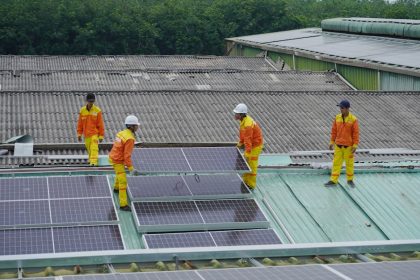
Smart home renewable energy choices combine clean power with controls that help the home use that power better. Rooftop solar, batteries, smart panels, EV chargers, thermostats, and energy monitors can work together, but only when they are chosen around real household loads.
This article focuses on the smart-control layer: how to coordinate solar, storage, charging, backup circuits, and flexible loads. For the broader renewable options, see green home energy.
What Makes Renewable Energy “Smart” at Home?
A basic solar system generates electricity. A smarter system also helps decide when to use, store, export, or shift energy. That matters when utility rates change by time of day, when backup circuits need priority, or when an EV charger could overload a panel if it runs at the wrong time.
Smart does not always mean complicated. It can mean a thermostat schedule, a battery backup panel, a load controller, or an app that shows when the home is importing power from the grid.
The Main Smart Renewable Components
| Component | What it does | Best reason to use it |
|---|---|---|
| Solar inverter app | Shows production and basic system health. | Confirm the system is producing as expected. |
| Home battery | Stores solar or grid power for later use. | Backup power, time-of-use savings, or self-consumption. |
| Smart panel or load controller | Prioritizes circuits and can shed loads. | Keep critical loads running during outages. |
| Smart EV charger | Schedules charging and may adjust to solar or rate periods. | Avoid peak pricing and manage large electrical loads. |
| Energy monitor | Tracks whole-home or circuit-level use. | Find hidden loads before sizing solar or storage. |
Size the System Around Critical Loads
DOE’s renewable energy planning guidance recommends understanding electricity loads and local requirements before installing a system. This matters even more when batteries and smart controls are involved.
Do not start by asking for “whole-home backup” unless you know what that means. List critical loads first: refrigerator, medical equipment, internet, lights, heating controls, garage door, or a well pump. Air conditioning, electric heat, oven, dryer, and EV charging may need a larger and more expensive setup.

Use Smart Controls for Timing
Timing is where smart renewable systems can pay off. If your utility has time-of-use pricing, a battery or EV charger may shift energy use away from expensive hours. If your solar export rate is low, using more solar at home may be better than sending it to the grid.
Useful automations include:
- Charge the EV after solar production peaks or during lower-rate hours.
- Run dishwashers or laundry outside peak pricing windows.
- Reserve battery capacity before storms or planned outages.
- Reduce HVAC load during peak periods without sacrificing comfort.
- Turn off nonessential circuits during battery backup mode.
Make Sure the Devices Can Talk
Compatibility matters. A solar inverter, battery, smart panel, thermostat, and EV charger may all have separate apps. Before buying, ask whether the system supports the control you actually want. Some combinations are tightly integrated; others only provide monitoring.
Also ask what happens if the internet is down. Backup power controls should not depend entirely on a cloud dashboard. The home should fail safely, especially when refrigeration, heating controls, medical devices, or sump pumps are involved.
Solar Plus Battery Is Not Always the First Upgrade
A battery can be useful, but it is expensive. If your main goal is lower bills, efficiency and load shifting may produce better returns first. If your main goal is resilience, a smaller critical-load battery may be smarter than an oversized whole-home system.
For many homes, the best order is: reduce demand, understand usage, evaluate solar, then decide whether storage adds enough value. Buying storage before understanding loads can lead to disappointment during outages.
Questions to Ask Installers
Smart renewable systems involve electrical work, software, warranties, and utility rules. Ask specific questions before signing:
- Which circuits will run during an outage, and for how long under realistic use?
- Can the system reserve battery capacity before a storm?
- Does the EV charger coordinate with solar production or only follow a timer?
- What happens if internet service is down?
- Which app controls the battery, inverter, charger, and smart panel?
- Can the system be expanded later?
- Who supports software issues after installation?
Match Controls to Utility Rates
Smart controls are most valuable when they match your utility structure. Time-of-use pricing, demand charges, low export credits, and outage programs can all change the best settings. A battery that makes sense under one rate plan may be less valuable under another.
Ask the installer to model savings under your actual rate plan, not a generic example. If your utility changes rates often, prioritize flexible controls that can be updated later.
Privacy, Cybersecurity, and Updates
Smart energy devices can reveal home occupancy, charging habits, and daily routines. Use strong account passwords, multi-factor authentication where available, firmware updates, and careful sharing permissions. A renewable energy system is part of the home infrastructure, not just another gadget.
For smart efficiency basics, read smart home energy savings.
Decide Whether You Need Backup, Savings, or Cleaner Supply
Home renewable energy choices get confusing when every goal is mixed together. Backup power, lower bills, lower emissions, and more control over usage are related, but they do not always point to the same system.
- Backup: define the critical loads first, then size batteries or circuits around them.
- Savings: compare utility rates, time-of-use pricing, incentives, and maintenance costs.
- Cleaner supply: check whether rooftop solar, community solar, or a green power plan is the most practical option.
- Control: make sure devices, apps, inverters, and meters can actually communicate reliably.
This is educational home-energy guidance, not contractor, electrical, tax, legal, or financial advice. Local codes, incentives, and utility rules can change the best choice.
- If heating and cooling are central, check the smart thermostat economics first.
- For connected controls, protect the setup with smart home privacy.
Bottom Line
Smart home renewable energy choices are about coordination. Solar, batteries, smart panels, EV chargers, and monitors are most useful when they manage real loads, rate windows, and backup priorities.
Choose the control system after you understand your energy use, not before. The smartest renewable setup is the one that fits your home during normal days and outage days.
Renewable Energy Choices Need the Right Baseline
Solar panels, batteries, smart controls, and green power programs make more sense after the home has a realistic baseline. That means checking demand, peak use, utility rates, roof or rental limits, and whether smart energy savings can reduce the size or cost of the system. The broader green home energy guide explains why upgrade order matters.
Renewable choices also touch water and materials. A home project may involve wiring, mounting, storage, maintenance, and eventual replacement. When possible, connect energy decisions with durable components, repairable systems, and practical sustainable material choices.
A Simple Decision Tree For Home Renewable Energy
Home renewable energy should start with constraints, not with product excitement. First, check whether the home is owned or rented. Then look at roof condition, shading, local rules, utility pricing, outage needs, and whether energy use is already reasonably efficient. Solar panels, batteries, and smart controls can be useful, but they are not the same decision.
If the roof is old, a solar plan may need to wait. If outages are rare, a large battery may not justify the cost. If bills are high because heating and cooling run inefficiently, smart home energy controls or insulation habits may produce clearer value before adding generation.
Match The Tool To The Goal
| Goal | Better starting point | Watch out for |
|---|---|---|
| Lower daytime grid use | Solar panels if roof and rules fit. | Shade, roof age, and unrealistic payback claims. |
| Backup during outages | Battery or generator-style backup plan. | Battery size, critical loads, and installation rules. |
| Use energy at better times | Smart controls and scheduling. | Comfort overrides and confusing automation. |
| Smaller footprint on a budget | Efficiency first, then targeted upgrades. | Buying hardware before reducing waste. |
This article should be read as the power-source guide. For a wider home sustainability path, see green home energy and eco-friendly materials.
How This Solar Guide Is Different
This home solar and backup power guide is about generation and resilience: roof fit, solar panels, batteries, critical loads, outage needs, installer questions, and whether the home is ready for a larger energy project. It should not be read as a basic smart-plug or thermostat article.
For lower-effort efficiency and automation, use the smart energy controls guide.