





Quantum computing could transform AI and data security, but not in the simple “everything becomes instantly faster” way it is often described. Quantum computers are different from ordinary computers because they use quantum states to process certain kinds of problems in new ways.
The important word is “certain.” Quantum computing is not a replacement for laptops, GPUs, cloud servers, or AI chips. It is a specialized approach that may help with simulation, optimization, cryptography, materials, and some machine learning research if the hardware becomes reliable enough.
This guide explains how quantum computing may affect AI, data security, and future technology without treating early-stage progress as finished reality.
What Makes Quantum Computing Different?
Classical computers store information as bits, usually represented as 0 or 1. Quantum computers use qubits, which can represent quantum states that are more complex than ordinary bits. Ideas such as superposition, interference, and entanglement allow quantum algorithms to approach some problems differently.
This does not mean a quantum computer can solve every problem faster. It means some problems may have quantum algorithms that scale better than classical approaches. The challenge is that qubits are fragile. Noise, errors, cooling, control systems, and error correction remain major obstacles.
How Quantum Computing Could Help AI
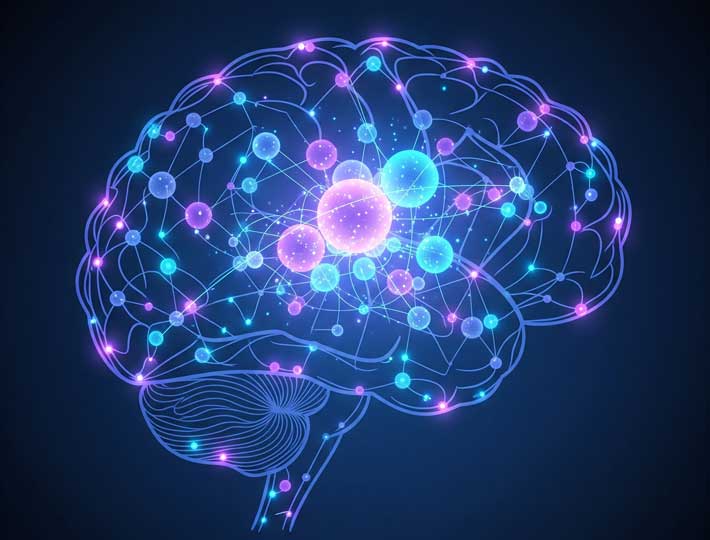
AI uses huge amounts of math, data, optimization, and probability. Some researchers are exploring whether quantum systems can improve parts of machine learning, such as optimization, sampling, linear algebra, or training support. This area is called quantum machine learning.
The realistic view is cautious. Today’s AI progress is mostly driven by GPUs, TPUs, NPUs, memory bandwidth, data, and software. Quantum computing is not about replacing those systems soon. It may become useful for special AI-related tasks, especially where quantum models can represent complex systems more naturally.
Quantum Simulation May Be the Stronger Use Case
One of the most convincing quantum use cases is simulation of quantum systems. Chemistry, materials, batteries, catalysts, superconductors, and molecular interactions are difficult for classical computers because nature itself behaves quantum mechanically.
If quantum computers mature, they may help researchers design better materials, drugs, catalysts, and energy technologies. This could indirectly support AI by producing better data, better models, or better hardware materials. For example, improved batteries and semiconductors could affect the physical systems that power AI infrastructure.
Data Security: The Biggest Near-Term Concern
Quantum computing matters for security because a sufficiently powerful future quantum computer could break some public-key cryptography used today. This does not mean ordinary passwords all fail tomorrow. It means long-term systems that depend on vulnerable encryption need a migration path.
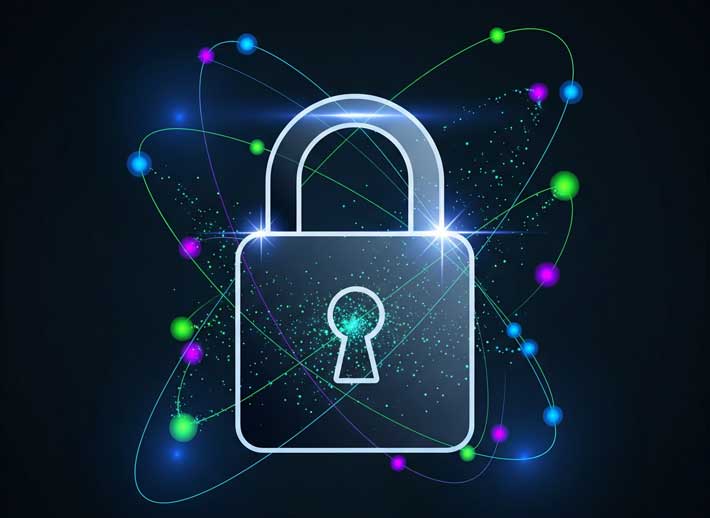
NIST explains post-quantum cryptography as encryption designed to resist attacks from both classical and future quantum computers. This is why banks, governments, cloud providers, and software vendors are already planning migration even before large cryptographically relevant quantum computers exist.
Harvest Now, Decrypt Later
One security risk is called “harvest now, decrypt later.” Attackers may collect encrypted data today and store it, hoping to decrypt it later when stronger quantum computers exist. This is most serious for information that must stay confidential for many years, such as government secrets, health records, financial systems, and long-term business data.
For ordinary users, the practical lesson is not to fear every website. It is to understand why organizations need to inventory encryption, update protocols, and avoid waiting until the last minute.
What Quantum Computing Will Not Do Soon
- It will not make every AI model instantly smarter.
- It will not replace GPUs for mainstream AI training in the near term.
- It will not break all encryption overnight.
- It will not make ordinary computers obsolete.
- It will not solve vague business problems without a precise algorithmic fit.
Industries to Watch
| Industry | Possible quantum value | Reality check |
|---|---|---|
| Cybersecurity | Post-quantum migration and key management | Preparation matters before attacks are practical |
| Materials | Better simulation of molecules and solids | Hardware must become more reliable |
| Pharma | Molecular modeling and drug discovery support | Not a replacement for clinical testing |
| Finance | Optimization and risk modeling research | Use cases must beat classical methods |
| AI | Sampling, optimization, and hybrid algorithms | Still experimental for most practical AI work |

How to Read Quantum Headlines
When a quantum computing announcement sounds dramatic, ask what was actually shown. Was it a laboratory experiment, a useful commercial task, or a theoretical milestone? How many qubits were used? What was the error rate? Did the result outperform a strong classical method? Can it scale?
Those questions keep the topic exciting without becoming gullible. Quantum computing is real science, but the path from prototype to broad practical value is long.
What Businesses Can Do Now
Most businesses do not need to buy quantum hardware today. They can start with preparation. Security teams can inventory cryptography. Data teams can learn which optimization or simulation problems might be relevant. Leaders can avoid vendor promises that sound too broad and focus on specific use cases.
The safest near-term strategy is education plus security planning. If quantum becomes useful for your industry, you will understand where it fits. If timelines move slowly, the preparation still improves data governance and long-term security hygiene.
A Simple Quantum Readiness Check
For most readers, the useful question is not whether a quantum computer will break today’s encryption tomorrow. The better question is which data, accounts, and systems would still matter years from now if copied today and decrypted later. That keeps the topic practical without turning every headline into panic.
- For the roadmap side, compare this with quantum computing’s future so the timeline does not sound more certain than it is.
- For account and identity risk, connect the idea to future digital security instead of treating quantum risk as a separate science story.
- For money-related accounts, use the same recovery mindset covered in digital wallet security: protect keys, recovery paths, and high-value accounts first.
- For connected devices, the privacy trade-offs overlap with smart home privacy, especially when long-lived personal data is stored in cloud accounts.
A sensible next step is to inventory long-lived sensitive data, watch for post-quantum cryptography updates from major vendors, keep multi-factor authentication and recovery details clean, and avoid products that promise vague quantum protection without explaining what standard they use. Quantum computing is important, but the safest posture is still layered security, realistic timelines, and careful migration rather than a rushed tool purchase.
Bottom Line
Quantum computing could transform AI and data security by improving selected simulations, optimization tasks, and cryptographic planning. Its most urgent security impact is preparing for post-quantum cryptography before powerful future machines create risk.
The balanced view is this: quantum computing is not magic, but it is not hype either. It is a specialized technology with hard engineering problems and potentially huge value where the problem truly fits the quantum model.