





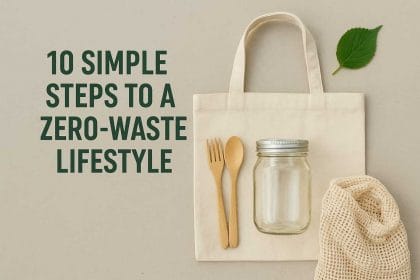
Starting a zero waste lifestyle does not mean fitting a year’s trash into a tiny jar. For most people, that version is too strict, too expensive, and too performative. A better goal is a lower-waste lifestyle that reduces the things you throw away most often.
Zero waste works best when it is practical. You keep what helps, ignore perfection, and build habits that survive busy weeks. The real win is not looking flawless. It is wasting less food, packaging, money, energy, and attention.
Here are 10 practical steps to start a zero waste lifestyle without turning it into another source of stress.
1. Start With a Trash Audit
Before buying reusable products, look at what you actually throw away. For one week, notice the repeat items: food scraps, coffee cups, bottles, takeout containers, shipping packaging, paper towels, snack wrappers, bathroom bottles, and old clothes.
The audit tells you where to start. If food waste fills the bin, focus on meal planning and composting. If delivery packaging is the issue, focus on fewer impulse orders. If plastic bottles appear daily, a reusable bottle is worth it.
2. Use What You Already Own
Do not throw away usable items to buy a prettier sustainable version. Use the containers, bags, jars, bottles, and cloths you already have. Replacing everything at once can create more waste and spend money without changing habits.
Zero waste is not a shopping aesthetic. It is a decision to use resources better.

3. Build a Reusable Kit That Fits Your Life
A reusable kit should match your actual habits. If you buy coffee outside, keep a cup. If you shop after work, keep a bag in your car or backpack. If you eat takeout at work, keep utensils there. If you never use straws, do not make straws your main project.
The best reusable item is the one you remember because it is stored where the old habit happens.
4. Reduce Food Waste First
Food waste is one of the most practical zero waste areas because it affects both trash and money. Plan a few meals, store food clearly, freeze extras, keep an “eat first” area in the fridge, and cook flexible meals that use leftovers.
Do not over-plan if that makes you quit. A simple list of meals and ingredients is enough. The goal is to stop buying food that quietly becomes trash.
5. Make the Kitchen Lower Waste
The kitchen is where many repeat habits happen. Use containers instead of disposable bags when practical. Choose refillable or larger-size pantry items if you will actually finish them. Keep cloth towels for clean spills and save paper towels for messy jobs where they make sense.
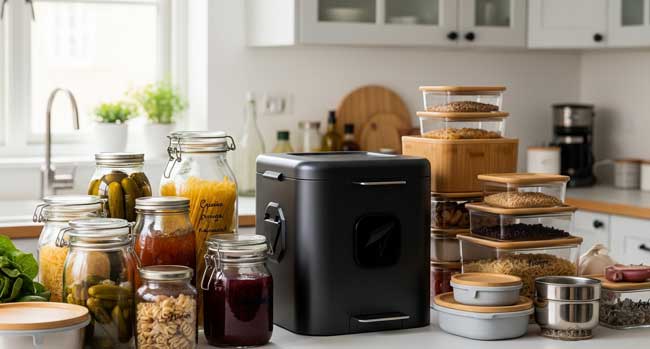
For more detail, see zero waste kitchen habits.
6. Compost What You Cannot Eat
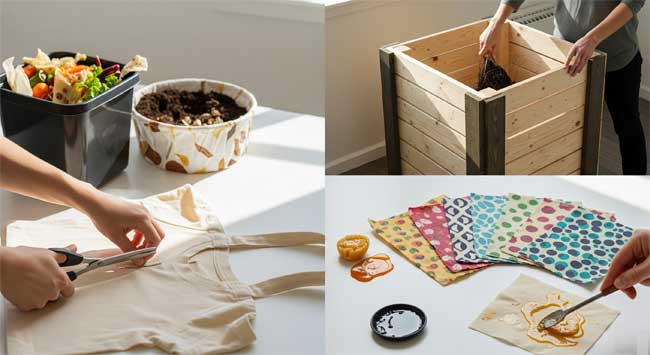
Composting helps with unavoidable scraps such as peels, cores, coffee grounds, and some plant trimmings. If you have a yard, outdoor composting may work. If you live in an apartment, try indoor composting, bokashi, worm composting, municipal pickup, or a local drop-off.
Composting is useful, but it comes after food waste prevention. Eating the food is usually better than composting it.
7. Repair Before Replacing
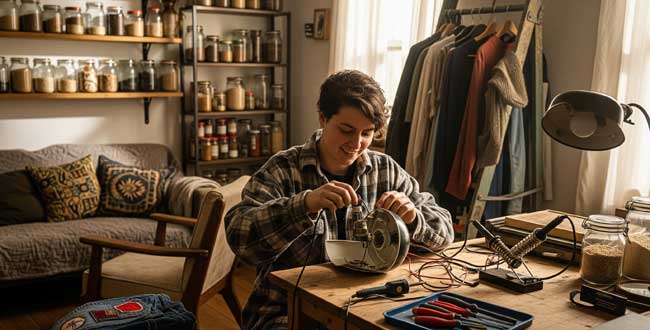
Repair culture is one of the most underrated zero waste habits. Sew a button, glue a loose part, replace a battery, sharpen a blade, update software, clean a filter, or ask a repair shop before buying new. Not everything is worth repairing, but more things are repairable than we assume.
8. Buy Secondhand When It Makes Sense
Secondhand shopping is useful for furniture, tools, books, clothing, kitchen items, decor, sports gear, and electronics when quality is good. It reduces demand for new production and often saves money.
Still, secondhand is not automatically zero waste if it becomes overbuying. The question remains the same: do you need it, will you use it, and does it solve a real problem?
9. Refuse the Easy Extras
A lot of waste enters the home as extras: napkins, sauce packets, plastic utensils, promotional items, flyers, samples, cheap bags, and packaging inserts. Refusing these items is simple because you are stopping waste before it becomes your responsibility.
In takeout notes, ask for no utensils or extras when you do not need them. Unsubscribe from mail you do not read. Say no to free items that will become clutter.
10. Keep It Flexible
Zero waste has to fit real life. Families, budgets, disabilities, local stores, time, weather, health needs, and housing situations are different. A habit that works for one person may not work for another.
Use the 80/20 approach. Focus on the few changes that reduce the most waste with the least daily stress. Leave the rest for later.
A Simple First Month Plan
| Week | Focus | Action |
|---|---|---|
| 1 | Notice waste | Track repeat trash items |
| 2 | Food | Create an eat-first fridge area |
| 3 | Reusables | Place bags, bottle, or utensils where needed |
| 4 | Repair and refuse | Fix one item and decline extras |
What to Do When You Slip
You will forget the bag, order takeout, throw away food, buy something unnecessary, or choose convenience sometimes. That does not mean the lifestyle failed. A low-waste routine is built for recovery. Notice what happened and adjust the system.
If you forgot bags, put one by the door and one in the car. If leftovers spoiled, make them more visible. If you bought too much, use a waiting list next time. If DIY was too much work, choose a simpler store-bought refill. The lesson matters more than the mistake.
Zero Waste With Other People
Households work better when the routine is simple for everyone. Do not create a system that only one motivated person understands. Label bins, keep reusables in obvious places, explain what goes in compost, and choose changes that do not create constant arguments.
If family or roommates are not interested, start with your own habits and shared changes that reduce inconvenience. A visible recycling station, easier food storage, or fewer takeout extras may be accepted faster than strict rules.
Budget-Friendly Zero Waste
Some zero waste content makes the lifestyle look expensive. It does not have to be. The cheapest steps are often using what you own, wasting less food, buying secondhand, repairing items, refusing extras, borrowing tools, and avoiding impulse purchases.
Spend money only where it solves a repeat problem. A good bottle is useful if it replaces daily bottled drinks. Durable containers are useful if they prevent food waste. A repair tool is useful if it keeps items working. A product that only looks sustainable but sits unused is not progress.
Keep the Door Open
The best zero waste routine leaves room for imperfect days. If the lifestyle becomes too strict, people quit. If it stays flexible, it can grow slowly. Keep the door open by treating every week as a chance to reduce one repeat waste stream, not to prove you never make trash.
Build Zero Waste From the Rooms You Use Most
Zero waste works better when it starts with repeated rooms and repeated purchases. Kitchens, bathrooms, laundry areas, and entryways create most of the small decisions that either reduce waste or recreate it every week.
For food and storage habits, read zero waste kitchen habits. For packaging habits, use single-use plastic reduction. For cleaning supplies, compare with DIY cleaning products.
Choose Your First Step by Friction
A zero waste lifestyle works better when the first step removes a repeat problem instead of proving a point. Look at the bin for one week, pick the category that appears most often, and change only that routine first. The goal is not a perfect jar of trash; it is a smaller, cheaper, easier system you can repeat next month.
- If the routine keeps fading after a week, step back to sustainable habits and make the action smaller before adding another swap.
- If a product claims to be the perfect zero waste answer, check it against greenwashing warning signs before buying it.
This also keeps the budget realistic. Do not replace useful items just because a cleaner-looking version exists. Use what you own, borrow or buy secondhand when it makes sense, and treat every new purchase as a question: will this reduce waste over time, or will it become another object to manage?
Scope note: this is educational household guidance, not a local recycling rulebook or professional waste audit. Collection rules, composting options, and accepted materials vary by city, so check local guidance before changing disposal habits. For a broad official baseline, the EPA waste reduction guide is a useful starting point.
Bottom Line
A zero waste lifestyle begins with less waste, not perfection. Audit your trash, use what you own, reduce food waste, build a realistic reusable kit, compost unavoidable scraps, repair before replacing, and refuse extras.
The best zero waste routine is the one you can keep during an ordinary week. Make it useful, simple, and flexible, and it will last longer than a perfect plan.