




Water conservation at home does not have to mean uncomfortable showers or a dead lawn. The biggest gains usually come from fixing leaks, choosing efficient fixtures when replacements are needed, watering smarter outdoors, and noticing habits that waste water every day.
The best water-saving plan is practical: reduce waste without making the home harder to use. Start with leaks and outdoor watering, then move to showers, toilets, faucets, laundry, dishwashing, and landscaping.
Start With Leaks First
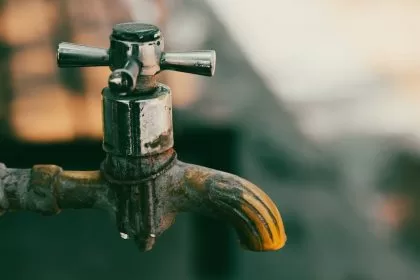
Leaks are the easiest water waste to miss because they can happen silently. A running toilet, dripping faucet, irrigation leak, or small pipe leak can waste far more water than a shorter shower habit.
EPA WaterSense recommends checking toilets, faucets, showerheads, and irrigation systems for leaks. A simple toilet test is to add food coloring to the tank and wait without flushing. If color appears in the bowl, the flapper or valve may be leaking.
| Area | What to check | Simple fix |
|---|---|---|
| Toilet | Running water, phantom flushes, worn flapper | Replace flapper or fill valve if needed |
| Faucet | Drips, loose handles, worn washers | Repair washer, cartridge, or aerator |
| Shower | Drips after shutoff, old showerhead | Repair valve or install efficient showerhead |
| Irrigation | Broken heads, overspray, soggy patches | Adjust heads and repair damaged lines |
Use WaterSense-Labeled Fixtures
When a fixture needs replacement, look for WaterSense-labeled products. WaterSense covers products such as toilets, showerheads, faucets, and irrigation controllers that meet efficiency and performance criteria.
This matters because poor fixtures can save water on paper but frustrate people in daily use. A good efficient fixture should reduce water waste without making the sink, shower, or toilet feel underpowered.
Save Water in the Bathroom
Bathrooms are a major indoor water-use area. Focus on habits that are easy to repeat:
- turn off the tap while brushing teeth or shaving
- repair running toilets quickly
- use efficient showerheads when replacing old ones
- take shorter showers when practical
- avoid using the toilet as a trash can
A shorter shower helps, but a leaking toilet can erase that effort. Fix hardware first, then refine habits.
Save Water in the Kitchen and Laundry
Run full dishwasher loads when possible. Modern dishwashers can be efficient when used correctly, especially compared with long handwashing under running water. Scrape plates instead of pre-rinsing heavily unless your machine requires it.
For laundry, wash full loads when practical, choose the right load size setting, and use cold water when appropriate. Cold-water washing also connects to broader sustainable habits because it can reduce energy used for heating water.
Outdoor Watering: The Biggest Opportunity for Many Homes
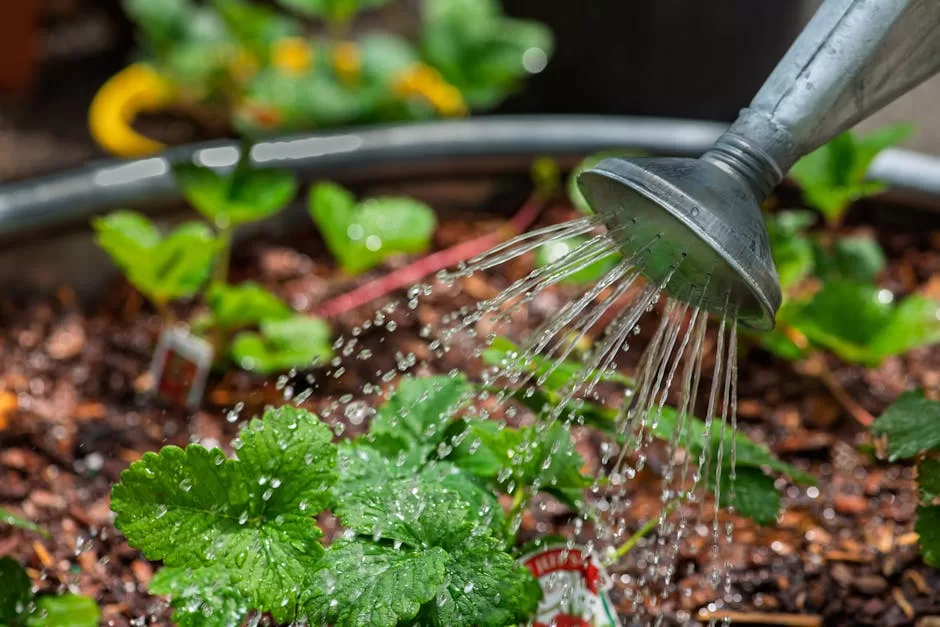
In dry or hot climates, outdoor watering can dominate household water use. A green lawn may use far more water than toilets, sinks, and laundry combined. The fix is not always to remove every plant. It is to water what matters, at the right time, with the right system.
- water early morning or evening to reduce evaporation
- avoid watering sidewalks, driveways, and streets
- use mulch to reduce soil evaporation
- group plants with similar water needs
- choose native or drought-tolerant plants where appropriate
- use drip irrigation for beds and shrubs when practical
- adjust irrigation seasonally instead of using one schedule all year
Smart Irrigation and Soil Moisture Sensors
Smart irrigation controllers and soil moisture sensors can help prevent overwatering. The benefit is strongest when the system is installed and calibrated correctly. A smart controller with broken sprinkler heads still wastes water.
Use technology to improve observation, not replace it. Walk the yard during a watering cycle, check for runoff, look for soggy areas, and make sure water lands on plants rather than pavement.
Greywater: Useful but Local Rules Matter
Greywater reuse means using lightly used water from sources such as showers, bathroom sinks, or laundry for non-drinking purposes such as landscape irrigation. It can be useful in some homes, but it is not a casual DIY project everywhere.
Local plumbing codes, health rules, detergent choice, storage limits, and system design matter. Never use greywater for drinking, cooking, or spraying edible plant parts. If you are considering a greywater system, check local regulations and use qualified guidance.
A Simple 30-Day Water-Saving Plan
- Week 1: Check toilets, faucets, and showerheads for leaks.
- Week 2: Adjust shower, brushing, dishwashing, and laundry habits.
- Week 3: Inspect outdoor irrigation and fix overspray or broken heads.
- Week 4: Review your water bill and decide whether fixture upgrades make sense.
For homes with smart devices, leak sensors near water heaters, washing machines, and under sinks can also prevent damage. See our smart home guide for essential smart home gadgets.
Choose the Biggest Water Leak in the Routine
Water conservation works better when you start with the routine that repeats most often. A tiny habit done twice a year matters less than a shower, toilet, leak, irrigation schedule, laundry setting, or dishwasher routine that happens every week.
- First week: look for leaks, running toilets, dripping taps, and outdoor watering habits.
- Second week: change one bathroom or laundry habit and keep it simple enough to repeat.
- Third week: adjust outdoor watering by weather and soil, not by a fixed calendar.
- Fourth week: decide whether a fixture upgrade, rain barrel, or smart controller is actually worth it.
This keeps water saving practical. The goal is not to make every drop feel like a moral test; it is to remove waste where the household will notice the result.
- If cleaning routines waste water or products, pair the habit with DIY cleaning products.
Scope note: this is general household water-saving guidance, not plumbing, legal, utility, or professional home-improvement advice. Local drought rules, greywater rules, rebates, and fixture requirements can change what makes sense.
Bottom Line
Simple water conservation starts with leaks, efficient fixtures, smarter outdoor watering, and repeatable habits. You do not need a perfect system to make progress. Fix waste that happens every day, then upgrade fixtures and irrigation when replacement time comes.
Water-saving choices also save energy when they reduce hot-water use. That makes conservation good for bills, resilience, and the local environment.
Sources: EPA WaterSense start saving; EPA WaterSense Fix a Leak Week; EPA WaterSense outdoors.
Water Conservation Belongs in Green Home Planning
Water conservation is one of the simplest ways to make a home greener because it often starts with leaks, habits, fixtures, and landscaping choices rather than a large renovation. It also supports rainwater harvesting: when everyday waste is lower, stored rainwater can cover more of the useful outdoor or non-drinking demand.
Water and energy are connected too. Hot water, pumping, irrigation controls, and appliance use all affect a home’s footprint, so water checks fit naturally beside green home energy planning and practical smart home energy savings.
Room-By-Room Water Audit
Water conservation becomes easier when it starts with where water is actually used. In the bathroom, check shower length, toilet leaks, faucet aerators, and whether hot water is being wasted while waiting for temperature. In the kitchen, look at dishwasher habits, rinsing style, kettle fill level, and food prep. In the laundry area, the biggest wins usually come from full loads, correct settings, and fixing slow leaks before they become normal background waste.
| Area | Low-effort check | When it matters most |
|---|---|---|
| Bathroom | Listen for toilet leaks and shorten default shower time. | Homes with several daily showers. |
| Kitchen | Run full dishwasher loads and avoid constant pre-rinsing. | Families cooking at home often. |
| Laundry | Use load-size settings and repair dripping connections. | Older machines or frequent laundry days. |
| Outdoor | Water early, mulch soil, and avoid watering pavement. | Hot months and garden-heavy homes. |
Renter And Homeowner Paths
Renters should focus on behavior and removable fixes: aerators where allowed, shorter showers, leak reports, bucket capture for cold-start water, and better laundry timing. Homeowners can go further with efficient fixtures, outdoor irrigation checks, rain barrels where legal, and appliance replacement when an old unit already needs replacing. My guide to rainwater harvesting is useful only after the basic indoor leaks and routines are under control.
It also helps to be honest about savings. A single habit may not transform the bill by itself, but several small fixes can reduce waste without making the home uncomfortable. If the goal is a broader greener home, pair water habits with smart home energy savings and eco-friendly materials instead of treating water as a separate project.
Before Spending Money On Water-Saving Gear
My practical checklist is to test the free fixes first. For one week, note long showers, dripping sounds, half-full laundry loads, garden watering, and any faucet that runs while waiting for hot water. That short example audit usually shows whether the home needs a new fixture, a repair, or just a better routine. If the waste is behavioral, buying a device can become another unused eco purchase. If the waste is a leak, repair should come before anything decorative.
This is also where water conservation connects back to sustainable habits: the best change is the one the household repeats without turning the home into a project every day.