





We carry powerful energy sources in our pockets every day: lithium-ion batteries in phones, laptops, tablets, power banks, and other electronics. These batteries are usually safe in normal use, but lithium-ion battery explosion risks increase sharply when cells are damaged, overheated, improperly charged, or handled carelessly during repair.
This guide focuses on practical risk management: what makes lithium-ion batteries dangerous in real-world situations, how to reduce repair-related hazards, and which safety habits matter most for everyday devices.
If you want the full science-based overview of thermal runaway and common battery fire triggers, read our guide on lithium battery explosions and safety basics.
How Dangerous Are Lithium-Ion Batteries in Everyday Use?
Lithium-ion batteries are not inherently unsafe, but they are high-energy components. That means mistakes matter. A healthy battery inside a well-designed device is typically low risk. A damaged, swollen, overheated, or poorly repaired battery is a very different situation.
Most serious incidents happen when multiple risk factors combine, such as physical damage plus charging stress, or high heat plus a low-quality charger. This is why safety is less about fear and more about handling, inspection, and prevention.
The Highest-Risk Situations for Lithium-Ion Battery Failures
In practical terms, lithium-ion battery explosion risks are highest in these situations:
- DIY repairs where tools may puncture or bend the battery cell
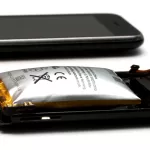
- Using swollen batteries instead of replacing them immediately
- Charging damaged devices that already show heat or deformation
- Extreme heat exposure (cars, direct sun, enclosed hot spaces)
- Cheap or damaged charging accessories that increase electrical stress
If your phone already shows a lifted screen, bulging back panel, or visible deformation, stop here and read our device-specific safety guide on phone battery swelling and what to do safely.
Why Battery Damage During Repair Is So Dangerous
Repair work creates one of the most common high-risk scenarios because batteries are often glued in place and sit close to tools, adhesives, and heat sources. A puncture, bend, or crush can damage internal layers and create a short circuit inside the cell.
Once that happens, temperature can rise rapidly. The battery may vent gas, smoke, ignite, or enter thermal runaway. This is why battery removal should be done carefully, with the right tools, and without forcing the cell.
Why Charge Level Matters Before Battery Repair
Charge level affects how much energy is available if something goes wrong. A fully charged battery contains more stored energy than a partially charged one, so damage at high charge can produce a more severe event.
For that reason, many repair workflows reduce battery charge before service when possible. As a practical safety habit, lowering charge before repair can reduce severity risk, but it does not make puncturing a battery safe. Careful handling is still essential.
Why Battery Size and Device Type Change the Risk
Battery size matters because larger packs store more energy. A damaged phone battery is dangerous, but a damaged laptop battery, e-bike battery, or scooter battery pack can create a much larger and harder-to-control fire event.
This is one reason users should treat high-capacity battery packs with extra caution during charging, storage, and transport. Do not assume all lithium-ion battery incidents are equal just because the chemistry type is similar.
Safe Practices for Repair, Charging, and Daily Use
Before Repair
- Power off the device completely before starting.
- Reduce battery charge when possible before repair work.
- Use proper plastic tools and avoid aggressive prying near the battery.
- Do not use metal tools in ways that can puncture or bridge battery contacts.
During Charging
- Use manufacturer-approved or certified chargers and cables.
- Charge on a hard, ventilated surface, not on bedding or couches.
- Stop charging if the device becomes unusually hot, smells odd, or behaves abnormally.
Storage and Transport
- Keep spare batteries in a cool, dry place away from direct heat.
- Use protective cases for loose batteries to prevent terminal contact with metal objects.
- Never carry a damaged or swollen battery loose in a bag or pocket.
What Is Thermal Runaway, and Why Does It Matter?
Thermal runaway is a self-accelerating battery failure process in which heat causes internal breakdown, which then generates even more heat. It is the core mechanism behind many lithium-ion battery fires and violent failures.
We cover the full mechanism in detail here: What causes lithium battery explosions and how to stay safe.
When to Stop Using a Device Immediately
Stop using and charging the device immediately if you notice any of the following:
- Battery swelling, bulging, or screen lift
- Unusual heat during normal use or charging
- Smoke, hissing, or a burning smell
- Sudden shutdowns or charging instability after a drop or impact
For travel-specific battery drain issues that are not safety failures, see Phone Battery Drain on Airplane: Why It Happens and How to Fix It.
Looking Ahead: Safer Battery Technologies
Emerging battery designs, including solid-state approaches, aim to improve safety by reducing flammable liquid components and improving thermal stability. These technologies are promising, but mainstream adoption takes time and depends on cost, manufacturing scale, and reliability.
Until then, user behavior remains one of the strongest safety controls.
Conclusion
Lithium-ion batteries make modern devices portable and powerful, but they require careful handling, especially during repair and charging. Understanding when risks increase, how charge level and damage affect severity, and when to stop using a device can significantly improve safety.
Use good charging habits, avoid damaged cells, and treat warning signs seriously. That combination prevents far more problems than most people realize.










test