




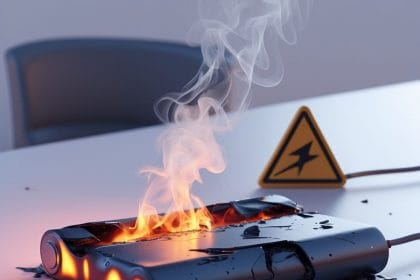
Lithium battery explosions are rare, but the risks are real enough that every device owner should understand the basics. Phones, laptops, power banks, e-bikes, and many everyday electronics rely on lithium-ion batteries, and when a battery fails, heat and flammable materials can create a dangerous chain reaction.
This guide explains why lithium batteries fail, what thermal runaway means, which risk factors matter most, and how to use lithium-powered devices more safely without unnecessary fear.
The Science Behind Battery Fires and Thermal Runaway
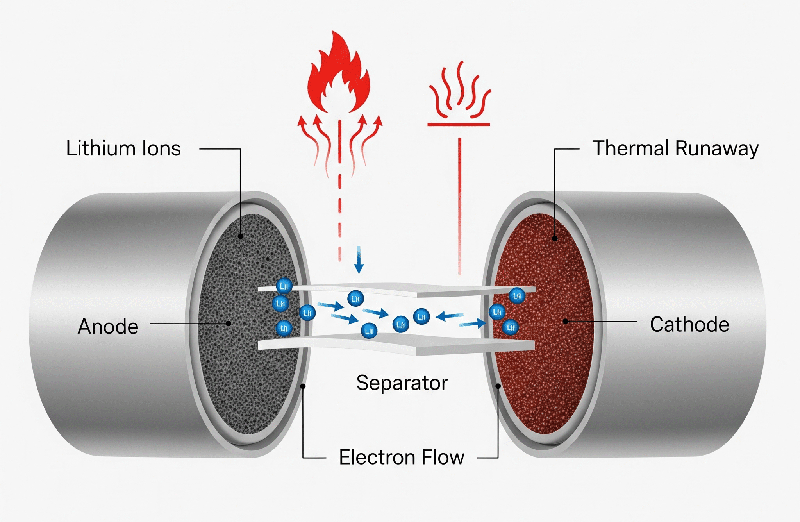
Lithium-ion batteries store a lot of energy in a compact space. Under normal conditions, lithium ions move between the anode and cathode during charging and discharging. The system is efficient, but it also depends on stable internal chemistry, good temperature control, and intact battery structure.
When a battery is damaged, overheated, poorly manufactured, or electrically stressed, it can develop an internal short circuit or unstable chemical reactions. In serious failures, this can trigger thermal runaway, a self-accelerating process where rising temperature causes more internal breakdown, which then generates even more heat.
Thermal runaway can lead to venting, smoke, fire, or in some cases a violent rupture. Not every incident is a literal explosion, but users often describe battery fires and ruptures under the same term because the event can happen suddenly and dangerously.
What Usually Causes Lithium Battery Explosions or Fires?
Most lithium battery failures happen because of a small set of recurring risk factors. The exact trigger may differ by device, but the pattern is usually the same: heat, damage, charging stress, or a manufacturing problem.
- Physical damage: Dropping, crushing, puncturing, or bending a battery can damage internal layers and create short-circuit risks.
- Heat exposure: High temperatures increase chemical stress and can accelerate battery breakdown.
- Charging stress: Poor-quality chargers, damaged cables, or repeated overheating while charging can raise failure risk.
- Manufacturing defects: Internal flaws can remain hidden until the battery degrades or is stressed.
- Improper storage or transport: Loose batteries stored with metal objects, extreme temperatures, or damaged packs can become hazardous.
Modern devices include battery management systems and safety protections, but no system is perfect. Good habits still matter.
Which Devices Are Most Commonly Involved in Lithium Battery Incidents?
Lithium battery incidents are not limited to smartphones. Risk depends more on battery condition, charging behavior, and device quality than on device type alone. Common devices include:
- Smartphones (especially older or physically damaged devices)
- Laptops and tablets
- Power banks
- E-bikes / e-scooters (larger battery packs can create more severe fire events)
- Drones, cameras, and cordless tools
If you are dealing with a phone-specific issue like a bulging back cover or lifted screen, read our dedicated guide on phone battery swelling and what to do safely. That article focuses on immediate action steps for swollen phone batteries.
How to Use Lithium Batteries Safely in Everyday Devices
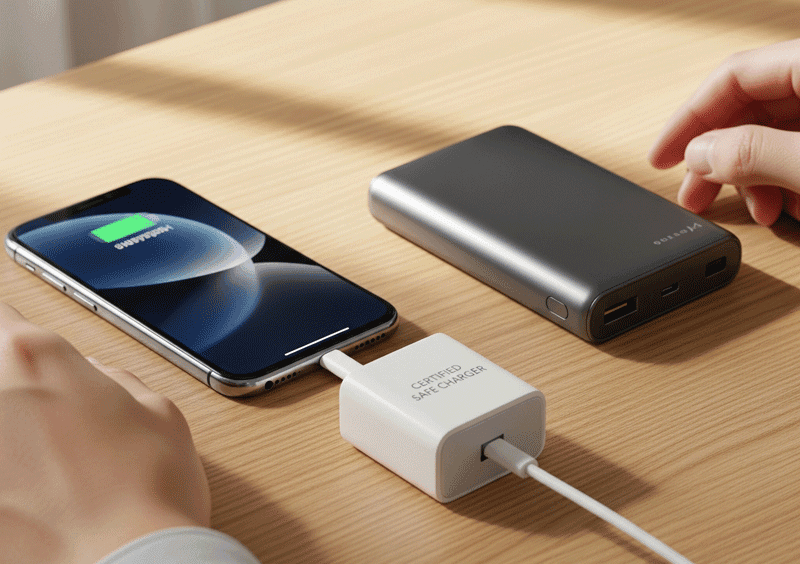
The good news is that most battery incidents are preventable. These practical habits reduce risk and usually improve battery lifespan as well.
1) Avoid Heat Buildup
Do not leave devices in hot cars, direct sunlight, or enclosed spaces where heat accumulates. Also avoid charging under pillows, blankets, or other surfaces that trap heat.
2) Use Reliable Chargers and Cables
Use original or certified chargers and cables when possible. Damaged, low-quality, or incompatible accessories can increase charging instability and heat stress.
3) Do Not Ignore Warning Signs
Stop using the device if you notice swelling, unusual heat, smoke, burning smell, screen separation, or repeated shutdowns during charging. Continuing to use a failing battery can make the situation worse.
For a broader technical overview of warning signs and household battery hazards, see Lithium-Ion Batteries and Explosion Risks: What You Need to Know.
4) Store Spare Batteries Safely
Store loose batteries in a cool, dry place and use protective cases. Do not let battery terminals contact keys, coins, or other metal objects.
5) Reduce Charging Stress in Daily Use
Try not to combine heavy gaming, high-heat usage, and charging for long periods. Heat management is one of the most important battery safety habits.
If your concern is mainly battery performance during travel rather than battery safety failure, read Phone Battery Drain on Airplane: Why It Happens and How to Fix It.
What to Do If a Lithium Battery Starts Smoking or Overheating
If a battery starts smoking, hissing, or becomes dangerously hot, prioritize distance and safety. Do not pick it up with bare hands or try to puncture it. If possible, move away from flammable materials and follow local emergency guidance if there is active fire risk.
For non-emergency warning signs like swelling or a lifted phone screen, stop using the device and arrange professional inspection or replacement as soon as possible.
Do not throw damaged lithium batteries in household trash. They should be handled through approved battery recycling or e-waste collection points.
The Future of Battery Safety
Battery safety is improving through better battery management systems, improved cell design, and ongoing research into safer chemistries. One widely discussed direction is solid-state battery development, which aims to reduce reliance on flammable liquid electrolytes.
Even as technology improves, user habits still play a major role. Safer charging, storage, and early response to warning signs remain essential.
Final Thoughts
Lithium-ion batteries power modern life, but they demand basic safety awareness. Understanding thermal runaway, common failure triggers, and practical prevention habits can help you use your devices more safely and confidently.
You do not need to fear every battery-powered device. You do need to respect warning signs, avoid preventable risks, and replace damaged batteries promptly.