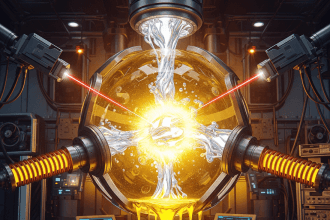





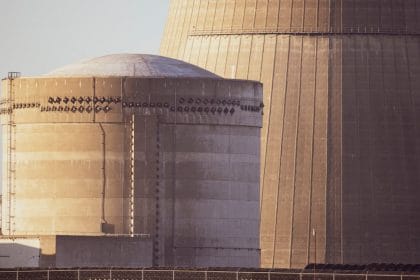
As the promise of clean, abundant nuclear fusion energy draws closer, security architects, operational leads, and risk managers face a pivotal challenge: how to build resilience into an entirely new class of critical infrastructure. This isn’t just about protecting a power plant; it’s about safeguarding a foundational pillar of future global energy supply from a complex array of threats. Understanding and mitigating the security and operational risks associated with fusion power plant security is paramount from design to deployment. This article will equip you with actionable strategies and frameworks to begin integrating robust security controls today, ensuring the integrity and continuity of these vital facilities.
TL;DR: Fusion Infrastructure Security Checklist
- Proactive Risk Assessment: Identify physical, cyber, and operational vulnerabilities early.
- Layered Defenses: Implement concentric rings of security for physical and digital assets.
- OT/IT Convergence: Integrate security across operational technology (OT) and information technology (IT) networks.
- Supply Chain Vigilance: Vet all vendors and components for security posture.
- Incident Response: Develop and frequently test comprehensive incident response plans.
- Regulatory Alignment: Adhere to evolving critical infrastructure protection standards (e.g., NIST, ISO).
- Personnel Training: Cultivate a strong security culture from day one.
Establishing a Secure Foundation for Critical Fusion Facilities
The unique characteristics of fusion energy facilities — high-energy plasma containment, complex control systems, and critical national importance — demand a comprehensive, multi-layered security approach. Before diving into the specifics of defense, it’s beneficial to grasp the fundamental concepts of nuclear fusion energy itself. Our focus here is on securing nuclear fusion infrastructure against physical, cyber, and operational threats.

Physical Security and Site Hardening
Protecting the physical perimeter and internal zones of a fusion facility is the first line of defense. This encompasses access control, surveillance, and environmental monitoring to deter unauthorized access and respond to intrusions.
- Perimeter Defense Systems: Implement robust fencing, intrusion detection sensors, and active surveillance (CCTV with analytics).
- Access Control & Biometrics: Strict control over entry points using multi-factor authentication, including biometric verification for critical areas.
- Internal Zone Segmentation: Divide the facility into progressively more secure zones, limiting access based on roles and need-to-know.
- Environmental Monitoring: Detect and mitigate threats like fire, floods, and hazardous material spills that could impact operations.
How to Verify: Conduct regular penetration testing and red-team exercises against physical controls. Verify via quarterly audit logs of access attempts and incident response times.
Operational Technology (OT) and Industrial Control Systems (ICS) Protection
The control systems that manage plasma stability, fuel injection, and energy extraction are the heart of a fusion power plant. Compromising these systems presents severe operational risks, potentially leading to facility damage or widespread power disruption. This area demands a specialized energy infrastructure cybersecurity focus.
- Network Segmentation: Isolate OT networks from IT networks and further segment critical control systems within the OT domain.
- Secure Configuration Management: Harden all OT devices, remove default credentials, and disable unnecessary services.
- Vulnerability Management: Implement a continuous program for identifying and patching vulnerabilities in ICS software and hardware, aligning with recognized frameworks like NIST 800-series.
- Anomaly Detection: Deploy specialized OT security solutions capable of detecting unusual traffic patterns or commands indicative of compromise.
- Endpoint Protection: Secure HMIs (Human-Machine Interfaces) and engineering workstations with robust anti-malware and host intrusion prevention.
How to Verify: Validate network segmentation via regular third-party audits. Confirm patch management effectiveness through CMDB vs. EDR coverage percentages and vulnerability scan reports.
Information Technology (IT) Cybersecurity and Data Integrity
While distinct from OT, the IT infrastructure supports crucial functions such as data analytics, administrative operations, and external communications. Breaches here can lead to intellectual property theft, operational disruption, or reputational damage.
- Robust Network Security: Firewalls, intrusion prevention systems (IPS), and secure gateways protecting both internal and external connections.
- Data Encryption: Encrypt sensitive operational data, research data, and administrative information both in transit and at rest.
- Identity and Access Management (IAM): Implement strong authentication and granular access controls for all IT systems and data, adhering to the principle of least privilege.
- Threat Intelligence & Monitoring: Integrate threat intelligence feeds and Security Information and Event Management (SIEM) systems to detect and respond to cyber threats proactively.
- Incident Response & Recovery: Develop and test comprehensive incident response plans for IT breaches, ensuring rapid containment and recovery capabilities.
How to Verify: Measure incident response metrics (MTTD, MTTR). Review quarterly penetration test results and audit logs for unauthorized access attempts.
Supply Chain Risk Management
The global nature of technology and components means that a fusion facility’s security is only as strong as its weakest link in the supply chain. Ensuring nuclear fusion grid resilience requires scrutiny of every vendor.
- Vendor Security Assessments: Conduct thorough security assessments of all third-party suppliers, particularly those providing critical hardware, software, or services.
- Contractual Security Requirements: Embed specific security clauses and compliance requirements into all vendor contracts.
- Component & Software Bill of Materials (SBOM): Maintain detailed SBOMs to track all components and their provenance, facilitating vulnerability identification.
- Trusted Procurement: Prioritize suppliers with strong cybersecurity postures and established security certifications.
How to Verify: Track the percentage of critical vendors with completed security assessments. Audit SBOMs against deployed assets annually.
Human Factors and Insider Threat Mitigation
People are often the strongest asset or the weakest link. Comprehensive training and robust insider threat programs are essential for critical fusion facility protection.
- Security Awareness Training: Regular, mandatory training for all personnel on cybersecurity best practices, physical security protocols, and social engineering awareness.
- Insider Threat Program: Implement a program to detect, deter, and mitigate potential insider threats, combining technical monitoring with behavioral analysis, aligning with principles from frameworks like ISO 27001.
- Background Checks & Vetting: Rigorous background checks and continuous vetting for all personnel with access to sensitive areas or systems.
- Clear Roles & Responsibilities: Define clear security roles and responsibilities across all departments, ensuring accountability.
How to Verify: Track security awareness training completion rates and phishing test success rates. Conduct annual reviews of insider threat program effectiveness.
Risk Scoring Matrix
A consistent risk scoring matrix is crucial for prioritizing security investments and responses. This model uses a 1-5 scale for both Likelihood and Impact, allowing for a quantitative risk score (Risk = Likelihood x Impact).
- Likelihood Scale:
- 1 – Rare: Unlikely to occur (e.g., <5% probability per year).
- 2 – Unlikely: May occur at some point (e.g., 5-20% probability per year).
- 3 – Moderate: Likely to occur (e.g., 20-50% probability per year).
- 4 – High: Very likely to occur (e.g., 50-80% probability per year).
- 5 – Certain: Almost certain to occur (e.g., >80% probability per year).
- Impact Scale:
- 1 – Negligible: Minor inconvenience, minimal cost (<$10k), no operational disruption.
- 2 – Minor: Limited disruption, minor financial loss ($10k-$100k), localized operational impact.
- 3 – Moderate: Significant disruption, moderate financial loss ($100k-$1M), regional operational impact.
- 4 – Severe: Major disruption, significant financial loss ($1M-$10M), national operational impact.
- 5 – Catastrophic: Critical operational failure, extreme financial loss (>$10M), severe reputational damage, potential loss of life.
- Risk Score Interpretation:
- 1-5: Low Risk – Monitor and accept.
- 6-10: Medium Risk – Implement controls where cost-effective.
- 11-15: High Risk – Requires immediate attention and mitigation.
- 16-25: Critical Risk – Demands urgent, top-priority mitigation and executive oversight.
Minimum Contract Clauses for Vendors
When engaging third-party vendors for any aspect of fusion infrastructure, strict security clauses are non-negotiable to maintain fusion power plant security.
- Information Security Requirements: Mandate compliance with specified security standards (e.g., ISO 27001, NIST CSF) and require regular security audits or attestations.
- Data Protection & Privacy: Define clear responsibilities for protecting any data handled by the vendor, including encryption, access controls, and data retention policies.
- Incident Reporting & Response: Obligate immediate notification of security incidents, cooperation during investigations, and adherence to defined incident response protocols.
- Right to Audit: Retain the right to audit the vendor’s security controls and compliance at reasonable intervals.
- Personnel Vetting: Require vendors to conduct background checks and security awareness training for their personnel with access to your systems or facilities.
- Physical Access Control: Specify protocols for physical access to your facilities, including badge requirements, escort policies, and restricted access zones.
- Supply Chain Security: Require vendors to demonstrate due diligence in securing their own supply chain, particularly for components integrated into your infrastructure.
Common Mistakes in Securing Nuclear Fusion Infrastructure
- Underestimating OT Risks: Focusing solely on IT cybersecurity while neglecting the unique vulnerabilities and operational impact of industrial control systems.
- Insufficient Insider Threat Programs: Failing to implement comprehensive programs to detect and mitigate threats posed by employees, contractors, or partners.
- Neglecting Supply Chain Security: Trusting vendor claims without independent verification or mandating robust security clauses in contracts.
- Reactive vs. Proactive Security: Waiting for incidents to occur before investing in security, rather than building security in from the design phase.
- Inadequate Testing & Drills: Lack of regular penetration testing, vulnerability assessments, and incident response drills across physical, OT, and IT domains.
- Ignoring Human Factors: Overlooking the critical role of continuous security awareness training and a strong security culture.
FAQ
What are the primary security challenges for nuclear fusion facilities?
The primary challenges include protecting against physical intrusions, securing complex operational technology (OT) systems from cyberattacks, safeguarding sensitive data and intellectual property, and managing supply chain risks.
How important is network segmentation in fusion power plant security?
Network segmentation is critically important. It isolates different parts of the network, especially separating operational technology (OT) from information technology (IT), minimizing the blast radius of a cyberattack and preventing lateral movement by attackers.
What role do international standards play in securing fusion infrastructure?
International standards like those from NIST and ISO provide a crucial framework for developing comprehensive security programs, guiding risk assessments, control implementation, and incident response strategies across physical and cyber domains.
Can a cyberattack physically damage a fusion reactor?
Yes, if attackers gain control over operational technology (OT) systems, they could manipulate critical parameters, potentially leading to equipment damage, operational failure, or even safety incidents. This highlights the importance of robust energy infrastructure cybersecurity.
Next Steps
- Conduct a comprehensive, multi-disciplinary risk assessment mapping potential threats to your fusion facility’s physical, OT, and IT assets.
- Develop a prioritized security roadmap, integrating controls from design through operations, aligning with recognized critical infrastructure protection frameworks.
- Establish an ongoing vendor risk management program with strict contractual security requirements for all third parties.
- Implement an aggressive security awareness and insider threat program for all personnel involved in fusion facility operations and development.
- Regularly test and refine your incident response plans through tabletop exercises and simulated attacks across all security domains.
{“@context”: “https://schema.org”, “@type”: “FAQPage”, “mainEntity”: [{“@type”: “Question”, “name”: “What are the primary security challenges for nuclear fusion facilities?”, “acceptedAnswer”: {“@type”: “Answer”, “text”: “The primary challenges include protecting against physical intrusions, securing complex operational technology (OT) systems from cyberattacks, safeguarding sensitive data and intellectual property, and managing supply chain risks.”}}, {“@type”: “Question”, “name”: “How important is network segmentation in fusion power plant security?”, “acceptedAnswer”: {“@type”: “Answer”, “text”: “Network segmentation is critically important. It isolates different parts of the network, especially separating operational technology (OT) from information technology (IT), minimizing the blast radius of a cyberattack and preventing lateral movement by attackers.”}}, {“@type”: “Question”, “name”: “What role do international standards play in securing fusion infrastructure?”, “acceptedAnswer”: {“@type”: “Answer”, “text”: “International standards like those from NIST and ISO provide a crucial framework for developing comprehensive security programs, guiding risk assessments, control implementation, and incident response strategies across physical and cyber domains.”}}, {“@type”: “Question”, “name”: “Can a cyberattack physically damage a fusion reactor?”, “acceptedAnswer”: {“@type”: “Answer”, “text”: “Yes, if attackers gain control over operational technology (OT) systems, they could manipulate critical parameters, potentially leading to equipment damage, operational failure, or even safety incidents. This highlights the importance of robust energy infrastructure cybersecurity.”}}]}