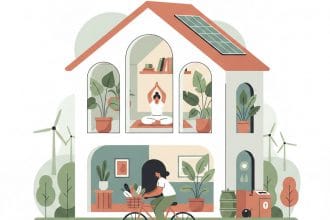





Ever looked at your utility bill and wondered if there was another way? A better way? For many of us, the idea of generating our own power at home feels like something for the distant future or only for the super-rich. But the truth is, harnessing home renewable energy is more accessible and practical than ever before. We’re talking about real solutions that can reduce your carbon footprint, save you money in the long run, and give you a sense of energy independence. It’s about taking a step towards sustainable household power, right from your own rooftop or backyard.
You don’t need to be an engineer or a climate activist to understand and benefit from green energy solutions for homes. This guide is for everyday folks who are curious about making their homes more efficient and environmentally friendly. We’ll cut through the jargon and get straight to what matters: how you can realistically bring renewable energy into your life, starting today.
TL;DR
- Home renewable energy is increasingly affordable and practical for many homeowners.
- Residential solar panels are the most common and accessible starting point.
- Beyond saving money, you’ll reduce your environmental impact significantly.
- Government incentives and financing options can make initial costs more manageable.
- Start with a home energy audit to understand your current usage.
- Choosing the right system involves understanding your needs and local climate.
- Regular maintenance is minimal but important for optimal performance.
Exploring Your Home Renewable Energy Options
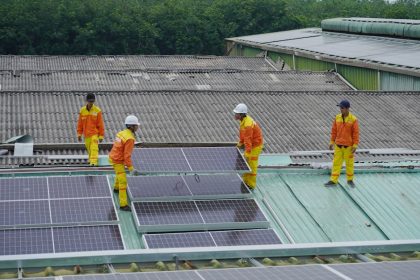
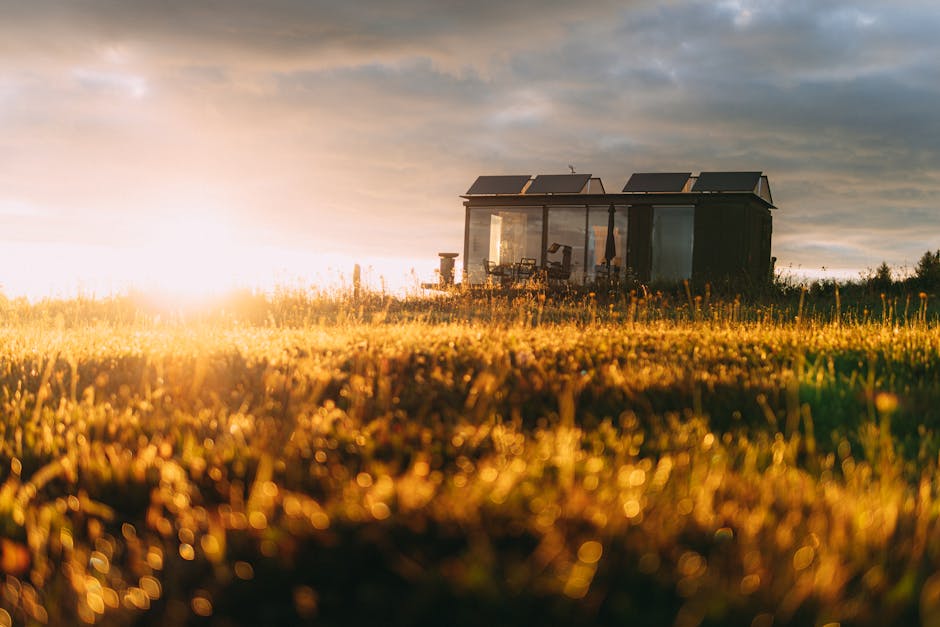
When most people think of home renewable energy, their minds immediately jump to solar panels. And for good reason! Residential solar panels are, by far, the most popular and established green energy solution for homes. They convert sunlight into electricity, quietly powering your appliances and lights. The technology has advanced by leaps and bounds, becoming more efficient and aesthetically pleasing.
But solar isn’t your only option. Depending on where you live, other forms of sustainable household power might be viable. Wind turbines, though less common for typical suburban homes, can be excellent for properties with consistent wind exposure and enough space. Geothermal systems, which use the stable temperature of the earth to heat and cool your home, are another powerful option, though they involve more significant initial installation.
For most homeowners, solar panels offer the best blend of accessibility, cost-effectiveness, and impact. They’re a proven technology that can significantly offset or even eliminate your electricity bill, making them a fantastic investment in your home’s future and the planet’s health.
Getting Started with Solar Power
If you’re considering residential solar panels, the first step is always to assess your home’s suitability. This isn’t just about how sunny your area is; it’s also about your roof’s orientation, shading from trees or other buildings, and its structural integrity. A professional installer will conduct a thorough site assessment, giving you a clear picture of what’s possible.
- Pro-Tip: Don’t just look at the price tag. Compare different quotes that include installation, equipment, warranties, and estimated energy production. A slightly higher initial cost might mean a better warranty or higher efficiency panels, leading to greater long-term savings.
- Common Pitfall: Neglecting to trim nearby trees or address roof repairs before installation. Shading can drastically reduce panel efficiency, and you don’t want to remove panels for roof work shortly after they’re installed.
Once you’ve decided on solar, the installation process usually takes a few days, depending on the size of your system. After installation, your system will be connected to the grid (if you choose a grid-tied system, which most do). This allows you to draw power from the grid when your panels aren’t producing enough and send excess power back to the grid for credits, often through a system called net metering.
- Pro-Tip: Research local and federal incentives. Tax credits, rebates, and grants can significantly reduce the upfront cost of residential solar panels, sometimes by 20-30% or more. These programs change, so staying updated is key.
- Common Pitfall: Overlooking battery storage options. While not always necessary, adding a battery can provide backup power during outages and allow you to store excess energy for use when utility rates are higher, maximizing your financial benefits and energy independence.
Real-World Impact of Home Renewable Energy
Switching to home renewable energy isn’t just a feel-good decision; it has tangible impacts on your daily life and wallet. The most immediate benefit for many homeowners is the reduction in their electricity bills. Imagine seeing your bill drop dramatically, or even receiving credits for the energy your home generates! This financial relief is a powerful motivator for adopting sustainable household power.
Beyond the direct savings, you’re also making your home more resilient. With a grid-tied system and battery storage, you gain a level of energy independence. Power outages, which seem to be happening more frequently in some areas, become less of a concern. Your home becomes a small, self-sufficient power plant, offering security and more confidence.
And, of course, there’s the environmental impact. By choosing green energy solutions for homes, you’re directly contributing to the fight against climate change. You’re reducing your reliance on fossil fuels, lowering greenhouse gas emissions, and promoting a cleaner, healthier environment for everyone. It’s a personal step that collectively makes a huge difference.
To truly maximize your home energy savings and get the most out of your renewable setup, it’s also important to consider your overall consumption habits. Simple changes in how you use energy can amplify the benefits of your solar panels or other systems. Taking a holistic approach to managing your home’s energy use ensures you’re efficient from every angle. If you’re looking to dive deeper into making your home smarter about its energy usage, you might want to explore ways to maximize home energy savings smartly through integrated systems and behavioral changes.
Common Misconceptions
Common Misconceptions
- Renewable energy systems are too expensive for the average homeowner. While the initial investment can be significant, declining costs, government incentives, and long-term savings often make them a sound financial decision.
- Solar panels don’t work in cloudy climates. Modern residential solar panels are much more efficient than older models and can still generate power on overcast days, albeit at a reduced capacity.
- Installing renewable energy is a complicated, drawn-out process. Reputable installers handle most of the paperwork, permits, and installation, making the process smoother than many expect.
- You have to go completely off-grid to use home renewable energy. Most homeowners opt for grid-tied systems, which means they stay connected to the utility grid, drawing power when needed and sending excess back.
Next Steps
Ready to explore harnessing home renewable energy for your property? Here’s a simple action plan to get you started:
- Educate Yourself: Read more about the specific types of green energy solutions for homes that might fit your region and lifestyle.
- Assess Your Usage: Start by understanding your current electricity consumption. Many utility companies offer tools or even free home energy audits to help you pinpoint where your energy goes.
- Get Quotes: Contact several reputable local installers for residential solar panels or other systems. Get detailed quotes and ask plenty of questions about equipment, warranties, and expected output.
- Research Incentives: Look into federal, state, and local tax credits, rebates, and financing options that can significantly lower your upfront costs.
- Make the Leap: Once you’re informed and comfortable with an installer, take the plunge! Enjoy the benefits of cleaner energy and lower bills.