




Your home’s energy bill is a mystery? Or wish you could do more for the planet without turning your life upside down? You’re not alone. There’s a big shift happening right now, right in our own neighborhoods: the move towards domestic renewable energy. It’s about tapping into natural sources like the sun and wind to power your home, instead of relying solely on traditional grids. This isn’t just for tech gurus or off-gridders anymore; it’s becoming a real, practical choice for everyday folks looking for home clean energy solutions. Let’s break down what this transformation means for you, your wallet, and your more confidence.
TL;DR
- Domestic renewable energy uses natural sources like sun and wind to power homes.
- It offers significant long-term savings on electricity bills.
- Boosts energy independence and property value.
- Reduces your carbon footprint, contributing to a healthier planet.
- Several options exist, from solar panels to geothermal systems.
- Government incentives often make residential green power systems more affordable.
- Smart planning and professional installation are key to success.
Getting Started with Home Clean Energy Solutions
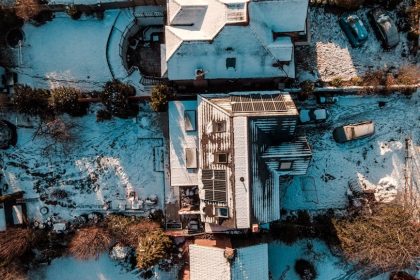
Thinking about your own home’s power often brings up images of giant power plants. But what if your home could be its own mini power plant? That’s the essence of domestic renewable energy. We’re talking about things like solar panels on your roof, small wind turbines in your yard, or even systems that use the Earth’s constant temperature to heat and cool your house. These aren’t futuristic gadgets; they’re proven technologies that are more affordable and efficient than ever.
The big idea here is sustainability. Instead of burning fossil fuels, which are finite and contribute to pollution, we’re using resources that naturally replenish. This means a cleaner environment for everyone. Plus, there’s a huge benefit to your bank account over time. Once installed, the ‘fuel’ for these residential green power systems — sunlight or wind — is absolutely free. That can make a real dent in your monthly expenses.
Popular Residential Green Power Systems
Let’s look at the main players you might consider for sustainable household energy:
- Pro-Tip: Solar panels are often the first step for many. They’re reliable, increasingly efficient, and suitable for most homes with adequate sunlight. Consider how much direct sun your roof gets throughout the day before committing.
- Common Pitfall: Don’t assume all solar is the same. There are different types of panels and installation methods. Researching local installers and their specific offerings is crucial to get the best fit for your needs and budget.
- Pro-Tip: Small wind turbines can be great if you live in an area with consistent, strong winds, away from major obstructions. They can complement solar power beautifully, especially when the sun isn’t shining.
- Common Pitfall: Wind turbines require specific zoning and space. Check local regulations and consult with an expert to ensure your property is suitable and permitted for a turbine before investing.
- Pro-Tip: Geothermal systems are fantastic for heating and cooling, using the stable underground temperature to regulate your home’s climate more efficiently than traditional HVAC. They offer long-term savings and comfort.
Each of these options has its own setup requirements and benefits. The key is finding what works best for your specific home, climate, and lifestyle. It’s not about making a radical change overnight, but about smart, informed decisions that lead to lasting benefits. To dive deeper into making smart choices for your home’s power, you might want to explore Smart Home Renewable Energy Choices.
The Real-World Impact of Sustainable Household Energy
So, beyond the technical stuff, what does bringing domestic renewable energy into your life actually mean? For starters, it means more predictable utility bills. Imagine knowing that a good chunk of your electricity is generated right on your property, shielded from fluctuating market prices. That kind of stability is a huge stress reliever for many homeowners.
It also means greater energy independence. During power outages, homes with battery storage connected to their solar or wind systems can keep the lights on when neighbors are in the dark. This resilience is a big draw for many, offering a sense of security and self-reliance.
Beyond your personal bubble, residential green power systems contribute to something much larger. Every home that switches reduces the overall demand on fossil fuel power plants, leading to less air pollution and fewer greenhouse gas emissions. It’s a tangible way to play your part in protecting the environment, creating a cleaner future for generations to come. Plus, let’s not forget about property value. Homes equipped with modern, efficient renewable energy systems often see an increase in market value, making them more attractive to buyers who prioritize sustainability and lower operating costs.
Common Misconceptions
- You need a massive budget to go solar or wind.
- Renewable energy systems are unreliable and break down often.
- Installing these systems is a huge, disruptive construction project.
- Batteries are always necessary for a home renewable energy system.
- These systems only work in perfectly sunny or windy climates.
- Switching to clean energy means sacrificing comfort or convenience.
- Home renewable energy is only for new builds, not existing homes.
Next Steps
Ready to explore how domestic renewable energy can improve your home? Here’s a practical action plan to get you started:
- Assess Your Needs: Look at your current energy bills to understand your usage. Think about your roof’s sun exposure or your yard’s wind patterns.
- Research Local Incentives: Check for federal tax credits, state rebates, and local programs that can significantly offset the cost of installation.
- Get Multiple Quotes: Contact several reputable installers in your area. Ask for detailed proposals and compare their solutions, pricing, and warranties.
- Understand the Process: Learn about installation timelines, necessary permits, and how your system will connect to the grid (if applicable).
- Consider Energy Efficiency First: Before generating your own power, ensure your home is as energy-efficient as possible. Sealing drafts, upgrading insulation, and using efficient appliances can reduce your overall energy needs, meaning you’ll need a smaller (and less expensive) renewable system.
- Plan for Maintenance: Ask about the expected lifespan and maintenance requirements for the systems you’re considering.