




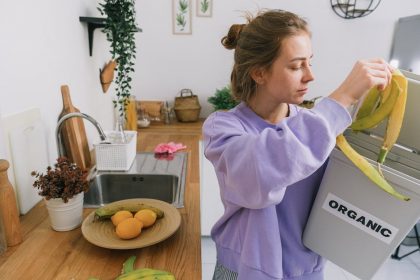
Ever look at your kitchen bin, overflowing with food scraps, and feel a pang of guilt? All those banana peels, coffee grounds, and veggie trimmings headed straight for the landfill. What if there was a way to turn that waste into something valuable, right inside your home? Good news: there is! Welcome to the world of indoor composting, a surprisingly simple and clean way to manage your organic waste, even if you live in an apartment or don’t have a backyard.
It sounds a bit intimidating at first, maybe even a little… smelly? But I promise, when done right, indoor composting is a clean, efficient, and incredibly rewarding practice. It’s not just for hardcore environmentalists; it’s for anyone looking to reduce their waste, feed their houseplants, or simply do a little more for the planet without leaving their kitchen.
TL;DR
- Indoor composting is easy and mess-free with the right setup.
- It significantly reduces kitchen waste heading to landfills.
- Key methods include vermicomposting (worms), Bokashi (fermentation), and electric composters.
- Choose a method that fits your space, lifestyle, and waste volume.
- Proper material balance and moisture control prevent odors.
- The output is nutrient-rich soil or fertilizer for plants.
- Anyone can do it, regardless of living space or gardening experience.
Why Embrace Indoor Composting?
Let’s face it: our kitchens generate a lot of waste. Food scraps make up a significant portion of what ends up in our trash bins. When organic material goes to a landfill, it decomposes anaerobically (without oxygen), producing methane – a potent greenhouse gas. By diverting these scraps through home composting, you’re making a real difference in reducing your carbon footprint. Plus, you get a fantastic byproduct: nutrient-rich soil amendments for your potted plants, window boxes, or outdoor garden.
Consider it closing the loop. You enjoy fresh produce, and instead of tossing the remnants, you transform them into future food for your plants. It’s a powerful, tangible step towards a more sustainable lifestyle, proving that even small actions at home can have a big impact.
Your Apartment Composting Solutions: Methods Explored
There isn’t a one-size-fits-all approach to indoor composting. The best method for you depends on your comfort level with different systems, the amount of kitchen waste you generate, and the space you have available. Here are the most popular and effective options:
Vermicomposting: Your Wormy Allies
This is probably the most well-known indoor composting method, and for good reason! Vermicomposting uses special composting worms (usually red wigglers) to break down organic matter into nutrient-rich ‘worm castings.’ A worm bin is surprisingly compact and can fit under a sink, in a closet, or on a sheltered balcony. The worms do most of the work, quietly munching through your food scraps.
- Pro-Tip: Feed your worms a varied diet of fruit and vegetable scraps, coffee grounds, tea bags, and shredded paper. Keep the bin moist but not waterlogged, like a wrung-out sponge.
- Common Pitfall: Avoid feeding worms meat, dairy, oily foods, citrus, or spicy peppers. These can attract pests, create odors, or harm your worms.
Bokashi Composting: The Fermentation Method
Bokashi is a unique indoor composting solution that uses anaerobic fermentation to break down kitchen waste. Unlike traditional composting, Bokashi can handle almost all food scraps, including meat, dairy, and cooked foods. You layer your waste with a special inoculated bran in an airtight bin. The microbes in the bran ferment the food, pickling it rather than decomposing it in the traditional sense.
After fermentation (usually 10-14 days), the pickled waste needs to be buried in soil to fully break down, or added to a traditional compost pile. While it doesn’t immediately create finished compost, it pre-processes food waste very effectively and eliminates odors during the fermentation stage, making it an excellent ‘Kitchen Waste Composting’ choice for city dwellers.
- Pro-Tip: Press down firmly on your food scraps each time you add them to remove air, and keep the lid tightly sealed. Drain the ‘Bokashi tea’ (liquid fertilizer) regularly from the spigot if your bin has one.
- Common Pitfall: Don’t open the bin too often during the fermentation period, as exposure to air can disrupt the process and cause odors. Also, ensure the bin is truly airtight.
Electric Composting Machines: The Modern Approach
For those who want a faster, more hands-off solution, electric composting machines are gaining popularity. These countertop appliances rapidly break down food scraps through a combination of heat, grinding, and aeration. Most can process waste in a matter of hours, turning it into a dry, sterile material that resembles soil. This material isn’t true finished compost but is an excellent soil amendment that breaks down further when mixed into garden beds or potting soil.
- Pro-Tip: Follow the manufacturer’s guidelines strictly regarding what can and cannot go into the machine. Chop larger items into smaller pieces for faster processing.
- Common Pitfall: Overfilling the machine or adding too many liquids can hinder its efficiency and potentially damage the unit. Be mindful of the energy consumption and upfront cost.
Getting Started with Your Indoor Composting Journey
Ready to jump in? Here are some practical steps and tips to ensure a smooth start:
- Pro-Tip: Start small. Don’t overwhelm yourself with a huge system if you’re new to it. A small worm bin or Bokashi bucket is a great way to learn the ropes.
- Common Pitfall: Neglecting the balance of ‘greens’ (nitrogen-rich: food scraps) and ‘browns’ (carbon-rich: shredded paper, cardboard, dry leaves). An imbalance can lead to odors or a very slow process.
- Pro-Tip: Choose a convenient location. Keep your system somewhere accessible but out of direct sunlight or extreme temperatures. A pantry, laundry room, or even a corner of your kitchen can work.
- Common Pitfall: Not monitoring moisture. Too wet, and it gets smelly and attracts pests. Too dry, and decomposition slows down significantly. Aim for the consistency of a damp sponge.
- Pro-Tip: Educate yourself on what’s compostable for your chosen method. This is crucial for success and preventing issues.
Real-World Impact: What Indoor Composting Does For You
Beyond the environmental bragging rights, what does indoor composting actually mean for your day-to-day life? First, your trash bin will be lighter and less smelly. Seriously, fewer food scraps means less rotting garbage festering in your kitchen. Second, you’ll produce fantastic, free fertilizer for your houseplants, herbs, or even a small balcony garden. Imagine vibrant, healthy plants without needing to buy bags of soil amendments from the store.
It also fosters a deeper connection to where your food comes from and where it goes. You become more mindful of your consumption and waste. It’s a small but significant step towards self-sufficiency and a more harmonious relationship with nature, even within city limits. Just as simple choices can make a difference in reducing waste, they can also contribute to simple water conservation around your home.
Common Misconceptions
- It’s incredibly messy. With proper bins and care, indoor composting is contained and clean.
- It always smells bad. Odors are usually a sign of an imbalance (too wet, wrong food, too much air for Bokashi), which is easily corrected.
- You need a huge amount of space. Many systems are designed to be compact, ideal for apartments or small homes.
- It’s only for serious gardeners. Anyone can start composting. You can even donate your finished compost to local community gardens if you don’t have plants.
Frequently Asked Questions
Does indoor composting attract pests?
Properly managed indoor composting systems, especially worm bins and Bokashi, are designed to be pest-resistant. Pests like fruit flies or rodents are usually attracted by exposed food waste or an improperly sealed bin. Keep your system closed, bury food scraps under bedding (for worms), and avoid adding items that shouldn’t be there (like meat in a worm bin), and you should be fine.
What if I don’t have plants or a garden?
No problem! The finished compost or Bokashi pre-compost is a valuable resource. You can often donate it to local community gardens, friends with gardens, or simply spread it around trees and shrubs in public spaces (with permission, if needed). Even just diverting the waste from landfills is a huge win.
Next Steps for Your Composting Adventure
Ready to turn those kitchen scraps into black gold? Here’s how to move forward:
- Research Methods: Dive deeper into vermicomposting, Bokashi, or electric composters. Watch some videos, read reviews, and see which one truly resonates with your lifestyle.
- Gather Supplies: Once you’ve chosen, purchase or build your bin, get your worms (if vermicomposting), or order your Bokashi bran.
- Prepare Your Space: Designate a spot in your home for your composting system that’s convenient and suitable.
- Start Small, Learn as You Go: Don’t expect perfection on day one. Add a small amount of scraps, observe your system, and adjust as needed. You’ll quickly become a confident indoor composter!
- Share Your Success: Once you’re comfortable, tell your friends and family! Inspire others to take up this rewarding and sustainable practice.