




Introduction
Feeling overwhelmed or short of breath during stress? You are not alone. One of the simplest and most practical ways to calm your body quickly is through deep breathing exercises.
These techniques can help reduce stress, ease anxiety symptoms, and improve emotional control in just a few minutes. They are free, easy to learn, and can be practiced almost anywhere.
In this guide, you will learn what deep breathing exercises are, how they work, and several simple techniques for instant calm, plus specific use cases such as anxiety, anger, and recovery support.
What Are Deep Breathing Exercises?
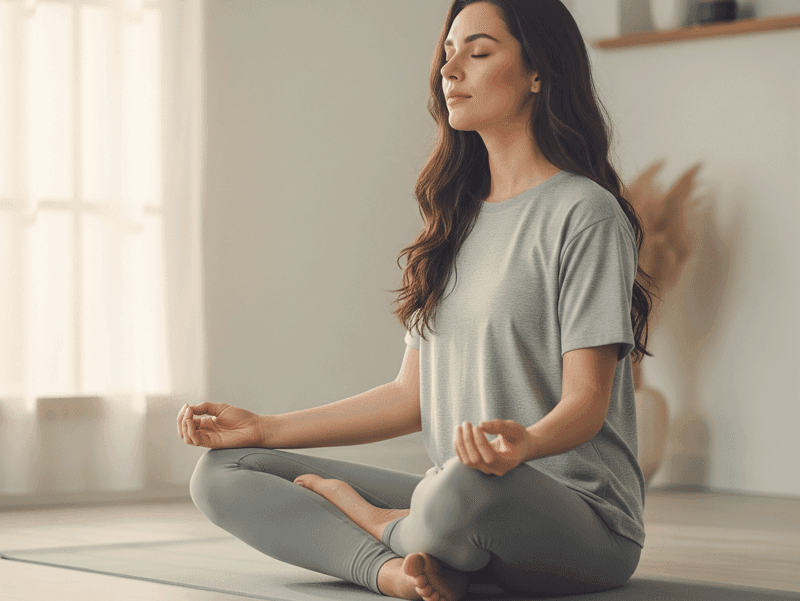
Deep breathing exercises are intentional breathing patterns designed to slow breathing, reduce physical tension, and calm the nervous system. Unlike automatic breathing, these methods help you breathe more slowly and more deeply, often using the diaphragm (belly breathing) instead of shallow chest breathing.
When you engage the diaphragm and lengthen your exhale, your body receives a safety signal. This can lower stress arousal, reduce muscle tension, and make it easier to think clearly. That is why breathing practices are widely used in yoga, meditation, mindfulness, and stress management routines.
With regular practice, deep breathing may support better sleep, lower stress, and improved emotional regulation. Even 5 to 10 minutes per day can make a noticeable difference.
Common beginner-friendly methods include:
- 4-7-8 breathing: inhale 4 seconds, hold 7 seconds, exhale 8 seconds
- Box breathing: inhale 4, hold 4, exhale 4, hold 4
- Paced breathing: slow breathing at a comfortable rhythm, often around 5 to 6 breaths per minute
In short, deep breathing exercises are not only quick calming tools. They can also become a long-term habit for better stress resilience.
Deep Breathing Exercises for Anxiety
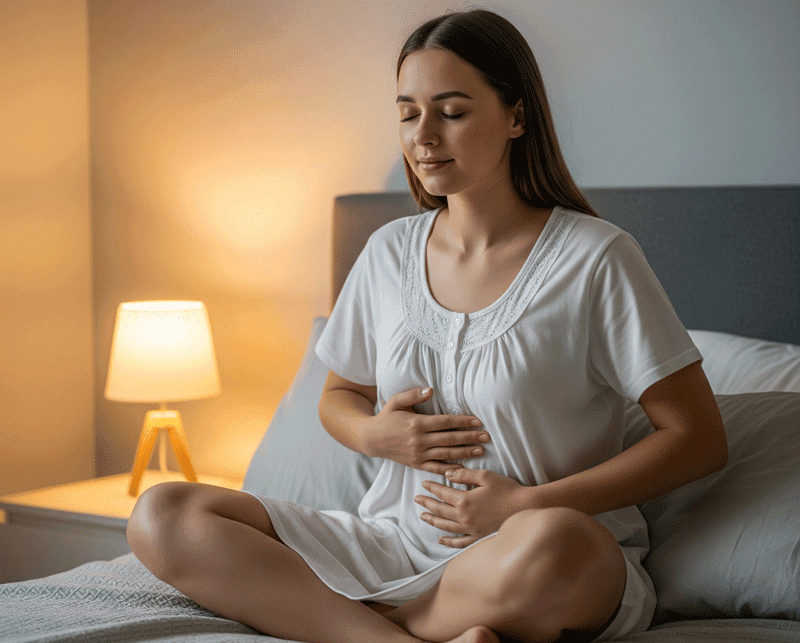
Anxiety often changes your breathing before you even notice it. Breathing becomes faster, shallower, and more chest-based, which can make you feel dizzy, tense, or short of breath. Deep breathing exercises for anxiety help interrupt that cycle.
By slowing the breath and extending the exhale, you can reduce the physical intensity of anxiety and make it easier to regain control. This does not solve every cause of anxiety, but it can lower the body’s alarm response and make other coping strategies work better.
Helpful techniques include:
- Diaphragmatic breathing (belly breathing)
- Pursed-lip breathing (slow exhale through gently pursed lips)
- Box breathing for structured rhythm
- Resonance or paced breathing with a slow inhale and slow exhale
For best results:
- Practice once or twice daily, not only during anxiety spikes
- Use a quiet, comfortable position when possible
- Pair breathing with grounding, such as noticing 5 things you can see
If anxiety is frequent or severe, breathing exercises are a strong support tool, but professional care such as therapy can be equally important.
Curious about stress-related breathlessness? Read our related guide: 7 Essential Facts About Stress Breathing Problems and How to Overcome Them
Deep Breathing Exercises for Lowering Blood Pressure
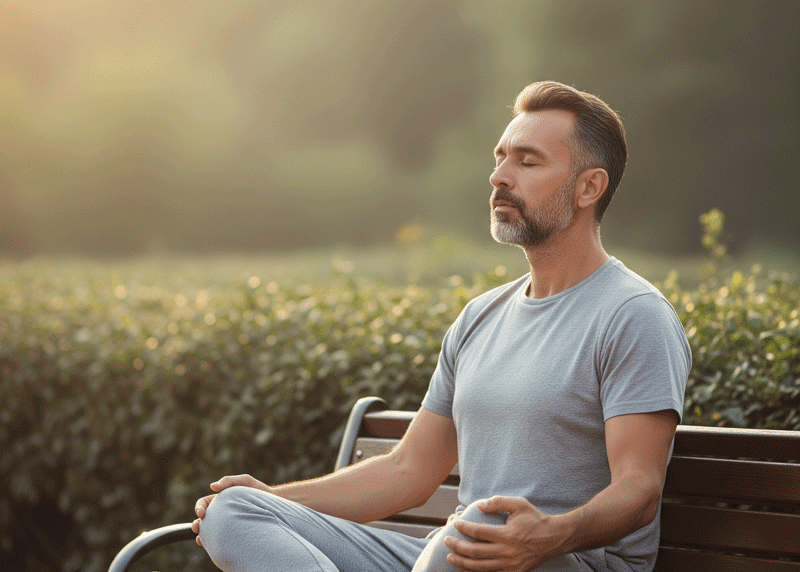
Slow breathing can help reduce stress-related physical arousal, which may support healthier blood pressure over time. Deep breathing exercises for lowering blood pressure work by helping the body shift out of a stress-dominant state and into a calmer state.
When you breathe slowly and comfortably, your heart rate often decreases and your body tension drops. This can be especially helpful for people whose blood pressure is affected by stress, poor sleep, or constant mental overload.
Try this simple paced breathing routine:
- Sit comfortably with your shoulders relaxed.
- Inhale through your nose for 4 to 5 seconds.
- Exhale slowly through your nose or mouth for 5 to 7 seconds.
- Continue for 5 to 10 minutes.
- Stop if you feel lightheaded and return to normal breathing.
This practice can complement, not replace, medical advice, medication, exercise, sleep improvement, and nutrition changes. If you have high blood pressure, keep working with your healthcare provider.
Deep Breathing Exercises for Anger and Emotional Control
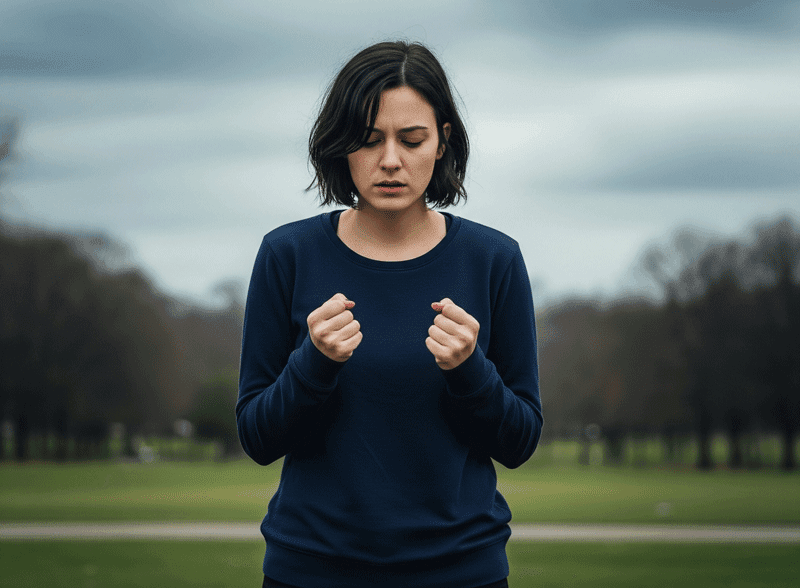
Anger changes the body fast. Your heart rate rises, muscles tense, and breathing becomes short and reactive. In these moments, deep breathing exercises for anger can act like a pause button.
The goal is not to suppress emotion. The goal is to reduce physical reactivity so you can respond more clearly instead of reacting impulsively.
Try this quick reset:
- Pause and create space, even for 30 seconds
- Inhale through your nose for 4 seconds
- Hold gently for 2 to 4 seconds
- Exhale slowly for 6 to 8 seconds
- Repeat 4 to 8 rounds
Longer exhales are especially useful because they tend to reduce body tension and help you regain control faster. You can also combine breathing with a short walk, stretching, or journaling after the trigger passes.
Deep Breathing Exercises for Atelectasis
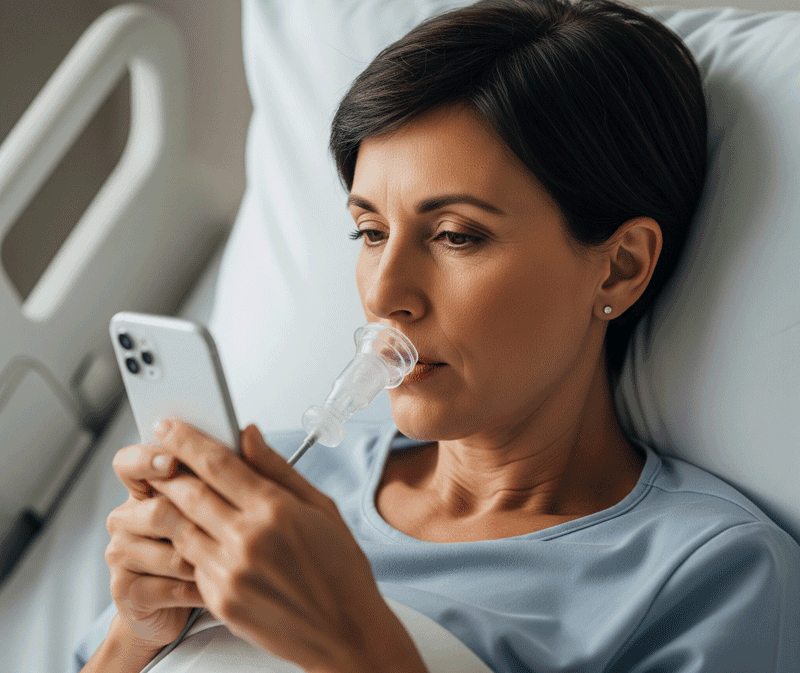
Atelectasis is a medical condition in which part of the lung does not fully expand. It can happen after surgery, with prolonged bed rest, or with certain lung conditions. In these situations, breathing exercises may be part of a clinician-guided recovery plan.
Deep breathing exercises for atelectasis are often used to support lung expansion and reduce the risk of complications, especially after surgery. A common hospital tool is an incentive spirometer, which helps patients take slow, deep breaths with feedback.
General recovery breathing practices may include:
- Sitting upright
- Taking slow, deep breaths through the nose
- Holding briefly (if instructed by a clinician)
- Exhaling slowly, sometimes through pursed lips
- Repeating at intervals recommended by your care team
Important: if you are recovering from surgery, have chest pain, have worsening shortness of breath, or suspect atelectasis, follow your doctor’s instructions. This section is educational and should not replace medical advice.
3 Simple Deep Breathing Exercises You Can Start Today
If you are new to breathwork, start with one of these deep breathing exercises and practice for just a few minutes each day.
1. Belly Breathing (Beginner-Friendly)
- Place one hand on your chest and one on your belly.
- Inhale slowly through your nose.
- Let your belly rise more than your chest.
- Exhale slowly through your mouth or nose.
- Repeat for 2 to 5 minutes.
2. Box Breathing (For Focus and Calm)
- Inhale for 4 seconds.
- Hold for 4 seconds.
- Exhale for 4 seconds.
- Hold for 4 seconds.
- Repeat for 4 to 8 rounds.
3. 4-7-8 Breathing (For Relaxation Before Sleep)
- Inhale through your nose for 4 seconds.
- Hold for 7 seconds.
- Exhale slowly for 8 seconds.
- Repeat for 4 rounds at first.
If holding your breath feels uncomfortable, shorten the counts. Comfort and consistency matter more than strict timing.
Common Mistakes to Avoid During Deep Breathing Exercises
Breathing exercises are simple, but a few mistakes can make them less effective or uncomfortable.
- Breathing too forcefully: deep breathing should feel controlled, not aggressive.
- Overbreathing: very fast or very deep breathing can cause lightheadedness.
- Tensing the shoulders: keep the jaw, neck, and shoulders relaxed.
- Only using it during emergencies: daily practice improves results.
- Ignoring warning signs: stop and seek medical care if symptoms feel severe or unusual.
When Deep Breathing Exercises May Not Be Enough
Deep breathing exercises are helpful for stress and emotional regulation, but they are not a replacement for medical care. Get professional evaluation if you have persistent shortness of breath, chest pain, fainting, severe anxiety, panic attacks, or any symptom that feels new or concerning.
If you have asthma, COPD, heart disease, or are recovering from surgery, use breathing practices under guidance when appropriate.
Conclusion
Deep breathing exercises are one of the easiest ways to create instant calm and improve how your body responds to stress. Whether you are dealing with anxiety, anger, high stress, or simply want a better daily reset, a few minutes of guided breathing can help you feel more in control.
Start small, practice consistently, and choose one technique that feels comfortable. Over time, these simple breathing habits can become a powerful tool for mental clarity, emotional balance, and everyday well-being.