






Stress breathing problems can feel scary because breathing is supposed to be automatic. When stress rises, the body may breathe faster, tighten the chest, tense the shoulders, or make every breath feel like something you need to control.
Stress can contribute to shortness of breath, chest tightness, sighing, shallow breathing, throat tightness, and a sense of not getting a satisfying breath. But breathing symptoms should never be dismissed automatically as stress. Heart, lung, allergy, infection, medication, anemia, and other medical issues can also affect breathing.
This guide explains how stress can affect breathing, what signs to watch, which calming steps may help, and when to get medical attention.
Can Stress Cause Breathing Problems?
Yes, stress can affect breathing. When the body senses pressure or threat, it can shift into a fight-or-flight state. Heart rate rises, muscles tense, and breathing may become faster or shallower. This response is useful in real danger, but it can feel uncomfortable when it happens during work, school, conflict, traffic, financial worries, or anxious thoughts.
Many people then start monitoring their breath closely. That extra attention can make the sensation feel stronger. You notice a tight breath, worry about it, breathe harder, and the cycle continues.
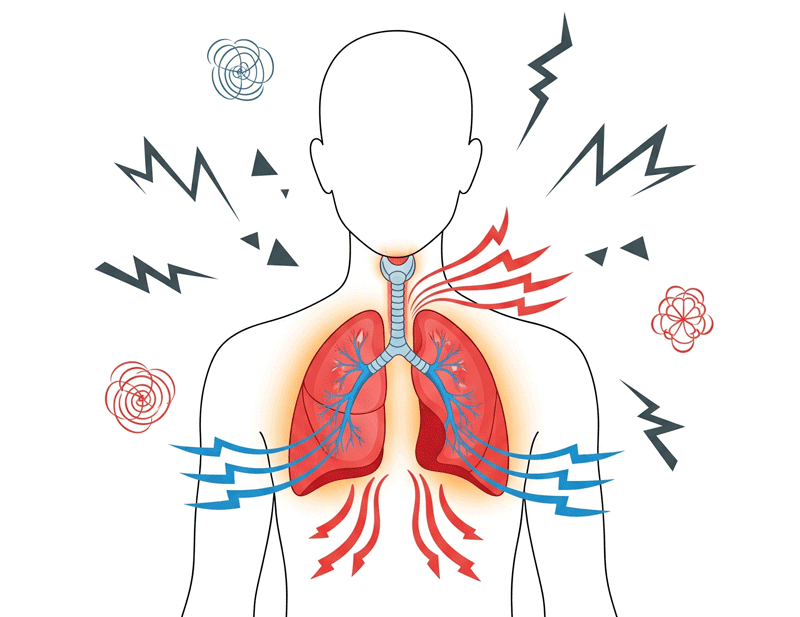
Common Stress Breathing Symptoms
- Shortness of breath during stress or worry.
- Chest tightness without clear exertion.
- Fast, shallow breathing.
- Frequent sighing or yawning.
- A feeling that you cannot get a full breath.
- Tightness in the throat, jaw, shoulders, or upper chest.
- Lightheadedness when breathing too quickly.
- Breathing that improves when attention shifts or the body relaxes.
These symptoms can overlap with medical conditions, which is why context matters. If symptoms are new, intense, recurring, or linked with exertion, illness, chest pain, fainting, wheezing, or blue lips, do not assume stress is the only cause.
How Stress Changes the Breath
Stress often pulls breathing upward into the chest. The shoulders rise, the neck tightens, and the diaphragm does less of the work. Breaths become smaller but more frequent. This can create a sense of air hunger even when oxygen levels may be normal.
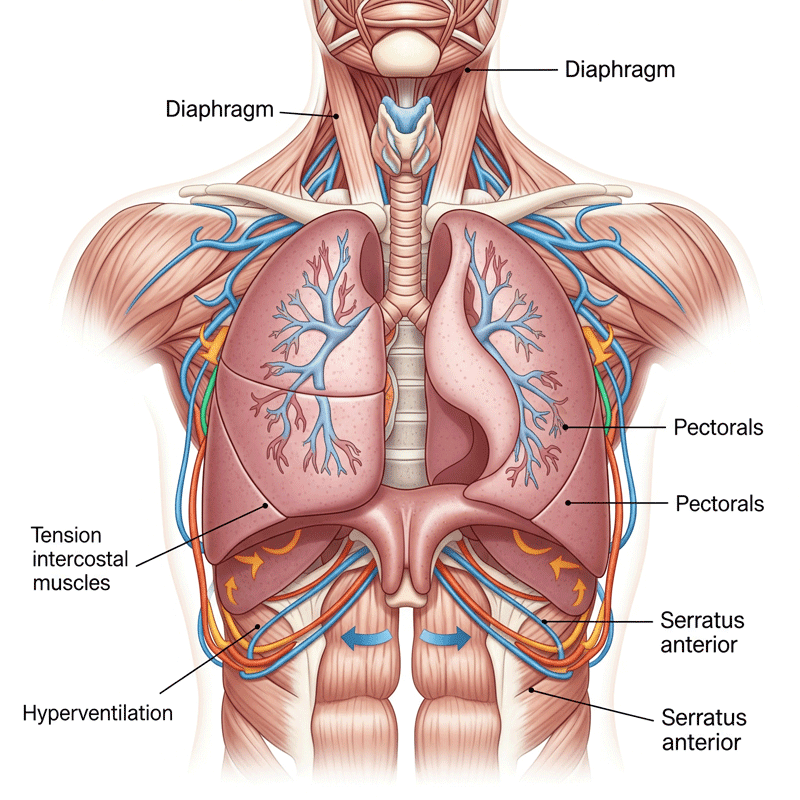
Over-breathing can also cause lightheadedness, tingling, or a floating feeling in some people. That can be frightening, which adds more stress. The way out is usually not a huge deep inhale. It is a slower, gentler rhythm with a relaxed exhale.
What to Do in the Moment
When breathing feels stress-related and there are no emergency symptoms, start by reducing effort. Sit upright, loosen tight clothing, drop the shoulders, unclench the jaw, and place one hand on the lower ribs. Inhale gently through the nose if comfortable, then exhale slowly through the mouth.
Try a longer exhale pattern: inhale for three or four counts, exhale for five or six counts, and repeat for one to three minutes. If counting makes you tense, use the words “in” and “out” instead. The goal is not perfect technique. The goal is to interrupt the panic-breathing loop.
For more options, see deep breathing exercises for instant calm.
When Breathing Exercises Help
| Situation | Helpful approach | Why |
|---|---|---|
| Before a stressful event | Two minutes of longer-exhale breathing | Settles the body before stress peaks |
| Racing thoughts at night | Gentle 4-7-8 or shorter variation | Gives the mind a rhythm to follow |
| Anger or conflict | Slow exhale before responding | Creates a pause before reaction |
| Work pressure | Stand, relax shoulders, breathe slowly | Reduces tension from sitting and screen stress |
7 Essential Facts About Stress Breathing Problems
1. Stress breathing feels real because it is real. Even when anxiety is involved, the body sensations are not imaginary. Muscles tighten, breathing changes, and the nervous system reacts.
2. A big breath is not always the answer. Forcing deep inhalations can make lightheadedness worse. A slow exhale is often more useful.
3. Posture matters. Hunched shoulders and tight abdominal muscles can make breathing feel restricted. Sitting tall and relaxing the jaw can help.
4. Caffeine and poor sleep can amplify symptoms. They do not cause every breathing problem, but they can make the body easier to trigger.
5. Avoidance can grow the fear. If you avoid every activity that makes you notice breathing, the fear may spread. Gentle exposure with professional guidance may help when anxiety is persistent.
6. Medical checks are not weakness. If symptoms worry you, getting checked can reduce uncertainty and catch problems early.
7. Practice works best before panic. Breathing exercises are easier when practiced on calm days, not only during intense stress.

When to Get Medical Attention
Get urgent help if breathing trouble is severe, sudden, or paired with chest pain, fainting, blue lips, confusion, severe wheezing, coughing blood, or symptoms after an injury. Also take breathing changes seriously if they happen with exertion, fever, leg swelling, known heart or lung disease, or a new medication.
The American Lung Association lists warning signs that should not be ignored, including chronic cough, shortness of breath, wheezing, and chest pain. You do not need to panic, but you also should not self-diagnose every breathing issue as stress.
Long-Term Prevention
Long-term improvement usually comes from reducing the baseline stress load. Sleep, movement, hydration, regular meals, breaks from screens, therapy, journaling, and boundaries all help some people. The right mix depends on what is driving the stress.
If nighttime stress is the main problem, you may also like 4-7-8 breathing before sleep. If anxiety or panic is frequent, professional support can teach breathing, grounding, and cognitive tools together.
What Not to Do
Do not repeatedly test your breathing all day by taking huge breaths. That can keep the fear active. Do not search symptoms for hours if it makes panic worse. Do not avoid all movement forever because one stressful episode made breathing feel strange. And do not ignore warning signs just because you are under stress.
A balanced response is better: check for red flags, use a calming technique if symptoms fit stress, and follow up with a clinician if the pattern keeps returning. This avoids both extremes: panic over every sensation and dismissal of symptoms that deserve attention.
A Daily Reset Plan
For mild stress-related breathing tension, try a daily reset for one week. Once in the morning and once in the evening, sit comfortably and breathe with a longer exhale for two minutes. Then relax the shoulders and name one practical next step for the day or evening. The combination of breath and action helps because stress often needs both physical calming and a clear next move.
If the plan helps, keep it. If it does not, adjust it. Some people respond better to walking, stretching, journaling, therapy, or reducing caffeine. The right solution is the one that lowers the overall stress load without turning breathing into another thing to worry about.
How to Talk About It With a Doctor
If you decide to get checked, bring specific notes. Write when the breathing problem happens, how long it lasts, what you were doing, whether it appears with exercise, and what symptoms come with it. Mention chest pain, wheezing, cough, dizziness, fainting, fever, medications, anxiety history, and any known heart or lung conditions.
Clear notes help the appointment. They also reduce the pressure to remember everything while you are worried. Even if stress is part of the pattern, better information makes it easier to choose the right next step.
Sort Stress Breathing From Red-Flag Breathing
Stress can make breathing feel tight, fast, shallow, or unsatisfying. Still, it is not safe to assume every breathing problem is stress. The useful first step is separating familiar anxiety-linked patterns from symptoms that need urgent medical attention.
- More likely stress-related: it appears during worry, improves with calming, and has happened before in similar situations.
- Get medical help: breathing trouble is new, severe, worsening, or comes with chest pain, fainting, blue lips, confusion, or injury.
- Do not force breathing drills: stop if a technique makes dizziness, panic, or air hunger worse.
- Track context: note sleep, caffeine, exercise, illness, medications, and triggers before discussing it with a clinician.
This is general educational health information, not a diagnosis or treatment plan.
Bottom Line
Stress can cause breathing problems by making the breath faster, tighter, shallower, and easier to notice. Slow exhale breathing, relaxed posture, and gentle practice can help break the stress-breathing cycle.
Still, breathing symptoms deserve respect. Use calming tools when symptoms match stress and are mild, but get medical help for severe, new, worsening, or unexplained breathing problems.
Breathing can calm an acute stress loop, but sleep recovery is a wider system; sleep quality science covers how rest quality is actually supported.
Health note: These ideas are general wellbeing information, not medical advice. If breathing, sleep, anxiety, pain, or other symptoms are severe, persistent, or unusual, speak with a qualified clinician.