




Deep breathing exercises are simple techniques that use slower, more intentional breathing to help the body settle. They can be useful when stress rises, attention feels scattered, anger builds, or the body feels tense after a long day.
Breathing exercises are not a cure for every problem, and they should not replace medical care for chest pain, severe shortness of breath, fainting, or ongoing breathing symptoms. But for everyday stress, they are one of the easiest calming tools to practice because they require no equipment and can be done almost anywhere.
This guide explains how deep breathing works, which techniques to try, when to use them, and how to avoid common mistakes.
What Are Deep Breathing Exercises?
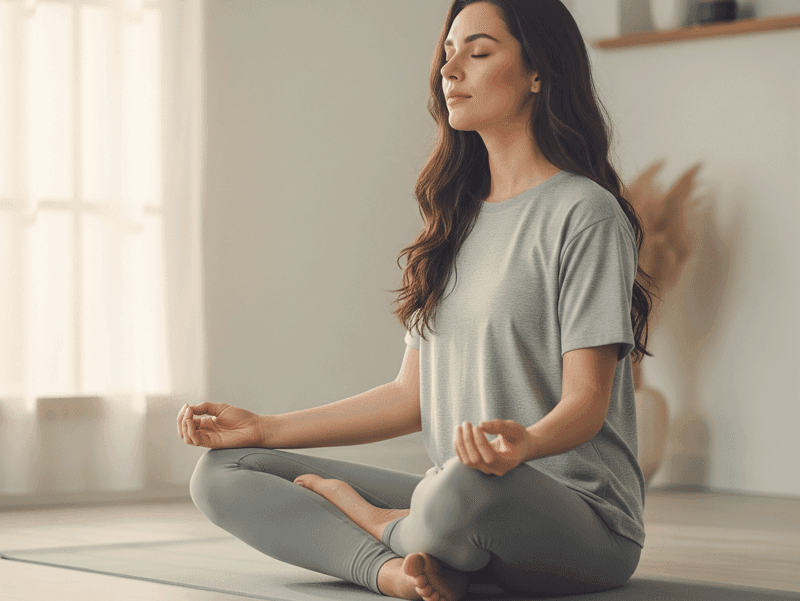
Deep breathing exercises are structured ways of slowing the breath and making exhalation more relaxed. Many people breathe shallowly when stressed, especially from the upper chest. Deep breathing encourages the diaphragm and lower ribs to move more naturally, which can help the body shift away from a high-alert state.
The goal is not to force huge breaths. In fact, over-breathing can make some people feel lightheaded. The goal is slow, comfortable breathing with a steady rhythm.
Why Breathing Can Calm the Body
Stress often changes breathing before we notice it. The breath may become faster, shallower, or irregular. That can make the body feel even more anxious because the physical signal and the emotional state start feeding each other.
Slow breathing gives the body a different signal. A longer, relaxed exhale can help reduce the sense of urgency. It also gives the mind something simple to follow, which is useful when thoughts are moving too quickly.
The NCCIH overview of relaxation techniques includes breathing-focused relaxation among common approaches used for stress. That does not mean every method works for everyone, but it supports the practical idea that breathing can be part of a calming routine.
1. Belly Breathing
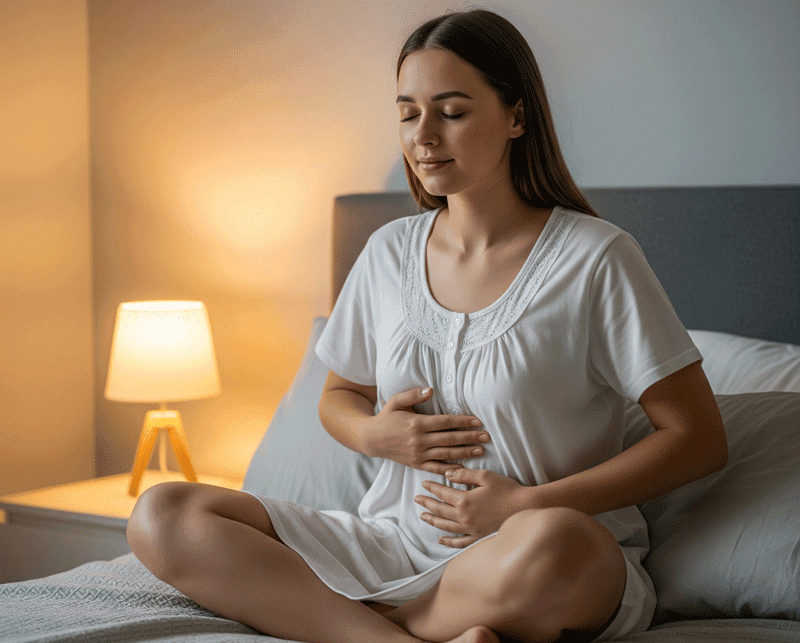
Belly breathing, also called diaphragmatic breathing, is a good starting point. Sit or lie down comfortably. Place one hand on the chest and one hand on the belly. Inhale through the nose and let the lower ribs and belly expand gently. Exhale slowly and let the body soften.
Try five slow breaths. If the chest hand moves more than the belly hand, do not force it. Just reduce effort and let the breath move lower over time. The technique should feel like easing into a rhythm, not like pushing air into the body.
2. Box Breathing
Box breathing uses four equal parts: inhale, hold, exhale, hold. A common pattern is four counts for each part. Inhale for four, hold for four, exhale for four, and hold for four. Repeat for one to three minutes.
This method works well when the mind needs structure. Counting gives attention a clear track. If holding the breath feels uncomfortable, shorten the count or skip the holds. Comfort matters more than matching a perfect number.
3. Longer Exhale Breathing
This is one of the easiest techniques for daily stress. Inhale for four counts and exhale for six counts. Repeat slowly. The longer exhale is the focus because many people unintentionally inhale more than they exhale when tense.
If six counts feels too long, use three and five. If counting makes you tense, use words instead: “in slowly” and “out softer.” The best version is the one you can repeat without strain.
4. 4-7-8 Breathing
4-7-8 breathing uses an inhale for four counts, a hold for seven counts, and an exhale for eight counts. Some people like it before sleep because the long exhale creates a clear slowdown. Others find the hold too intense.
If you are new to breathwork, practice gently. You can shorten it to 3-4-6 or 4-4-6. For a full guide, see the 4-7-8 breathing technique.
5. Pursed-Lip Breathing
Pursed-lip breathing is often used to slow the exhale. Inhale gently through the nose, then exhale through pursed lips as if cooling soup. Keep the exhale slow and controlled. This can be helpful when breathing feels rushed, but anyone with ongoing breathing problems should follow medical guidance.
The important part is not force. Do not blow hard. Let the exhale become smooth and longer than the inhale.
When to Use Deep Breathing
- Before a difficult conversation.
- After a stressful email or message.
- Before studying, writing, or focused work.
- When anger starts to build.
- Before sleep, if racing thoughts are active.
- During a short break from screens.
- After exercise, once breathing is safe and comfortable.
Breathing works best when practiced before stress is extreme. If you only try it during the worst moment, it may feel awkward. A few calm practice sessions make the technique easier to use when you need it.
Common Mistakes
| Mistake | Why it backfires | Better approach |
|---|---|---|
| Breathing too deeply | Can cause lightheadedness or tension | Use smaller, slower breaths |
| Forcing the belly | Makes the exercise feel unnatural | Let the lower ribs move gently |
| Expecting instant calm | Creates frustration | Use it as a reset, not a magic switch |
| Holding too long | Can increase discomfort | Shorten counts or remove holds |
When to Get Help
Deep breathing is for everyday regulation. It is not the right response to emergency symptoms. Seek urgent medical help for chest pain, blue lips, fainting, severe shortness of breath, confusion, or breathing trouble that is new, intense, or worsening.
If anxiety, panic, or breathing discomfort is frequent, talk with a qualified professional. Learning breathing skills can help, but recurring symptoms deserve proper evaluation.
How to Build a Breathing Habit
Breathing exercises work better when they are practiced before a stressful moment. Choose one small anchor in the day: after waking, before lunch, before opening email, after studying, or before sleep. Practice for one or two minutes. That is enough to make the technique familiar.
Keep the habit simple. Pick one exercise for a week instead of trying five methods every day. Longer-exhale breathing is a good default because it is easy to remember and does not require breath holds. Once it feels natural, you can add box breathing, belly breathing, or 4-7-8 breathing when they fit the situation.
What Deep Breathing Should Feel Like
A useful breathing exercise usually feels steady, quiet, and slightly slower than normal. The face softens. The shoulders drop. The exhale becomes smoother. You may not feel instantly peaceful, but you should not feel more strained.
If an exercise makes you dizzy, tense, or uncomfortable, stop and return to normal breathing. Shorten the counts next time. Some people prefer grounding exercises, walking, stretching, or talking with someone instead. Breathing is a tool, not a test you have to pass.
Pair Breathing With a Small Action
Breathing is most useful when it helps you return to life, not when it becomes another thing to monitor. After one or two minutes of slow breathing, choose a small next action: send the message, open the book, wash the cup, step outside, or prepare for bed. This teaches the body that calm is followed by movement, not endless checking.
For studying or work, try breathing before the first focus block. For anger, breathe before replying. For sleep, breathe after the lights are low and the phone is away. The same technique can support different moments when it is attached to a clear routine.
Choose the Exercise by the Moment
Deep breathing works best when the technique matches the situation. A calming break at a desk, a tense moment before sleep, and breathlessness during illness or exertion are not the same problem.
- For quick calm: try a slow exhale pattern and keep the breath comfortable.
- For body awareness: use belly breathing without forcing a giant inhale.
- For racing thoughts: pair breathing with one small action, such as lowering your shoulders or closing one tab.
- For warning symptoms: do not use breathing exercises as a substitute for medical help.
This is general educational health information, not a diagnosis, treatment plan, or emergency guidance.
- If breathing trouble feels intense, unusual, or hard to explain, compare it with stress breathing problems.
Bottom Line
Deep breathing exercises are simple, low-cost tools for calming the body and returning attention to the present moment. Belly breathing, box breathing, longer-exhale breathing, 4-7-8 breathing, and pursed-lip breathing all give you different ways to slow down.
Use them gently. Keep the breath comfortable. Practice when you are calm so the skill is easier to use when stress rises.
If the main goal is better nights rather than a quick reset, start with sleep quality science before chasing sleep-tracking scores.
Health note: These ideas are general wellbeing information, not medical advice. If breathing, sleep, anxiety, pain, or other symptoms are severe, persistent, or unusual, speak with a qualified clinician.