




Ever look at something ready for the trash and see something else entirely? That old wooden crate becoming a stylish shelf, or those empty glass bottles transforming into elegant vases? That’s the magic of upcycling. It’s not just a trend; it’s a smart, sustainable way to live, adding character to your home while reducing what ends up in landfills. We’re talking about creative waste transformation that genuinely elevates your space and helps the planet. Ready to turn your ‘trash’ into treasure?
TL;DR
- Upcycling is about transforming old items into new, useful, or beautiful things.
- It significantly reduces waste and your environmental footprint.
- You don’t need special skills; start with simple repurposed household items.
- Upcycling saves money and adds unique character to your home.
- It’s a creative way to engage with eco-friendly DIY crafts.
- Even small projects contribute to a more sustainable lifestyle.
What Exactly is Upcycling?
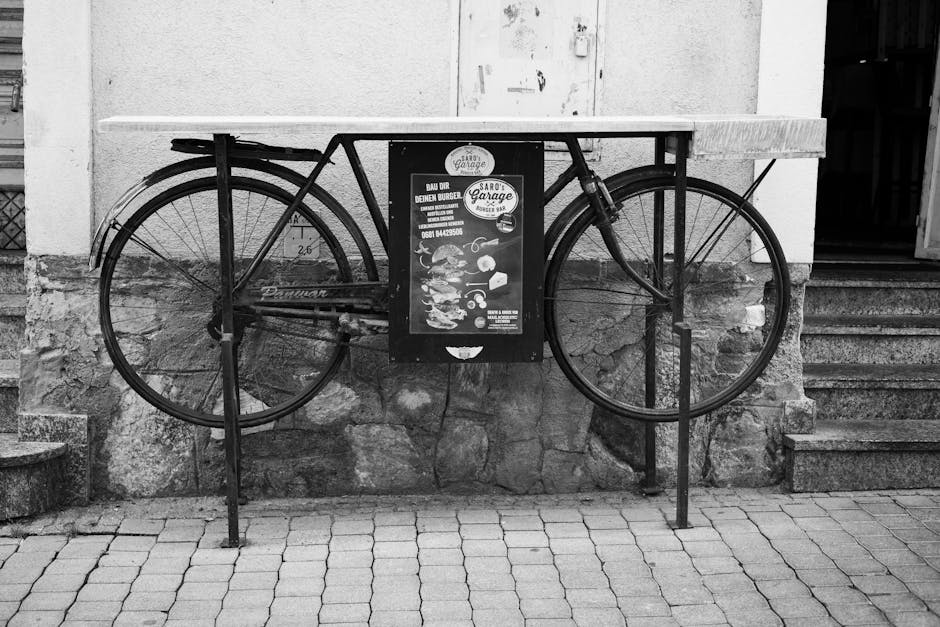
Upcycling is different from recycling. Recycling breaks down materials to make new ones, often using energy. Upcycling, on the other hand, takes an item as is and gives it a new purpose or a higher value, usually with minimal processing. Consider it a creative glow-up for everyday objects. It’s about seeing potential where others see waste, giving items a second life rather than letting them contribute to landfill mountains. This kind of creative waste transformation is a win-win: good for your wallet, good for your home, and great for the Earth.
Why Sustainable Upcycle Projects Matter More Than Ever
Our consumption habits mean we produce an enormous amount of waste. Upcycling directly tackles this problem. By choosing to breathe new life into an old item, you’re not just decluttering; you’re actively reducing demand for new goods, saving resources, and lessening landfill burden. It’s a powerful statement against disposability. Every item you transform is one less piece of trash and one less new purchase, making it a cornerstone of eco-friendly living. It’s a tangible way to practice sustainable habits in everyday life.
Getting Started: Simple Upcycling for Your Home
You don’t need to be an expert crafter to start. Many fantastic upcycling projects are straightforward and require basic tools. The key is looking at what you already have with fresh eyes.
- Pro-Tip: Start with glass jars and bottles. They can become anything from spice containers to elegant candle holders or propagation stations for plants. A quick clean, maybe some paint, and you’re good to go.
- Common Pitfall: Don’t try to tackle overly complex projects first. This can lead to frustration and giving up. Begin with small, manageable repurposed household items.
- Pro-Tip: Old wooden pallets can be dismantled and repurposed into coffee tables, garden planters, or even bed frames. Just be sure to check their history to ensure they haven’t carried chemicals.
Consider clothing, too. That old pair of jeans with a hole? Cut them into stylish shorts or even quilt squares. An old t-shirt can become reusable shopping bags or cleaning rags. These eco-friendly DIY crafts are practical and fun.
Beyond the Basics: Taking Your Creativity Further
Once you get a feel for the basics, you’ll start seeing potential everywhere.
- Pro-Tip: Look for discarded furniture. A tired dresser might just need sanding, painting, and new hardware to become a stunning entryway piece. Old chairs can be reupholstered or even transformed into unique garden art.
- Common Pitfall: Hoarding too many items ‘just in case’ can lead to clutter. Be selective. Only take on projects you genuinely have time and space for.
- Pro-Tip: Empty tires, when cleaned and painted, can become unique outdoor seating or planters. Old suitcases can be stacked and used as quirky storage or even turned into pet beds.
This is where the true creative waste transformation happens, turning forgotten items into focal points.
Real-World Impact on Your Life and Home
The benefits of sustainable upcycle projects extend far beyond just diverting waste.
Firstly, it’s a budget-friendly way to decorate and furnish your home. Why buy new when you can create something unique and personal for a fraction of the cost? This means more money in your pocket for other things that matter.
Secondly, upcycling gives your home a unique personality. Mass-produced items often lack soul. A piece you’ve transformed tells a story, adds character, and becomes a conversation starter. It’s an expression of your creativity and values.
Lastly, it’s incredibly satisfying. There’s a real sense of accomplishment in taking something destined for the landfill and turning it into something beautiful and functional. It fosters a deeper connection to your belongings and encourages a more mindful approach to consumption. It’s a positive ripple effect, showing how small sustainable habits can make a big difference.
Common Misconceptions
- Upcycling is only for ‘crafty’ people. Anyone can upcycle. Many projects require very little artistic skill, just a willingness to try and a bit of creativity.
- Upcycled items always look homemade or cheap. With a little care and attention, upcycled items can look professional, stylish, and high-end, often surpassing the quality of new, mass-produced goods.
- It takes too much time and effort. While some projects are time-consuming, many are quick and simple, easily completed in an afternoon. You decide the scale of your project.
- Upcycling means you have to collect a lot of junk. Not at all. It’s about being selective and seeing potential in items you or others might otherwise discard, often focusing on pieces that resonate with your style.
FAQs
- Q: What’s the difference between upcycling and recycling?
A: Recycling breaks down materials (like plastic bottles) to create new raw materials. Upcycling transforms an item into something new and often more valuable, without breaking it down, like turning a wine bottle into a candle holder. - Q: How do I find items to upcycle?
A: Look around your home first! Then explore thrift stores, garage sales, flea markets, or even your local community’s ‘free’ or ‘buy nothing’ groups. Friends and family might also have items they’re looking to discard.
Next Steps
- Start small: Pick one item in your home you were going to discard and brainstorm three new uses for it.
- Gather inspiration: Browse online platforms like Pinterest or Instagram for ‘sustainable upcycle projects’ to spark ideas.
- Identify your tools: What basic tools do you already have? What might you need for your first simple project?
- Give it a go: Don’t fear imperfections. The beauty of upcycling is in the transformation and the story behind it.
- Share your creations: Inspire others by sharing your upcycled projects with friends, family, or online communities.