





We’re always looking for better ways to power our lives. From solar panels on roofs to wind farms changing skylines, the hunt for clean, reliable energy is a big deal. But what if the next big thing wasn’t a giant power plant or acres of solar arrays, but something much smaller, closer to home, and incredibly powerful? Welcome to the world of micro nuclear power. It might sound like science fiction, but these compact energy generators are quickly becoming a very real part of tomorrow’s energy puzzle, promising a steady, efficient supply right where it’s needed most.
TL;DR
- Micro nuclear power uses small, self-contained reactors for local energy.
- They offer clean, reliable, and always-on electricity.
- These advanced microreactors are designed with enhanced safety features.
- They support decentralized energy solutions, reducing grid reliance.
- Micro nuclear power could revolutionize how communities and industries get their energy.
- Deployment is still in the early stages but shows great promise.
What is Micro Nuclear Power?
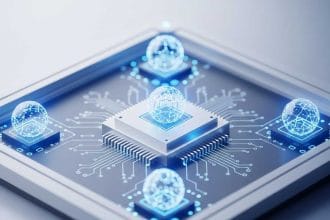
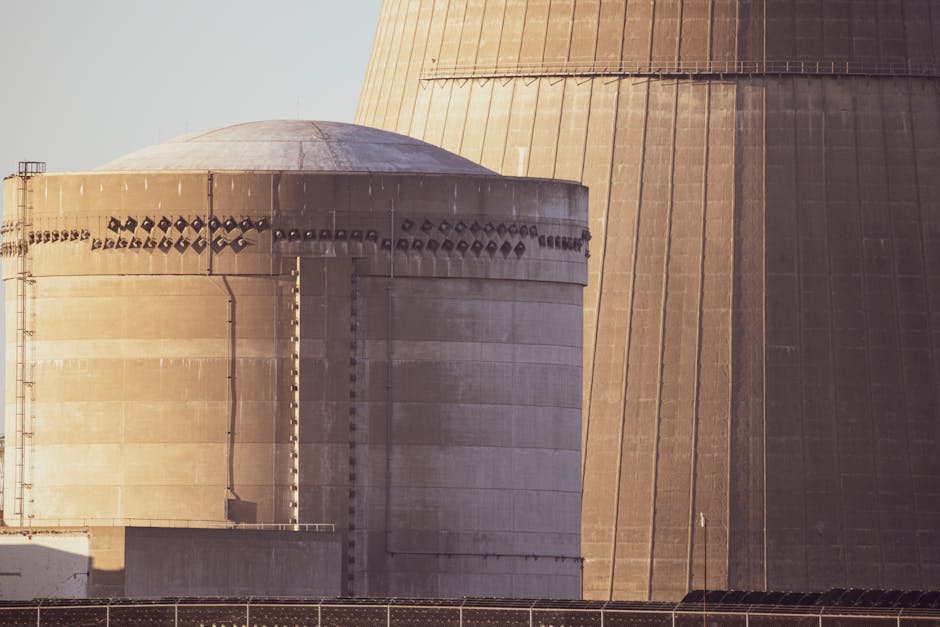
When you hear ‘nuclear power,’ your mind probably jumps to massive cooling towers and sprawling facilities. Micro nuclear power is a completely different beast. Consider it nuclear energy on a diet – much smaller, much more flexible, and designed for a specific purpose: providing clean, steady power right where it’s needed. These aren’t scaled-down versions of old reactors; they’re a new generation of small modular reactors (SMRs) and advanced microreactors built from the ground up with safety and efficiency in mind.
These advanced microreactors are compact, often no bigger than a small house or even a shipping container. They’re designed to be factory-built, then shipped to their location. This modular approach makes them quicker to deploy and more cost-effective than traditional large-scale plants. The magic is in their self-contained nature and sophisticated safety systems, many of which are ‘passive’ – meaning they rely on natural laws like gravity and convection to shut down safely without human intervention or external power, even in an emergency. This design philosophy is a huge leap forward, making them inherently safer and easier to manage.
Unlike massive power plants that pump out gigawatts for millions, micro nuclear units are typically designed for megawatts – enough to power a small town, a large industrial complex, or a military base. They use specially designed fuel that can’t be easily modified, adding another layer of security. This shift to smaller, self-contained units marks a profound change in how we think about nuclear energy, moving it from the distant mega-plant model to something that can integrate directly into local grids or operate completely independently.
- Pro-Tip: Don’t confuse micro nuclear with traditional reactors. These are inherently different in size, design, and safety protocols, focusing on local, distributed power.
- Common Pitfall: Assuming microreactors use the same fuel and technology as old plants. Modern advanced microreactors use new fuel forms and passive safety systems for improved performance and security.
Why Micro Nuclear for Your Home or Community?
So, why should you care about these tiny powerhouses? Imagine an energy source that doesn’t rely on the sun shining or the wind blowing. That’s what micro nuclear offers: ‘always-on’ power. It’s not intermittent; it generates electricity consistently, 24/7, regardless of weather conditions or time of day. This reliability is a great help, especially for critical infrastructure, remote communities, or even for industries that need an absolutely stable power supply.
Beyond reliability, these small modular reactors are a clean energy solution. They produce electricity without burning fossil fuels, meaning no greenhouse gas emissions during operation. This makes them a powerful tool in the fight against climate change, complementing renewables by filling in the gaps when they can’t produce power. They create very little waste compared to other energy sources, and that waste is safely contained and managed.
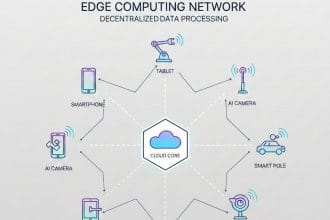
One major advantages is their potential to create decentralized energy solutions. Instead of relying on a single, massive grid that’s vulnerable to disruptions (think power outages during storms or cyberattacks), micro nuclear power can create localized energy hubs. A small reactor could power a university campus, a data center, a military base, or even a small town, making that community much more resilient and energy independent. It’s about bringing power generation closer to the consumption, reducing transmission losses and improving overall energy security.
- Pro-Tip: Think of micro nuclear as a powerful complement to renewable energy. It provides base-load power when solar and wind aren’t available, creating a stable, diverse energy mix.
- Common Pitfall: Expecting a microreactor in your backyard next year. While decentralized, these are community or industrial scale, not typically for individual homes, though they power many homes collectively.
Real-World Impact
The impact of micro nuclear power goes far beyond just providing electricity. For communities, especially those in remote areas or those prone to natural disasters, an independent microreactor can mean the difference between lights on and lights out during a crisis. It offers energy resilience, ensuring essential services like hospitals, emergency centers, and communication networks remain operational.
For industry, a stable, carbon-free power source can mean lower operating costs and a reduced environmental footprint. Think about factories or large data centers that need constant, high-quality power – micro nuclear advanced microreactors could be their answer, allowing them to operate more efficiently and sustainably. This technology also opens doors for new economic development in regions that might otherwise struggle with energy access.
The ripple effect could transform our energy landscape. We’re moving towards a future where energy isn’t just sourced from a few giant locations but from a network of diverse, localized power generators. This distributed approach makes the entire energy system more robust and adaptable. While we’re talking about nuclear power here, it’s worth noting the broader scientific exploration into harnessing atomic forces. For example, understanding how nuclear fusion explained simply works shows us other incredible pathways scientists are exploring to generate clean energy, pushing the boundaries of what’s possible.
Common Misconceptions
- Micro nuclear power is just big nuclear power in a smaller box. These are distinct, next-generation designs with enhanced passive safety systems and different operational philosophies.
- They will be installed in every single home. Microreactors are designed for communities, industrial sites, or military bases, powering multiple homes or critical infrastructure, not individual residential units.
- The waste problem is insurmountable. Microreactors produce significantly less waste than traditional plants, and this waste is highly contained, often designed for longer on-site storage before final disposal solutions.
- They are unsafe and prone to meltdowns. Advanced microreactors are engineered with inherent safety features that prevent meltdowns, often relying on natural physical principles to shut down safely even without human intervention or external power.
Next Steps
- Stay Informed: Follow reputable energy news sources and government energy initiatives to track the progress of micro nuclear technology.
- Support Research: Advocate for continued research and development in advanced energy solutions, including small modular reactors.
- Engage Locally: Understand your local energy grid and how new technologies like decentralized energy solutions could benefit your community.
- Learn More: Dive deeper into the science behind advanced microreactors to better understand their benefits and safety features.