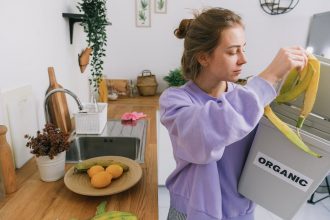





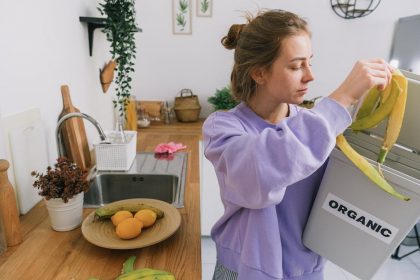
It’s easy to look at our overflowing kitchen bins and feel a bit helpless. All those food scraps, coffee grounds, and fruit peels – they just vanish into the trash, heading for a landfill. But what if you could intercept them? What if you could turn that waste into something genuinely valuable, right in your own home? That’s exactly what indoor composting lets you do. It’s a foundational step for anyone looking to live a bit greener, even if you’re in an apartment with no yard. Consider it home organic recycling, a simple way to give back to the earth, one banana peel at a time.
TL;DR
- Indoor composting drastically cuts down kitchen waste sent to landfills.
- You can create nutrient-rich soil right at home, even without a garden.
- Vermicomposting (worm bins) and Bokashi are popular, effective indoor methods.
- It’s easier and less smelly than you might think with the right setup.
- Composting fosters a greater awareness of your food consumption and waste.
- It’s a simple, powerful step towards a more sustainable lifestyle.
Why Compost Indoors? Not only Trash
Let’s face it: our kitchen waste often feels like a problem with no good solution. Bag it, bin it, forget it. But that ‘forgetting’ comes at a cost. When organic matter like food scraps rots in a landfill, it produces methane, a potent greenhouse gas that contributes to climate change. By choosing to compost indoors, you’re not just moving a banana peel from one bin to another; you’re actively redirecting a valuable resource away from environmental harm.
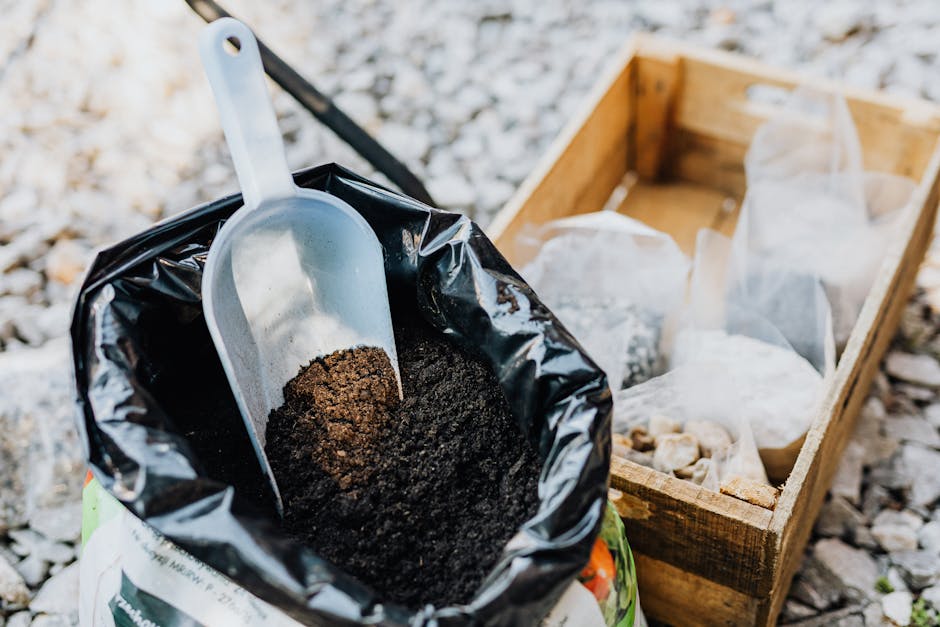
Beyond the big picture, there are immediate, personal benefits. You’ll notice your main trash bin fills up much slower. That means fewer trips to the curb and less stinky garbage waiting around. Plus, you get to create something genuinely useful: nutrient-rich compost, often called ‘black gold.’ Even if you don’t have a sprawling garden, this finished compost can nourish houseplants, patio containers, or be shared with community gardens. It’s apartment composting made simple, closing the loop on your daily food waste.
Choosing Your Indoor Compost Method
For home organic recycling inside, there are a couple of popular, user-friendly methods. Each has its quirks and benefits, so picking the right one depends on your space and how hands-on you want to be.
Vermicomposting: Your Wormy Allies
This is probably the most well-known method for indoor composting. Vermicomposting uses specific types of worms, usually red wigglers, to break down your food scraps. These little guys are incredibly efficient, munching through waste and leaving behind nutrient-dense ‘castings’ – essentially super-fertilizer. A typical vermicomposting setup involves a multi-tray bin system, making it easy to harvest the finished compost without disturbing the working worms.
- Pro-Tip: Keep your worm bin in a cool, dark place like under the sink or in a closet. Consistency in temperature helps the worms thrive.
- Common Pitfall: Don’t overfeed your worms, especially when starting out. Give them small amounts, let them work through it, then add more. Too much food can lead to odors and attracting unwanted critters.
Worms love fruit and veggie scraps (no citrus in large amounts, though!), coffee grounds, tea bags, and even paper products like shredded newspaper or cardboard. They aren’t big fans of meat, dairy, or oily foods, as these can attract pests and create bad smells.
Bokashi Composting: Fermentation Power
Bokashi isn’t technically composting in the traditional sense; it’s a fermentation process. You layer your food waste in an airtight bucket with a special ‘Bokashi bran’ – grain inoculated with beneficial microbes. These microbes pickle the food scraps, breaking them down anaerobically (without oxygen). After a couple of weeks, you have ‘pre-compost’ which then needs to be buried in soil to fully break down, or added to an outdoor compost pile.
- Pro-Tip: Press down your food scraps firmly in the Bokashi bucket after each addition to remove air. Air is the enemy of anaerobic fermentation.
- Common Pitfall: Make sure your Bokashi bucket is truly airtight. A good seal is crucial to prevent odors and ensure proper fermentation.
The beauty of Bokashi is its ability to handle almost any food waste, including meat, dairy, and cooked foods, which traditional worm bins can’t. It’s also very compact, making it an excellent choice for apartment composting. The fermented material has a distinct, slightly vinegary smell, not a rotting one, which typically dissipates quickly when transferred to soil.
Real-World Impact
Starting to compost indoors isn’t just about diverting waste; it’s about shifting your mindset. You begin to see ‘waste’ as a resource, something with value. This small change in perspective can ripple into other areas of your life. You might find yourself paying more attention to what you buy, how much you consume, and what you throw away. It’s a tangible way to connect with the cycles of nature, even from a city apartment.
This journey, much like adopting other small daily habits, builds momentum. You’re actively participating in a greener lifestyle, and that’s a powerful feeling. The compost you create can bring life to your houseplants, enrich a tiny herb garden on your windowsill, or simply feel good knowing you’ve made a positive impact. It’s truly foundational for green living.
Common Misconceptions
- It’s messy and smells bad. With proper management and the right materials, indoor composting systems are designed to be clean and odor-free. Bad smells usually indicate an imbalance, like too much food or not enough ‘brown’ material (like shredded paper).
- You need a big yard or lots of space. Many indoor composting systems are compact enough to fit under a sink, in a closet, or on a small balcony, making apartment composting totally feasible.
- It’s hard to do. While there’s a small learning curve, both vermicomposting and Bokashi are straightforward once you get into a routine. They don’t require constant attention.
- You can compost everything. While some methods like Bokashi handle a wider range of food, generally, meat, dairy, and oily foods are best avoided in vermicomposting to prevent pests and odors.
- You’ll have bugs everywhere. A well-maintained indoor system should not attract pests. If you see fruit flies or other insects, it’s often a sign that exposed food or an imbalance needs addressing.
Next Steps
- Research Your Options: Dive a little deeper into vermicomposting setup or Bokashi to see which method genuinely suits your lifestyle and space.
- Gather Your Supplies: Order a starter bin, worms (if going vermicompost), or Bokashi bran and a bucket. Don’t overcomplicate it – simple setups work best.
- Start Small: Begin with a modest amount of food scraps. It’s better to under-feed than over-feed your system, especially at the start.
- Observe and Learn: Pay attention to how your system reacts. Adjust moisture, food types, or amounts as needed. You’ll quickly get a feel for what works.
- Share Your Success: Tell friends and family about your home organic recycling journey. Your enthusiasm might inspire them to start their own green living habits!