




Ever looked at your overflowing trash can and felt a pang of guilt? You’re not alone. In our modern world, convenience often means a lot of packaging and a steady stream of waste. But what if there was a way to significantly cut down on that? That’s where zero waste living comes in. It might sound intimidating, like something only extreme environmentalists do, but I’m here to tell you it’s much more accessible and practical than you think. It’s not about being perfect; it’s about making conscious choices that reduce your environmental footprint and often, simplify your life. How you can start.
TL;DR
- Zero waste living is a journey, not a destination of perfection.
- Focus on the 5 Rs: Refuse, Reduce, Reuse, Recycle, Rot.
- Small, consistent changes lead to a significant waste-free lifestyle.
- Sustainable consumption can save you money and simplify your life.
- Don’t let myths about difficulty or cost deter you from starting.
- Every eco-friendly habit you adopt makes a difference.
Understanding What Zero Waste Living Truly Means
When people hear ‘zero waste,’ they often picture someone fitting a year’s worth of trash into a tiny jar. While impressive, that’s an advanced level. For most of us, zero waste living is about a mindset shift. It’s about consciously trying to send as little as possible to the landfill. Consider this: every item we buy, use, and discard has an impact, from the resources used to create it to its eventual disposal. A waste-free lifestyle is a continuous effort to minimize that impact.
It’s built on a simple hierarchy, often called the ‘5 Rs’:
- Refuse: Say no to things you don’t need (straws, freebies, plastic bags).
- Reduce: Buy less, consume less, declutter your life.
- Reuse: Find new purposes for items; opt for reusables over disposables.
- Recycle: Properly sort and dispose of items that can be recycled, as a last resort.
- Rot: Compost organic waste (food scraps, yard waste).
Practical Steps Towards a Waste-Free Lifestyle
Diving into sustainable consumption doesn’t require a complete overhaul overnight. It’s a gradual process of building eco-friendly habits. Here are a few ways to get started:
- Pro-Tip: Begin in one area, like your kitchen or your daily commute. Mastering a few changes before moving on can prevent overwhelm.
- Common Pitfall: Buying a whole new set of ‘zero waste products’ before using up what you already have. The most sustainable item is often the one you already own.
In the Kitchen
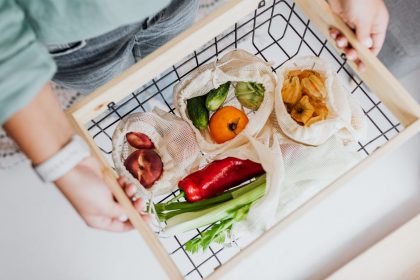
Your kitchen is often the biggest source of waste. Think about all the packaging from groceries, plastic wrap, and food scraps. Simple swaps can make a huge difference.
- Pro-Tip: Keep reusable produce bags and grocery bags near your door or in your car so you never forget them for the store.
- Common Pitfall: Throwing away perfectly good food because it’s ‘expired’ according to the label, without actually checking if it’s still good. Trust your senses first.
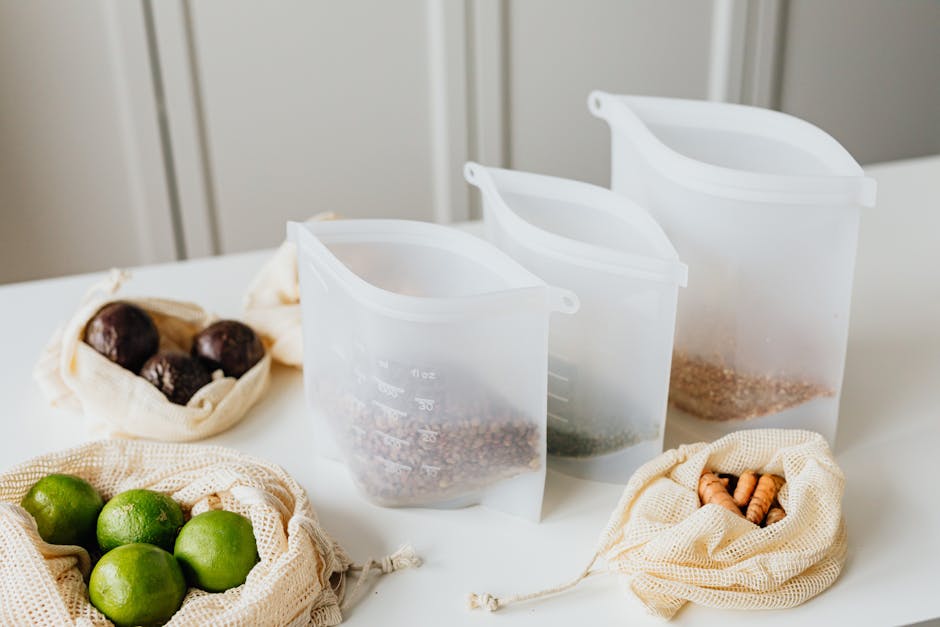
Start with bringing your own containers for bulk items like nuts, grains, and spices. Invest in reusable food storage solutions instead of plastic wrap and foil. Composting your food scraps, even if it’s just a small countertop bin, significantly reduces landfill waste.
On the Go
Daily routines outside the home offer many chances to reduce waste.
Bringing your own coffee cup, water bottle, and even cutlery when you leave the house can cut down on countless single-use items. Planning meals and snacks can prevent impulse buys of packaged foods. These are all part of building a more intentional, practical zero waste steps.
Conscious Shopping
Before you buy something new, ask yourself: Do I truly need this? Can I borrow it? Can I find it secondhand? Supporting local businesses and farmers markets often means less packaging and a shorter supply chain. When you do buy, look for items with minimal, recyclable, or compostable packaging.
The Real-World Impact of Sustainable Consumption
Adopting eco-friendly habits isn’t just about feeling good (though that’s a big part of it!). It has tangible benefits for you and the planet.
For you, a waste-free lifestyle can lead to significant savings. By refusing unnecessary purchases, reducing consumption, and reusing items, you naturally spend less money. It also declutters your home and mind, fostering a sense of intentionality and appreciation for what you have. You become more resourceful, more creative, and more connected to the impact of your choices.
For the planet, the impact is even broader. Less waste in landfills means less pollution, fewer greenhouse gas emissions from decomposing organic matter, and less strain on natural resources. Every single plastic bag refused, every food scrap composted, every item given a second life contributes to a healthier ecosystem. It’s a powerful way to vote with your wallet and your habits for the kind of world you want to live in.
Common Misconceptions
Many myths swirl around zero waste living, often stopping people before they even begin. Let’s clear a few up.
- It’s too expensive. Often, the opposite is true. Reducing consumption, buying secondhand, and making things last can save money in the long run. Initial investments (like a reusable water bottle) quickly pay for themselves.
- It requires you to sacrifice everything you enjoy. Zero waste living is about finding sustainable alternatives, not giving up things you love. It’s about conscious choices, not deprivation.
- It’s only for a specific type of person. Anyone, anywhere, can adopt zero waste principles. Your journey will look different from someone else’s, and that’s perfectly fine.
- One person can’t make a difference. Every single choice aggregates. When many individuals adopt eco-friendly habits, the collective impact is enormous, signaling demand for more sustainable products and systems.
- You have to be perfect. The goal is progress, not perfection. Every little step towards a waste-free lifestyle is a win. Don’t let the pursuit of perfection become the enemy of good.
Next Steps
Ready to start your journey towards a more sustainable, zero waste living?
- Pick One Area: Choose a small area of your life to start, like reducing single-use plastics in your kitchen or refusing disposable coffee cups.
- Audit Your Trash: For a week, pay attention to what you’re throwing away. This helps identify your biggest waste sources.
- Research Local Options: Look into local recycling rules, bulk stores, and composting facilities in your area.
- Invest in Reusables: Grab a quality reusable water bottle, coffee cup, and some cloth bags. These are foundational.
- Educate Yourself: Keep learning! There’s always more to discover about reducing your footprint and living more sustainably.
- Share Your Journey: Talk to friends and family. Your actions might inspire others to embrace their own eco-friendly habits.