




Ever look out at a downpour and think, "That’s a lot of free water just washing away"? You’re not alone. In an age where water conservation is more critical than ever, and utility bills seem to creep ever higher, there’s a simple, ancient practice making a big comeback: rainwater harvesting. It’s not some complex, futuristic technology; it’s about making the most of what nature gives us, right at our doorstep. Consider it giving your home a natural, sustainable boost, one drop at a time.
TL;DR
- Rainwater harvesting collects rain for non-drinking uses, reducing reliance on municipal water.
- It’s surprisingly simple to start, often with just a barrel and a downspout.
- Benefits include lower water bills, reduced strain on local water supplies, and healthier gardens.
- Systems range from basic rain barrels to integrated whole-home solutions.
- Always check local regulations before installing a system.
- Rainwater is not potable without proper filtration and treatment.
- It’s a practical step towards more sustainable living and home water conservation.

What Exactly Is Rainwater Harvesting?
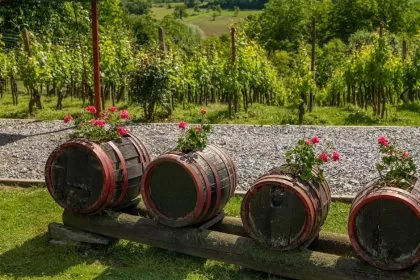
Basically, rainwater harvesting is pretty straightforward: it’s the process of collecting and storing rainwater that would otherwise run off your roof and into storm drains. Instead of letting all that precious water disappear, you’re redirecting it for your own use. This isn’t about setting out a bucket during a storm, though that’s certainly a start! Modern rainwater collection systems can range from a single rain barrel connected to a downspout to more elaborate setups with multiple tanks and pumps.
The beauty of it lies in its simplicity and its potential impact. By capturing rainwater, you’re reducing your dependence on treated municipal water for tasks that don’t require drinking quality water. Think about watering your garden, flushing toilets, or washing your car. These activities typically use perfectly good, expensively treated tap water. Rainwater offers a free, natural alternative that’s often even better for your plants because it hasn’t been chemically treated.
Setting Up Your Simple Rainwater Collection System
Getting started with rainwater harvesting doesn’t have to be a massive project. Many people begin with a simple rain barrel. You connect it to a downspout from your gutter system, and when it rains, water flows directly into the barrel. It’s a fantastic entry point into sustainable water practices.
- Pro-Tip: Place your rain barrel on a level, sturdy surface, ideally slightly elevated. This will make it easier to gravity-feed the water out through a spigot for your garden hose or watering can.
- Common Pitfall: Forgetting to install a screen or filter at the top of your barrel. Leaves, twigs, and debris can easily clog your system or decompose in the water, making it less useful. A simple mesh screen can save you a lot of hassle.
If you’re feeling a bit more ambitious, you might consider a larger system with multiple tanks, a pump, and even connections to your home’s non-potable plumbing (like toilet flushing). These larger systems require more planning and potentially professional installation, but they offer significant home water conservation benefits. The key components typically include the catchment surface (your roof), gutters and downspouts, a first-flush diverter (to send the initial, dirtiest rain away), filters, and storage tanks.
The Benefits Go Beyond Your Wallet
While saving money on your water bill is a huge motivator for many, the advantages of rainwater harvesting stretch much further. Embracing these sustainable water practices has a tangible positive impact on both your home and the environment.
First, it lessens the strain on municipal water supplies. Especially in areas prone to drought or with rapidly growing populations, every drop of water saved makes a difference. You’re reducing demand on public infrastructure and helping ensure there’s enough water for everyone.
Second, your garden will thank you. Rainwater is naturally soft and free of chlorine and other chemicals often found in tap water. This makes it ideal for plants, promoting healthier growth and reducing the need for soil amendments. If you’re looking for more ways to embrace simple water conservation around your home, integrating rainwater into your gardening routine is a fantastic step.
- Pro-Tip: Integrate your rainwater collection with an efficient irrigation system like drip lines. This delivers water directly to plant roots, minimizing evaporation and maximizing the impact of your collected rain.
- Common Pitfall: Collecting more water than you can use or store. Before investing in a large system, estimate your water needs and storage capacity to avoid overflow issues or stagnant water.
Finally, rainwater harvesting helps mitigate stormwater runoff. During heavy rains, impervious surfaces like roofs and driveways send a torrent of water into storm drains, often picking up pollutants along the way and contributing to erosion and flooding. By capturing some of that water, you’re doing your part to manage stormwater locally.
Real-World Impact: Everyday Uses
So, you’ve got your rainwater collection systems in place. What can you actually do with all that glorious, free water? The possibilities are quite practical and impactful for daily life.
Outdoor Uses
This is where most people start. Rainwater is perfect for:
- Watering your garden, lawn, and houseplants: As mentioned, it’s better for them, and it’s free!
- Washing your car: Skip the hose or the car wash. Collected rainwater leaves fewer spots.
- Cleaning outdoor surfaces: Patios, decks, driveways – use a brush and your stored water.
- Filling bird baths or ornamental ponds: Provide a fresh, natural water source for local wildlife.
Indoor Uses (With Caution)
For indoor uses, especially if you’re connecting to your home’s plumbing, you need to be more careful about filtration and local regulations. However, many people use filtered rainwater for:
- Flushing toilets: This is a major water user in most homes, and it doesn’t require potable water.
- Laundry: Rainwater is soft, which can mean you need less detergent and your clothes might last longer.
It’s crucial to remember that harvested rainwater, directly from your roof, is generally not considered safe for drinking, cooking, or bathing without extensive purification. This often involves multiple stages of filtration, UV treatment, or chemical disinfection. Always consult with experts and your local health department if you’re considering using rainwater for potable purposes.
Common Misconceptions
Like many eco-conscious solutions, rainwater harvesting sometimes gets a bad rap due to misunderstandings. Let’s clear up a few common ones:
- It’s incredibly expensive or complex to set up. While advanced systems can be, starting with a basic rain barrel is affordable and straightforward. Many DIY kits are available, too.
- Rainwater is always pure and safe to drink. Untreated rainwater collected from a roof can contain contaminants like bird droppings, dust, and pollutants from the air. It needs proper filtration and potentially treatment for potable use.
- Rainwater harvesting is only for rural areas or large properties. Even urban dwellers with small yards or patios can benefit from a compact rain barrel system to water potted plants or small garden beds.
- Collecting rainwater is illegal. While some regions might have specific regulations or require permits for large-scale systems, outright bans on basic rainwater collection are rare and often based on outdated water rights laws. Always check your local municipality’s rules, but don’t assume it’s forbidden.
- It won’t make a big difference in water conservation. Every little bit helps. Even a single rain barrel can divert hundreds, if not thousands, of gallons of water from storm drains each year, cumulatively making a significant impact.
Next Steps
Ready to jump into the world of rainwater harvesting? It’s a rewarding step towards a more sustainable and resource-independent home. Here’s how you can get started:
- Start Small: Don’t feel pressured to install a whole-house system right away. A single rain barrel is an excellent way to dip your toes in and see the benefits firsthand.
- Check Local Regulations: Before you buy anything, do a quick check with your local city or county planning department. They can inform you of any specific requirements, permits, or even incentives for rainwater collection in your area.
- Assess Your Needs: Think about what you primarily want to use the water for. Just garden irrigation? Washing the car? This will help you determine the size and type of system that makes the most sense for you.
- Research System Components: Look into different types of rain barrels, first-flush diverters, and filters. Understand how they work and what maintenance they require.
- Consider Professional Help: For larger, more integrated systems, getting advice or installation help from a professional who specializes in rainwater collection can save you headaches in the long run.
- Spread the Word: Once you’ve got your system up and running, share your experience with friends and neighbors! Your journey into eco-conscious water use might just inspire others to do the same.