





Ever look at your overflowing trash can and feel a pang of guilt, or just plain frustration? You’re not alone. In our busy lives, it’s easy to accumulate stuff, use it, and then toss it without much thought. But what if you could significantly reduce that waste, simplify your life, and even save a little money along the way? That’s the core idea behind a waste-free lifestyle, and it’s more achievable than you might think.
This isn’t about perfection or becoming a radical environmentalist overnight. It’s about making conscious choices, one step at a time, to minimize your environmental footprint. Consider it a journey towards more thoughtful living, where every small change adds up to a big impact. We’ll explore practical ways to approach sustainable consumption, cut down on plastic reduction, and truly embrace eco-friendly living without turning your life upside down.
TL;DR
- Start small: Focus on one or two areas to reduce waste before expanding.
- Refuse what you don’t need, reduce what you do.
- Embrace reusable items for daily habits like coffee and shopping.
- Properly sort and recycle, but prioritize reducing first.
- Composting food scraps can dramatically cut landfill waste.
- Saving money and simplifying life are natural benefits of reducing waste.
- It’s a journey, not a destination – progress over perfection.
Breaking Down the Waste-Free Lifestyle
The concept of a ‘waste-free’ or ‘zero-waste’ lifestyle might sound intimidating, conjuring images of people fitting a year’s worth of trash into a tiny jar. While that’s an impressive feat for some, for most of us, it’s about a mindful shift in habits. It’s about striving for ‘less waste’ rather than ‘no waste’ – because, let’s be real, avoiding all waste is incredibly tough in today’s world.
Basically, this approach follows the 5 R’s: Refuse, Reduce, Reuse, Recycle, and Rot (Compost). These aren’t just buzzwords; they’re a hierarchy of action. The goal is always to prevent waste first, then to find new uses for things, and only as a last resort, to recycle or compost.
Starting Small, Thinking Big
You don’t need to overhaul your entire life tomorrow. The best way to begin is by picking one or two areas where you feel you can make an immediate, manageable change. Maybe it’s your morning coffee routine, or your grocery shopping habits. Small victories build momentum and confidence. This focused approach makes the journey towards sustainable consumption feel less daunting and more like an exciting challenge.
The Power of Refusal and Reduction
The most effective way to manage waste is to prevent it from entering your life in the first place. This means becoming more aware of what you bring into your home and what you genuinely need. It’s about asking yourself: Do I really need this freebie? Can I borrow this instead of buying it? Can I opt for a product with less packaging?
- Pro-Tip: Carry a reusable water bottle and coffee cup everywhere. It’s a simple refusal of single-use plastics and saves you money.
- Common Pitfall: Buying ‘eco-friendly’ items you don’t actually need. The most sustainable item is often the one you already own.
- Pro-Tip: Say ‘no’ to plastic bags at the store. Always keep a couple of reusable bags in your car or purse.
- Common Pitfall: Falling for ‘greenwashing’ – products marketed as eco-friendly but still have excessive or non-recyclable packaging. Always read labels carefully.
Embracing Reuse
Once you’ve refused what you don’t need, and reduced what you do, the next step is to maximize the life of everything else. Reusing isn’t just about bringing your own bags; it’s about seeing potential in items others might discard. Think about bringing your own containers for takeout, repairing clothes instead of buying new, or repurposing glass jars for food storage.
This is where plastic reduction truly shines. Every time you choose a reusable alternative – whether it’s a lunchbox, a razor, or food wraps – you’re directly cutting down on the demand for new plastics. It’s an active step towards a more eco-friendly living model, where durability and longevity trump disposability.
Smart Recycling and Composting
Even with careful refusal, reduction, and reuse, some waste is inevitable. This is where recycling and composting come in. But it’s not as simple as tossing everything into a blue bin. Knowing what’s truly recyclable in your area (rules vary widely!) and how to properly prepare items is crucial. Contaminated recycling can do more harm than good.
- Pro-Tip: Research your local recycling facility’s guidelines. What they accept and how it needs to be sorted can be surprising.
- Common Pitfall: ‘Wishcycling’ – throwing something in the recycling bin hoping it’s recyclable, even if you’re not sure. This can contaminate entire batches.
- Pro-Tip: Start a simple compost system for food scraps. Even a small countertop bin for fruit peels and vegetable ends makes a huge difference.
- Common Pitfall: Putting non-compostable items (like meat or dairy in a small home composter, or glossy paper) into your compost, which can attract pests or ruin the batch.
The Real-World Impact
Beyond the environmental benefits, a waste-free lifestyle brings tangible improvements to your daily life. You’ll likely find yourself saving money. Less impulsive buying means fewer unnecessary expenses. Investing in durable, reusable items often costs more upfront but saves significantly over time.
You might also discover a simpler, less cluttered home and mind. When you’re constantly evaluating what comes into your space, you naturally become more intentional. This focus on quality over quantity can reduce stress and free up mental energy. Plus, many find that cooking more at home, using fresh ingredients, and avoiding packaged goods leads to healthier eating habits. This truly embodies a holistic approach to eco-friendly living that benefits both you and the planet.
Common Misconceptions
- It’s all or nothing; you have to be perfect from day one.
- It requires a lot of extra time and effort to maintain.
- It’s only for crunchy environmentalists and doesn’t fit a regular busy life.
- It’s too expensive to buy all the ‘zero-waste’ products.
- Small individual actions don’t make a real difference.
- You have to make your own everything, from toothpaste to cleaning supplies.
If you’s looking for more guidance on where to begin, check out these 10 practical steps to kickstart your journey.
Next Steps
Ready to take the next step towards mastering your waste-free lifestyle? Here’s a simple plan:
- Audit Your Trash: For one week, pay attention to what you’s actually throwing away. This helps identify your biggest waste culprits.
- Pick One Easy Change: Commit to one simple shift, like always bringing your own coffee cup or refusing plastic straws.
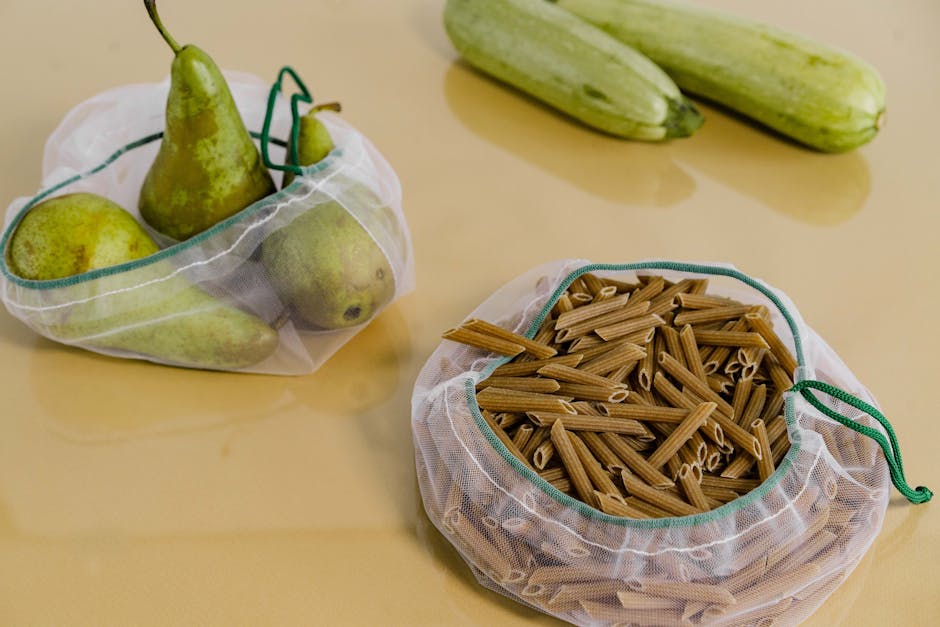
- Invest in Key Reusables: Get a good quality water bottle, a sturdy reusable shopping bag, and maybe a set of produce bags.
- Plan Your Meals: Reduce food waste by planning what you’ll eat, buying only what you need, and using up leftovers creatively.
- Educate Yourself: Learn about your local recycling rules and consider starting a small compost system if you have outdoor space.
- Embrace Imperfection: Remember, every effort counts. Don’t let the pursuit of perfection stop you from making progress.