




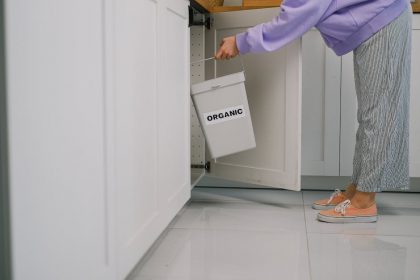
Ever feel a pang of guilt tossing out your banana peels or coffee grounds? You’re not alone. Our kitchens generate a surprising amount of organic waste daily, and much of it ends up in landfills. But what if there was a simple, effective way to turn that waste into something valuable, right inside your home? Enter Indoor Composting: a great help for anyone looking to live a bit greener, even if you don’t have a sprawling backyard.
Indoor composting isn’t just a quirky hobby; it’s a practical, sustainable solution that shrinks your trash can, enriches your plants, and connects you more deeply to your consumption. It’s about taking control of your organic waste stream and transforming it into nutrient-rich “black gold” for your houseplants or garden. Ready to turn those food scraps into something amazing? Let’s dig in.
TL;DR
- Indoor composting dramatically reduces household waste, especially kitchen scraps.
- It creates nutrient-rich soil amendment for plants, indoors or out.
- Methods like vermicomposting (worms) and Bokashi (fermentation) are popular and effective.
- It’s a surprisingly clean and odor-free process when done correctly.
- Ideal for apartments and homes without traditional outdoor compost space.
- Contributes significantly to a more sustainable lifestyle.
- Easy to start with minimal equipment and effort.
Why Indoor Composting Matters for Your Home
Think about the sheer volume of organic material that leaves your home each week. Fruit and vegetable peels, coffee grounds, eggshells – it adds up. When these items go to a landfill, they break down anaerobically (without oxygen), producing methane, a potent greenhouse gas. By diverting this organic waste through indoor composting, you’re directly reducing your carbon footprint and contributing to a healthier planet.
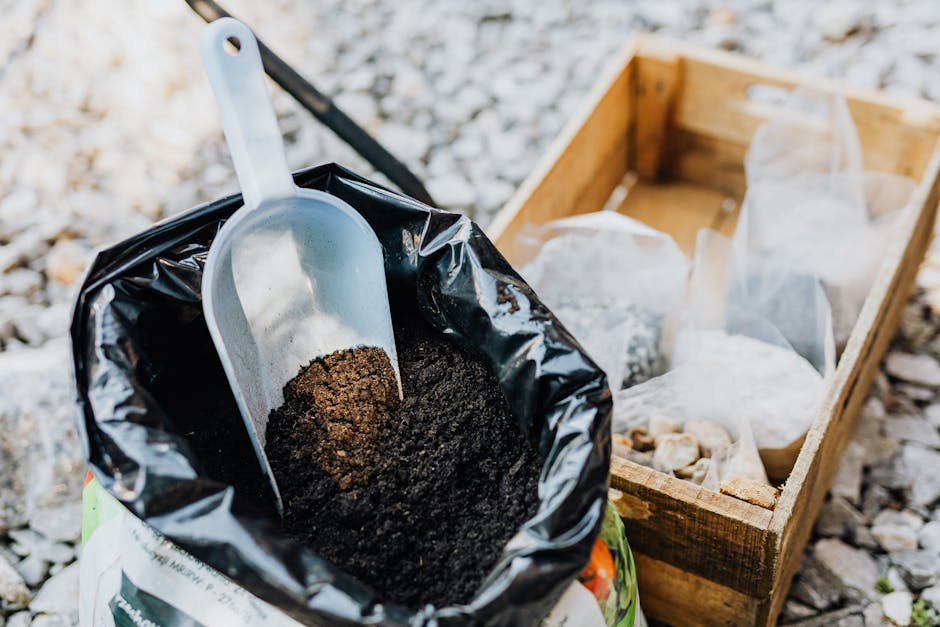
Beyond the environmental perks, there’s a tangible benefit for you: creating your own superfood for plants. That rich, earthy material you get from composting is packed with nutrients that store-bought fertilizers can’t match. It improves soil structure, helps retain water, and encourages healthy plant growth, if you are tending to a small herb garden on your windowsill or a few potted plants in your living room. It’s truly a win-win: less waste for landfills, more vitality for your green friends.
Getting Started: Methods for Indoor Composting
Don’t let the idea of composting indoors intimidate you. There are several surprisingly clean and efficient methods perfect for any living situation, especially if you’re exploring apartment composting.
Vermicomposting: The Wormy Way
This is arguably the most popular and effective form of indoor composting. Vermicomposting uses special composting worms (usually red wigglers) to break down your food scraps. They live in a well-ventilated bin, happily munching through your kitchen waste and turning it into nutrient-dense castings and a liquid fertilizer called “worm tea.”
- Pro-Tip: Keep your worm bin in a cool, dark spot. A laundry room, a quiet corner in the kitchen, or even under the sink can work. Avoid direct sunlight or extreme temperatures.
- Common Pitfall: Overfeeding your worms is a common mistake. Start with small amounts of scraps and gradually increase as your worm population grows and their appetite picks up. Too much food can lead to odors and pests.
Bokashi Composting: Fermentation Magic
Bokashi isn’t traditional composting in the way you might think. Instead of decomposition, it’s a fermentation process. You layer your kitchen waste in an airtight bucket with a special “Bokashi bran” (inoculated with beneficial microbes). This ferments the food scraps, pickling them essentially, before they even start to break down. After a few weeks, the fermented material is ready to be buried in garden soil or added to a traditional compost pile to finish decomposing. It’s excellent for kitchen waste composting because it can handle a wider range of food items, including meat and dairy, unlike vermicomposting.
- Pro-Tip: Press down firmly on your scraps after each addition to remove air, and keep the lid tightly sealed. Anaerobic conditions are crucial for successful fermentation.
- Common Pitfall: Not draining the “Bokashi tea” regularly. This liquid byproduct needs to be drained every few days; otherwise, it can lead to odors. It’s a fantastic fertilizer for plants (dilute it first!).
Electric Composters: The Modern Convenience
If you’re looking for a faster, lower-maintenance option, electric composters are a growing trend. These devices typically grind and heat food scraps, significantly reducing their volume and speeding up the breakdown process. They don’t create “finished compost” in the traditional sense, but rather a dry, sterilized, nutrient-rich soil amendment that can be added to plants or further composted.
What You Can and Can’t Compost Indoors
Knowing what to feed your system is key to a happy and odor-free indoor composting experience. Generally, you’ll want a good mix of “greens” (nitrogen-rich) and “browns” (carbon-rich), though indoor systems tend to focus more on food scraps.
Go For These ‘Greens’:
- Vegetable and fruit scraps (peels, cores, wilted greens)
- Coffee grounds and tea bags (remove staples)
- Eggshells (crush them for faster breakdown)
- Houseplant trimmings
Use These ‘Browns’ in Moderation:
- Shredded newspaper or plain cardboard (unwaxed, uncolored)
- Dry leaves (if you have them)
- Sawdust (from untreated wood)
Avoid These Items:
- Meat, bones, and dairy products (Bokashi can handle them, but not vermicomposting or simple bins)
- Oily or greasy foods
- Pet waste
- Diseased plants
- Non-biodegradable materials (plastics, metals, glass)
- Citrus peels in large quantities (can upset worm bins)
Real-World Impact: Not only Waste Reduction
Embracing indoor composting goes beyond simply reducing your waste; it’s a shift in mindset. You’ll become more aware of what you consume and how much organic material you produce. It’s a tangible step towards a more sustainable household. Imagine transforming what was once trash into a valuable resource that nourishes your plants, reducing your reliance on chemical fertilizers, and saving money in the long run.
This practice also offers a subtle but powerful connection to nature, even when living in a city apartment. Watching worms do their work or seeing your plants thrive on homemade compost brings a quiet satisfaction. It’s a small but mighty way to make a big difference, showing how integrated sustainable habits can be into your daily routine. By making this choice, you’re actively participating in a circular economy, closing the loop on your food waste and giving back to the earth, one banana peel at a time.
Common Misconceptions
- It will smell bad. A properly managed indoor composting system, especially vermicomposting or Bokashi, should have no offensive odor. Any bad smell usually indicates an imbalance (too much food, too wet, or wrong materials).
- It attracts pests. Again, proper management prevents this. Keep your bin sealed, don’t overfeed, and only add appropriate materials. Fruit flies typically appear from fruit already in your kitchen, not necessarily from a well-maintained compost bin.
- It’s too much work. Once set up, most indoor composting systems require very little daily effort—just a few minutes to add scraps and occasionally check moisture levels.
- You need a big house or garden. Absolutely not! This is one of the best solutions for apartment composting or homes with limited outdoor space. Bins are compact and discreet.
- It’s expensive to start. While electric composters can be an investment, vermicomposting and Bokashi systems can be started very cheaply with repurposed containers or inexpensive kits.
Next Steps
- Research Methods: Decide which indoor composting method—vermicomposting, Bokashi, or an electric composter—best suits your lifestyle and space.
- Gather Supplies: Purchase or repurpose a suitable bin, find your composting worms (if going the vermicomposting route), or buy Bokashi bran.
- Start Small: Don’t try to compost everything at once. Begin with a few easy-to-compost items like fruit and vegetable scraps and coffee grounds.
- Monitor and Adjust: Pay attention to your system. Is it too wet? Too dry? Are there any odors? Adjust accordingly.
- Enjoy the Benefits: Use your finished compost on your houseplants, balcony garden, or share it with friends who have outdoor gardens.