





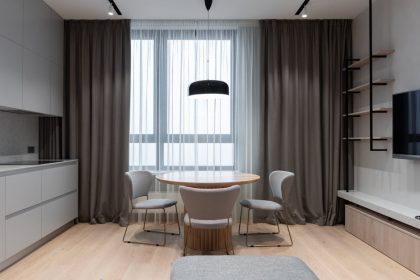
Ever walk into a room and feel a vague sense of overwhelm, even if you can’t quite put your finger on why? Often, it goes beyond having ‘too much stuff.’ It’s about how that stuff is organized—or isn’t. Our homes are meant to be havens, but without a smart approach, they can easily become dumping grounds for daily life. Fortunately is, you don’t need a huge renovation or an army of organizers to reclaim your space. You just need a practical roadmap to space optimization.
Consider this: every item in your home takes up physical space, and often, mental space too. Learning to effectively manage and maximize the areas you have can drastically change how you feel about your surroundings. It’s about creating systems that work for you, not against you, making your home not just tidier, but genuinely more functional and peaceful.
TL;DR
- Clear out unused items first; decluttering is the foundational step.
- Embrace vertical space with shelves and stackable containers.
- Use multi-purpose furniture to get more out of less.
- Group similar items together for logical, accessible storage.
- Regularly review and maintain your systems to prevent new clutter.
- Don’t aim for perfection; aim for progress and lasting functionality.
- Personalize your storage solutions to fit your daily habits.
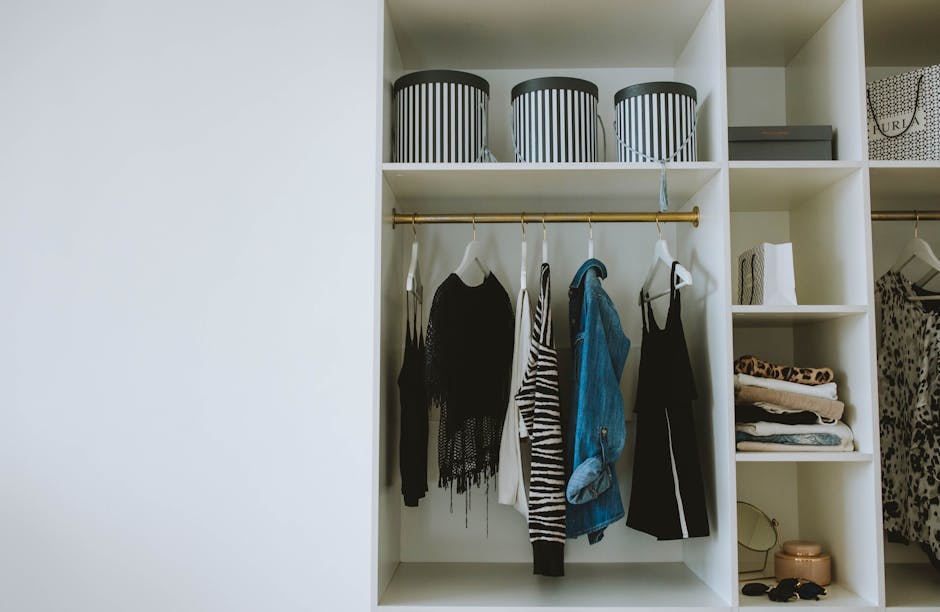
The Starting Line: Mindful Decluttering
Before you even think about buying a single storage bin, you need to tackle what you already own. This is where effective decluttering strategies come into play. It’s not just about throwing things away; it’s about making conscious decisions about what truly serves a purpose or brings you joy. This initial phase can feel daunting, but approaching it systematically makes all the difference.
Start small. Pick one drawer, one shelf, or even just your countertop. Remove everything, clean the space, and then evaluate each item. Ask yourself: Have I used this in the last year? Does it have a dedicated home? Is it broken or beyond repair? If the answer is no to these questions, it’s likely a candidate for donation, recycling, or disposal. Be honest with yourself, but don’t get bogged down in guilt.
- Pro-Tip: Use the ‘Four Box Method.’ Label boxes ‘Keep,’ ‘Donate,’ ‘Trash,’ and ‘Relocate.’ This physical separation helps prevent decision fatigue and keeps the process moving.
- Common Pitfall: Believing you need to declutter your entire home in one weekend. This leads to burnout. Break it down into manageable chunks, like ‘kitchen cabinets’ or ‘one bedroom closet,’ and celebrate small victories.
Smart Solutions for Every Nook
Once you’ve pared down your belongings, it’s time to think about efficient storage solutions. This isn’t about hiding clutter, but about giving every item a logical and easily accessible home. Look beyond traditional shelves and consider the untapped potential in your walls, doors, and under-bed spaces.
Vertical space is your best friend. Floor-to-ceiling shelving, wall-mounted organizers, and over-the-door hooks can double or even triple your usable storage without taking up precious floor space. Think about clear containers for visual organization, drawer dividers for small items, and stackable bins to maximize cabinet space. The goal is to make things easy to find and easy to put away, which encourages ongoing tidiness.
- Pro-Tip: Invest in modular storage units. These can be reconfigured as your needs change, offering flexibility that fixed furniture can’t. Think cubbies, interlocking bins, or adjustable shelving systems.
- Common Pitfall: Buying storage solutions before you declutter. You might end up with too many bins you don’t need, or the wrong sizes for your actual items. Always declutter first, then measure, then buy.
Making Every Inch Count
True space optimization goes beyond just containing items; it’s about how you maximize room potential. This means thinking creatively about how your furniture and layout contribute to or detract from the functionality of a room. Every piece of furniture should ideally serve a purpose, and if it can serve two, even better.
Consider multi-functional furniture: an ottoman with storage, a bed with built-in drawers, or a dining table that folds down when not in use. Look at awkward corners or empty walls as opportunities. A narrow wall can host a wall-mounted desk, or a small alcove can become a reading nook with custom shelving. The key is to see your home as a dynamic environment, constantly adapting to your lifestyle rather than dictating it.
Think about zones within rooms. Even in a small studio apartment, you can create distinct areas for sleeping, working, and relaxing through clever furniture arrangement or even room dividers. This psychological partitioning makes a space feel larger and more purposeful. Ensure pathways are clear and furniture isn’t blocking natural light, which also contributes to a feeling of openness.
The Real-World Impact
Implementing these strategies isn’t just about a prettier house; it fundamentally improves your daily life. Imagine finding your keys every time, knowing exactly where that important document is, or being able to cook without battling a mountain of appliances. This reduction in everyday friction translates to less stress and more mental clarity.
An organized space also encourages new habits. When things are easy to put away, you’re more likely to do it. This creates a positive feedback loop, reinforcing your efforts and maintaining the order you’ve worked hard to establish. You might find you have more time for hobbies, more energy for relationships, and simply feel more at peace in your own home.
Common Misconceptions
- You need to be a minimalist to have an organized home.
- All your storage solutions must match perfectly.
- Organizing is a one-time project you complete and then forget about.
- Expensive storage containers are necessary for effective organization.
- You should organize based on what looks good in a magazine.
- Every item must be hidden away for a space to feel optimized.
Next Steps
- Start Small: Pick one manageable area, like a junk drawer or a single closet shelf, and apply the decluttering strategies.
- Observe Your Habits: Notice what items tend to accumulate where. Design your storage around these natural tendencies.
- Research Solutions: Look for efficient storage solutions tailored to your specific needs, like vertical organizers for a small kitchen or under-bed storage for a compact bedroom.
- Implement Gradually: Don’t try to optimize everything at once. Introduce new systems one room or one category at a time.
- Schedule Maintenance: Set aside 15-30 minutes once a week or month for a quick tidy-up and re-evaluation to keep clutter from creeping back in.
- Be Patient: Transforming your space takes time and consistent effort. Celebrate your progress and don’t get discouraged by setbacks.