






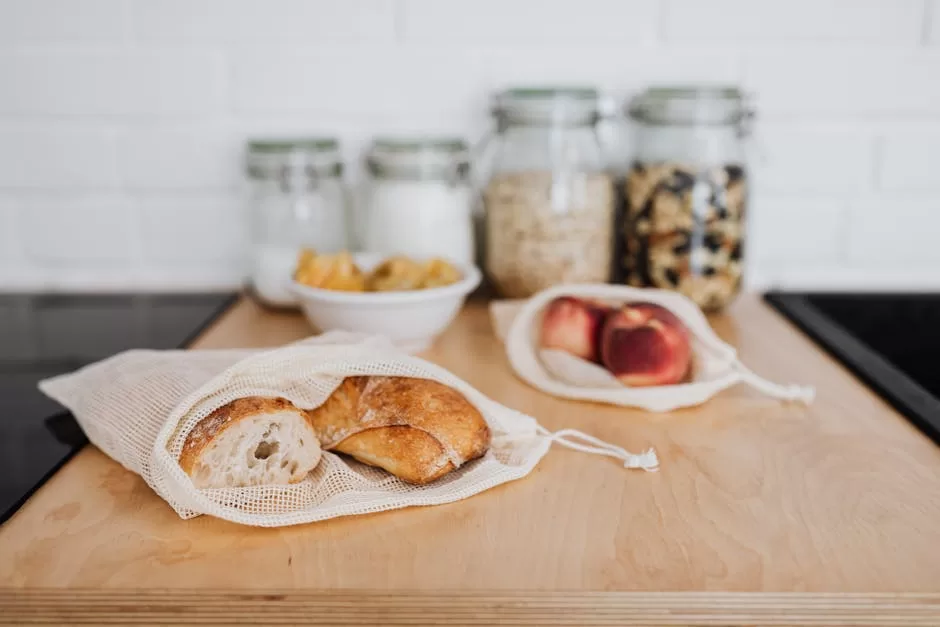
Zero waste kitchen habits are not about fitting a year’s trash into a jar. They are about reducing repeated waste in the room where many households throw away the most food, packaging, paper towels, and single-use items. The goal is less waste and less stress, not perfection.
The best kitchen changes are boring in a good way: plan meals, store food better, use what you already own, compost if it fits your home, and avoid buying “eco” replacements you do not need.
Start With Food Waste, Not Gadgets
Food waste is often the biggest kitchen opportunity because it affects the grocery bill and the environment at the same time. EPA’s preventing wasted food at home guidance recommends planning meals, checking supplies before shopping, understanding date labels, storing food properly, and using leftovers.
A simple weekly routine helps:
- Check the fridge before shopping.
- Plan meals around food that needs to be used first.
- Buy fewer perishable “maybe” items.
- Freeze bread, herbs, cooked grains, or leftovers before they spoil.
- Keep one visible “eat first” shelf or container.
Kitchen Habits That Usually Reduce Waste
| Habit | What to do | Why it works |
|---|---|---|
| Meal planning | Plan fewer meals than the full week so leftovers have space. | Prevents overbuying and makes takeout less likely. |
| Better storage | Use clear containers and label leftovers with the date. | Food gets eaten when people can see it. |
| Reusable basics | Use bags, jars, cloths, and containers you already own. | Reduces single-use items without a shopping reset. |
| Composting | Collect scraps if your city, building, garden, or indoor setup supports it. | Keeps food scraps out of landfill-bound trash when done correctly. |
| Smart cleaning | Use fewer cleaning products and refill bottles where practical. | Cuts packaging and clutter. |
Do Not Replace Everything at Once
One of the easiest mistakes is buying a full set of bamboo, glass, silicone, or stainless steel products before using what is already in the kitchen. Reusable products only reduce waste when they actually replace disposable habits over time.
Use the containers, mugs, towels, bags, and jars you already have. Replace items gradually when they break or when a repeated disposable habit clearly needs a better tool.
If single-use plastic is your main problem, read simple ways to ditch single-use plastic.
Understand Date Labels Before Tossing Food
Date labels can be confusing. A “best by” date is often about quality, while a “use by” date may be more important for safety depending on the product. Do not rely on one phrase alone. Use proper storage, check food before buying duplicates, and follow safety guidance for high-risk foods.
A practical kitchen habit is to rotate older food to the front after every grocery trip. That one-minute reset makes it easier to use food while it is still good.
Composting Without Making the Kitchen Worse
Composting is useful, but it has to fit your living situation. A backyard bin, municipal food scrap collection, community garden drop-off, worm bin, or countertop collection system can all work. The wrong setup can create odor, pests, or frustration.
Start small. Freeze scraps if pickup is weekly. Keep a sealed container for collection. Learn what your local program accepts because composting rules vary. Meat, dairy, compostable packaging, and greasy food may not be accepted in every system.
For small-space guidance, use indoor composting at home.
Lower-Waste Cleaning Habits
A zero waste kitchen should still be a safe kitchen. Homemade or simplified cleaning can reduce packaging, but it is not a universal replacement for sanitizing, disinfecting, or manufacturer-specific surface care. Avoid mixing cleaners, especially bleach with ammonia or acids.
Practical lower-waste cleaning looks like this:
- Use washable cloths for most wiping jobs.
- Keep a small roll of paper towels for grease, raw-meat cleanup, or messes that should not go into laundry.
- Refill bottles when a reliable refill option exists.
- Use fewer specialized products when one safe cleaner handles the job.
- Follow product labels when disinfection is needed.
For safe homemade options, see DIY cleaning products.
Build the Habit Around the Waste You Actually See
A zero waste kitchen becomes easier when it starts with observation instead of shopping. For one week, notice what repeatedly enters the trash: spoiled produce, leftovers, snack packaging, paper towels, coffee waste, takeout containers, or cleaning bottles.
- Spoiled food: plan fewer ingredients, freeze earlier, and keep visible leftovers at eye level.
- Packaging: replace the repeat purchase first, not every container in the kitchen.
- Paper waste: use washable cloths where hygiene and laundry habits make sense.
- Food scraps: choose composting, freezing, pickup, or better meal planning based on your space.
The best kitchen habit is the one that survives a busy week, not the one that looks perfect for a day.
- If you want the wider routine, connect the kitchen changes to a zero waste lifestyle.
Use a Two-Meal Leftover Rule
Leftovers are where many kitchen routines quietly fail. A simple rule helps: every cooked meal should either become a planned second meal, move into the freezer, or be scaled down next time. This keeps the habit practical instead of turning the fridge into a guilt shelf.
- Label one container: write the meal name and the day it should be eaten.
- Keep one flexible meal: soup, wraps, bowls, fried rice, or pasta can absorb small leftovers.
- Review before shopping: check the fridge before buying more ingredients for the same role.
Do Not Buy a Full Storage Kit First
A lower-waste kitchen does not need a perfect matching set of jars, bins, wraps, and labels. Start with the containers you already own, then replace only the item that repeatedly fails. If leftovers dry out, solve sealing. If produce wilts, solve visibility and airflow. If snacks create trash, solve the buying pattern before buying new storage.
Bottom Line
A simple zero waste kitchen is built through repeatable habits: buy what you will use, store food so it gets eaten, reuse what you already own, compost only if the system fits, and avoid unnecessary replacement shopping.
Start with one shelf, one meal plan, or one reusable habit. The kitchen becomes lower-waste when the routine is easy enough to repeat.
A Weekly Kitchen Reset That Actually Helps
A zero waste kitchen becomes easier when there is one repeatable weekly reset. Before shopping, check the fridge, freezer, pantry, and counter fruit bowl. Write down what needs to be used first, then build two or three meals around those items. This small habit prevents the common problem where good ingredients are hidden behind newer groceries until they spoil.
Storage matters too. Clear containers, labels, and a visible leftover shelf are boring but effective. If the kitchen waste problem is mostly packaging, start with single-use plastic reduction. If cleaning products create extra bottles, the DIY cleaning products guide gives a safer low-waste path.
Keep The System Visible
The easiest kitchen habits are visible. Put soon-to-expire food at eye level, keep reusable bags near the door, and leave one container for leftovers where everyone can see it. If the system is hidden in a drawer, it usually stops being used after a few busy days.
A small compost bowl or freezer scrap bag can also help when food prep creates unavoidable peels, stems, and coffee grounds.
Kitchen changes work better when they are part of a repeatable routine. The broader small daily sustainable habits guide can help turn low-waste food storage into a daily system.
For the broader household plan beyond the kitchen, use the zero waste lifestyle starter guide.