




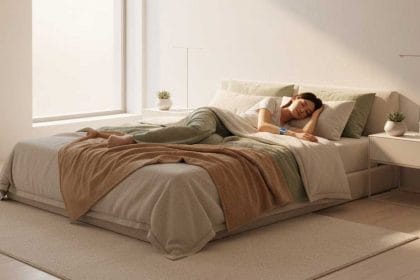
Sleep quality is not just the number of hours you spend in bed. A good night of sleep should be long enough, regular enough, and restorative enough that you can function the next day without fighting heavy sleepiness, brain fog, irritability, or constant caffeine dependence.
That is why sleep quality deserves a more careful approach than “buy a tracker and chase the highest score.” Wearables, smart lights, temperature controls, breathing routines, and AI sleep coaching can help, but they work best when they support the basics: consistent timing, a calm environment, healthy light exposure, and medical attention when symptoms point to a real sleep disorder.
This guide explains the science of sleep quality, which newer techniques are useful, how to interpret sleep technology, and when poor sleep should be discussed with a healthcare professional. It is general education, not a diagnosis or treatment plan.
What Sleep Quality Really Means
The CDC’s sleep guidance says adults generally need at least 7 hours of sleep, but quality matters too. Someone can spend eight hours in bed and still wake up exhausted if sleep is fragmented, breathing is disrupted, alcohol affects sleep structure, or the sleep schedule changes constantly.
Think of sleep quality through five practical signals:
- Duration: you get enough total sleep for your age and needs.
- Regularity: bedtime and wake time are similar most days.
- Continuity: you are not awake for long stretches overnight.
- Timing: your sleep schedule fits your circadian rhythm and daily obligations.
- Restoration: you wake up feeling reasonably alert after a normal adjustment period.
A single bad night does not mean your sleep is broken. A repeated pattern of non-restorative sleep is the real issue.
New Sleep Techniques: What Helps and What to Watch
| Technique | How it can help | Limit to remember |
|---|---|---|
| Wearable sleep tracking | Shows sleep timing, estimated awakenings, movement, and long-term trends. | Consumer sleep-stage scores can be inaccurate and should not diagnose disorders. |
| Morning light exposure | Helps anchor the circadian clock and supports daytime alertness. | Works best with a consistent wake time, not random weekend resets. |
| Smart bedroom controls | Can automate temperature, lighting, and noise routines. | Technology cannot compensate for late caffeine, irregular sleep, or untreated symptoms. |
| Breathing and relaxation | Can lower pre-sleep arousal and make transition to sleep easier. | Not a substitute for care when insomnia, apnea, or panic symptoms persist. |
| AI sleep coaching | May help identify patterns and suggest habit experiments. | Advice quality varies; medical concerns still need a clinician. |
How to Use a Sleep Tracker Without Obsessing
AASM’s actigraphy guideline release notes that movement-based devices can help clinicians understand sleep habits across multiple nights in certain scenarios. That does not mean every consumer sleep score is medically precise. Trackers are best for trends, not verdicts.
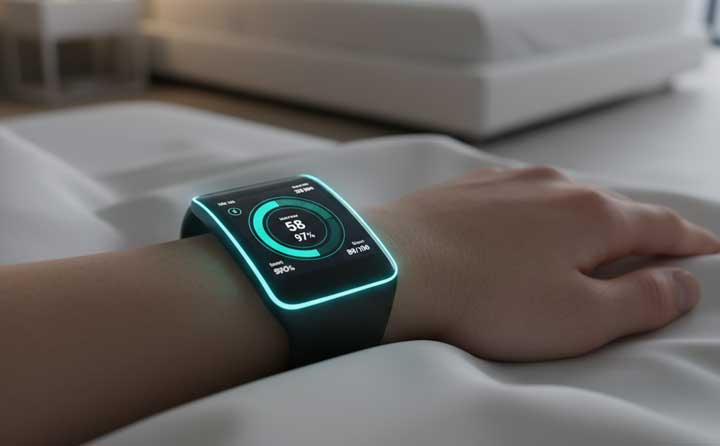
Good uses for a sleep tracker include:
- Seeing whether your sleep schedule drifts later during the week.
- Comparing nights with late caffeine, alcohol, heavy meals, or late screens.
- Noticing whether morning light or exercise improves consistency.
- Bringing a multi-week sleep history to a clinician if symptoms persist.
Bad uses include chasing a perfect score, assuming the device knows exactly when you were in deep sleep, or ignoring daytime symptoms because the app says the night was fine.
Build a Sleep Quality Routine That Actually Works
The strongest sleep routine is simple enough to repeat. Start with a wake time, not a bedtime. A consistent wake time helps train the circadian rhythm. Bedtime becomes easier when the body knows when the day starts.
- Keep a stable wake time. Shift gradually if your current schedule is far off.
- Get morning light. Outdoor light is stronger than indoor light, even on cloudy days.
- Protect the last hour. Lower lights, reduce work stress, and avoid arguments or intense tasks when possible.
- Move caffeine earlier. Late caffeine can affect sleep even when you feel able to fall asleep.
- Make the room boring. Cool, dark, quiet, and predictable beats over-designed.
- Use the bed carefully. If you regularly work, scroll, and worry in bed, your brain stops treating bed as a sleep cue.
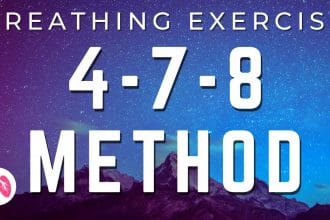
If relaxation breathing helps you transition out of stress mode, see 4-7-8 breathing technique.
Smart Bedroom Technology Can Help the Environment
Sleep quality often improves when the bedroom is predictable. Smart lights can dim at the same time every night. A thermostat can lower the temperature before bed. White noise can reduce sudden sound changes. A sunrise alarm may help people who wake before natural light.
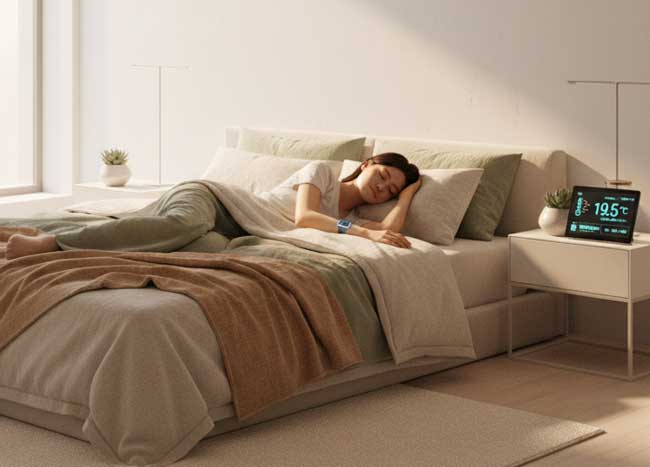
Do not overbuild the system. If every device needs an app, a subscription, or late-night troubleshooting, it may create more friction than benefit. Use technology for repeatable cues, not for constant monitoring.
When Poor Sleep Needs Medical Attention
Sleep hygiene is not enough for every problem. Talk to a healthcare professional if you have loud snoring, witnessed breathing pauses, gasping, morning headaches, severe daytime sleepiness, drowsy driving, chronic insomnia, restless legs, sudden sleep attacks, or mood symptoms that worsen with poor sleep.
Sleep apnea, insomnia disorder, circadian rhythm disorders, medication effects, anxiety, depression, pain, reflux, and hormonal changes can all affect sleep quality. A tracker may point to a pattern, but it cannot rule these in or out.
A Simple Two-Week Sleep Experiment
If symptoms are not severe, test one controlled routine for two weeks:
- Choose a wake time and keep it within 30 minutes daily.
- Get outdoor light within the first hour after waking.
- Stop caffeine 8 hours before bed, or earlier if you are sensitive.
- Use a 20-minute wind-down routine.
- Keep the room cool, dark, and quiet.
- Track how you feel during the day, not only the app score.
If there is no improvement after a consistent test, or if warning symptoms are present, get medical guidance rather than stacking more sleep gadgets.
Use Sleep Tools Without Turning Them Into Pressure
Sleep advice works best when it lowers friction instead of adding another score to chase. Track patterns across weeks, not one bad night. A consistent wake time, morning light, earlier caffeine cutoff, and a calmer final hour usually matter more than obsessing over a perfect app number.
If breathing helps you settle, try the 4-7-8 breathing technique. For stress-related symptoms, read stress breathing problems. This article is educational and not medical advice; persistent insomnia, breathing trouble, severe anxiety, or daytime impairment deserve professional care.
Use Sleep Advice as an Experiment, Not a Verdict
Sleep quality science is useful when it helps you test one change at a time. It becomes stressful when every score, wearable alert, or routine change turns into proof that you are failing. A simple experiment is easier to trust than a pile of sleep hacks.
Pick one variable for two weeks: wake time, caffeine timing, evening light, bedroom temperature, exercise timing, or a wind-down routine. Keep the rest of life as stable as possible, then judge the result by how you feel during the day, not only by a device score.
- Keep: changes that make mornings easier and are realistic on busy days.
- Adjust: routines that help sometimes but create too much pressure.
- Drop: tools that make you more anxious, more obsessive, or less willing to rest normally.
This is general educational wellness content, not medical advice. Ongoing insomnia, breathing problems during sleep, severe daytime sleepiness, or major mood changes deserve qualified medical help.
- If poor sleep hurts study or work, pair the routine with focus and concentration techniques.
- If late-night decisions keep shifting, use decision-making frameworks earlier in the day.
- If bedtime habits keep slipping, connect them to habit stacking with a small, repeatable cue.
Bottom Line
Better sleep quality comes from consistent timing, light exposure, a calm bedroom, careful caffeine and alcohol habits, and attention to symptoms. Wearables and apps can help identify trends, but they should support your judgment, not replace it.
Use sleep technology as a pattern tool. Build the routine first, then use data to refine it. If sleep is still not restorative, the next step is professional evaluation, not another score to chase.
Sleep Quality Supports Decision Quality
Sleep quality belongs in a thinking systems cluster because tired people usually have less patience for trade-offs, planning, and impulse control. Better rest does not replace good mental models, but it makes those tools easier to use. A tired mind is more likely to accept the easiest answer, delay hard choices, or keep checking low-value tasks.
Use sleep advice as practical habit support, not medical treatment. If sleep problems are severe, persistent, or connected with health symptoms, professional guidance matters. For everyday routines, small defaults, evening boundaries, and lighter inbox pressure can make rest easier to protect.