





It’s easy to feel a bit overwhelmed when you hear terms like ‘sustainable living’ or ‘going green’. We often picture huge, complex projects or drastic changes. But what if one major impacts you could make started right at home, with the electricity you use every day? That’s what residential green power is all about: taking control of your home’s energy source and choosing options that are better for your wallet and the planet. It’s not just for specialized tech gurus or super-rich environmentalists anymore. Real people, like you and me, are making the switch, finding practical ways to power their homes with clean, renewable energy. Let’s look at how it all works without getting bogged down in jargon.
TL;DR
- Residential green power means using renewable sources like solar or wind to power your home.
- It helps reduce your carbon footprint and can lead to significant long-term savings on electricity bills.
- Solar panels are a popular choice for homeowners, offering reliability and increasing affordability.
- Smaller wind turbines are an option for homes with specific site conditions, often paired with other systems.
- Even without installing systems, you can opt for green energy plans from your utility provider.
- Many incentives and programs exist to make the transition to green power more accessible.
- The move to eco-friendly electricity is a practical step towards a more sustainable lifestyle.

Understanding Residential Green Power
Basically, residential green power is simply electricity generated from natural sources that replenish themselves. Think sunshine, wind, or even water. Instead of relying on traditional fossil fuels that create pollution and are finite, green power harnesses the endless energy Mother Nature provides. For your home, this typically means generating electricity right on your property, or buying it from a provider that sources it sustainably.
Solar Home Energy: Catching Rays
When most people think of residential green power, the first image that comes to mind is often solar panels on a roof. And for good reason! Solar home energy has become incredibly accessible and efficient. These panels, called photovoltaic (PV) systems, capture sunlight and convert it directly into electricity. This power can then be used immediately, stored in batteries for later, or even sent back to the grid for credits on your utility bill.
- Pro-Tip: Get multiple quotes from local installers. Prices and financing options can vary widely, and a good installer will help you understand the long-term benefits and system sizing for your specific needs.
- Common Pitfall: Assuming your roof isn’t suitable. Even if your roof isn’t south-facing, modern panels can still be effective, especially with battery storage or net metering agreements.
Wind Power for Homes: Harnessing the Breeze
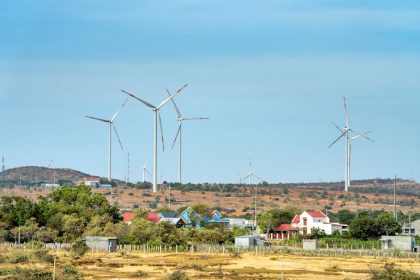
While less common for urban or suburban homes, wind power for homes is a viable option for those with enough land and consistent wind resources. Smaller wind turbines can be installed to generate electricity, often complementing a solar setup. These turbines typically have a vertical or horizontal axis design and are scaled down significantly from the massive utility-scale wind farms you might see. They work best in open areas free from obstructions like tall buildings or trees that could block the wind.
- Pro-Tip: Before considering a wind turbine, conduct a wind assessment for your property. This will help determine if you have enough consistent wind to make the investment worthwhile.
- Common Pitfall: Overestimating wind resources. A strong gust occasionally isn’t enough; consistent average wind speed is key for efficient power generation.
Other Eco-Friendly Electricity Options
Even if installing panels or turbines isn’t feasible for your home, you still have options for embracing eco-friendly electricity. Many utility companies now offer ‘green energy plans.’ With these plans, you pay a slightly higher rate, but in return, your utility commits to purchasing renewable energy credits equivalent to your consumption. This supports the growth of renewable energy generation on a larger scale. Another growing option is community solar, where you can subscribe to a share of a local solar farm and receive credits on your bill, all without putting anything on your own roof.
Considering the long-term view of your energy choices is crucial. As technology evolves and energy needs shift, it’s important to think about how your home’s power source will adapt. Exploring resources that guide you on how to future-proof sustainable home power can provide valuable insights for making informed decisions today that will serve you well for years to come.
Real-World Impact on Your Life
Switching to residential green power isn’t just an abstract ‘good deed.’ It has tangible benefits that hit close to home. First, imagine stable or even significantly reduced electricity bills. Once your system is paid off, your daily energy source is essentially free. This financial predictability is a huge win, especially as traditional energy costs continue to fluctuate. Second, you gain a sense of energy independence. You’re less reliant on the grid, and with battery storage, you can have backup power during outages. Third, and perhaps most importantly, you’re making a direct, positive impact on the environment. You’re reducing your home’s carbon footprint, lessening air pollution, and contributing to a healthier planet for everyone.
Common Misconceptions
- Green energy systems are too expensive for the average homeowner. Many government incentives, tax credits, and financing options make solar and other green power solutions more affordable than ever. The long-term savings often outweigh the initial investment.
- Installation is a huge hassle and takes forever. Most installations are completed within a few days once permits are secured. Professional installers handle all the technical details, making the process straightforward for homeowners.
- Solar panels don’t work in cloudy climates or during winter. While efficiency can decrease, modern panels still generate power on cloudy days and in colder temperatures. Snow can even improve efficiency by reflecting light, though heavy accumulation needs clearing.
- Green power is unreliable and might leave you in the dark. With net metering, you remain connected to the grid, drawing power when your system isn’t producing enough. Add battery storage, and you have backup power during outages, often making your system more reliable than a grid-only connection.
- You can’t sell excess energy back to the grid. Many regions have ‘net metering’ policies that allow homeowners to earn credits for surplus electricity generated and sent back to the utility grid, further reducing bills.
Next Steps
- Research Local Incentives: Look into federal tax credits, state rebates, and local programs that can significantly offset the cost of installing solar or wind systems.
- Assess Your Energy Needs: Review your past electricity bills to understand your average consumption. This helps size a green power system correctly for your home.
- Get Professional Consultations: Reach out to several reputable solar or wind installers in your area for quotes and system recommendations. They can evaluate your property’s suitability.
- Explore Green Energy Plans: If direct installation isn’t an option right now, contact your utility provider to see if they offer green energy purchase plans or community solar programs.
- Start Small, Think Big: Even small changes, like improving your home’s energy efficiency (better insulation, LED lighting), can reduce your overall energy demand, making any future green power system more effective.