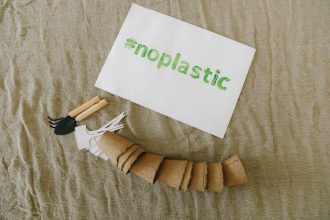






Ever paused to think about what your home is made of? Not just the big stuff like walls and floors, but the everyday items – your sofa cushions, kitchen utensils, bath towels, and even the paint on your walls. Increasingly, people are paying closer attention, and for good reason. Choosing sustainable lifestyle materials isn’t just a trend; it’s a practical way to create a healthier home, reduce your environmental footprint, and often, invest in items that last longer and perform better. It’s about making smart choices that benefit both you and the planet.
TL;DR
- Sustainable materials create healthier living spaces by reducing toxins.
- They lessen environmental impact through responsible sourcing and production.
- Investing in these materials often means better durability and longevity.
- Many eco-conscious products are now stylish and affordable.
- You can find environmentally friendly goods for every room in your home.
- Small, consistent changes in material choices make a big difference.

Why Sustainable Materials Matter Now
We’re living in a time where awareness about our environmental impact is at an all-time high. Every choice we make, from the food we eat to the products we buy, has a ripple effect. For our homes, the materials we bring in play a crucial role. Opting for sustainable lifestyle materials helps in several key ways:
First, it’s about environmental protection. Many traditional materials rely on resource-intensive extraction, energy-heavy manufacturing, and create a lot of waste. Sustainable options, on the other hand, are often sourced from renewable resources, use less water and energy to produce, and can be recycled or biodegraded more easily. This reduces pollution, conserves natural habitats, and helps slow down climate change.
Second, it’s about health and well-being in your own space. Conventional materials can off-gas volatile organic compounds (VOCs) and contain chemicals that might affect indoor air quality, potentially leading to respiratory issues, allergies, or other health concerns. Sustainable materials frequently prioritize natural, non-toxic components, creating a cleaner and safer environment for you and your family.
Third, longevity and quality. Often, sustainable products are designed to last. Think about a solid reclaimed wood table versus a particleboard one. While the initial cost might be higher, the durable, well-made sustainable item typically outperforms and outlasts its conventional counterpart, saving you money and hassle in the long run. It also reduces the frequency of needing replacements, which means less waste going into landfills.
What Makes a Material Sustainable?
It’s a good question, and the answer isn’t always one-size-fits-all. A material can be considered sustainable for a few reasons. It might be:
- Pro-Tip: Look for materials that are rapidly renewable, meaning they grow back quickly without extensive human intervention. Think bamboo or cork.
- Common Pitfall: Don’t assume ‘natural’ automatically means sustainable. Some natural materials are harvested unsustainably, so always dig a little deeper into their sourcing.
Generally, a sustainable material boasts a low environmental impact throughout its entire lifecycle – from how it’s sourced, to how it’s manufactured, used, and in the end disposed of or recycled. Key characteristics include being renewable, recycled, recyclable, biodegradable, non-toxic, and durable.
When you’re looking for new items, keep an eye out for certifications that can help you verify a product’s green credentials. Labels like FSC for wood products (Forest Stewardship Council) or GOTS for textiles (Global Organic Textile Standard) are good indicators. They signal that the product meets certain standards for environmental and social responsibility. For a deeper look at understanding these options, exploring various eco-friendly materials can be incredibly helpful.
Sustainable Materials for Every Room
Thinking about integrating more eco-conscious products into your home? Here are some simple ideas:
For the Kitchen & Dining Room:
- Bamboo and Cork: Great for cutting boards, utensils, flooring, and even storage containers. They’re both fast-growing and durable.
- Recycled Glass: Consider glassware, jars, or even countertops made from recycled glass. It’s beautiful, unique, and keeps waste out of landfills.
- Stainless Steel: A long-lasting, recyclable choice for cookware and appliances.
For the Living Room & Bedroom:
- Organic Cotton, Hemp, and Linen: Fantastic for bedding, curtains, and upholstery. These natural fibers are grown with less water and without harmful pesticides.
- Reclaimed Wood: Furniture made from reclaimed wood gives old timber a new life and reduces the demand for newly harvested trees. Each piece often has a unique story.
- Wool: A natural, renewable, and fire-resistant material perfect for rugs, blankets, and upholstery. It’s also excellent for insulation and regulating temperature.
For the Bathroom:
- Bamboo: Toothbrushes, bath mats, and storage caddies made from bamboo are popular green living choices.
- Recycled Plastic: Look for shower curtains, soap dispensers, and storage bins made from recycled content. Modern recycling technology has come a long way in making these items durable and attractive.
It’s not about overhauling your entire home overnight. Start small. Replace one item at a time with a more sustainable alternative. Over time, these individual environmentally friendly goods add up to a significant positive impact.
- Pro-Tip: When replacing items, prioritize those you use most often or that cover large surface areas (like flooring or furniture). Their impact is greater.
- Common Pitfall: Don’t get caught up in ‘greenwashing.’ Always verify claims of sustainability with certifications or trusted brand information, rather than just relying on buzzwords.
Real-World Impact
Beyond the environmental benefits, choosing sustainable lifestyle materials truly improves your daily life. Imagine breathing cleaner air in your home, free from chemical off-gassing. Think about the more confidence knowing your purchases support ethical labor and responsible resource management. Plus, the aesthetic of natural materials often brings a calm, grounded feeling to a space that’s hard to replicate with synthetic alternatives. You’re not just buying a product; you’re investing in your health, your future, and a more conscious way of living. It’s about building a home that reflects your values.
Common Misconceptions
- Sustainable products are always more expensive: While some specialized items can have a higher upfront cost, many common sustainable materials are competitively priced, and their durability often means savings over time.
- They aren’t as durable or stylish: Modern sustainable materials are engineered for longevity and come in a vast array of stylish designs, proving that eco-friendly doesn’t mean compromising on quality or aesthetics.
- It’s too hard to find sustainable options: With growing demand, more retailers and brands are offering a wide selection of eco-conscious products, making them increasingly accessible both online and in stores.
- One small change won’t make a difference: Every single sustainable choice, no matter how small, contributes to a larger positive impact when combined with the choices of others.
Next Steps
Ready to start making more conscious material choices? Here’s how to begin:
- Audit Your Home: Take a look at items you use daily or those nearing replacement. What are they made of?
- Research Alternatives: For your next purchase, spend a little time researching sustainable lifestyle materials that could replace the conventional option.
- Start Small: Begin with one room or one category of items, like your kitchenware or bedding.
- Look for Certifications: Familiarize yourself with trusted certifications like GOTS, FSC, or OEKO-TEX to guide your purchasing decisions.
- Support Local & Ethical: Where possible, buy from local artisans or companies known for their ethical and sustainable practices.
- Educate Yourself Continuously: The world of sustainable living is always evolving. Stay curious and keep learning!