





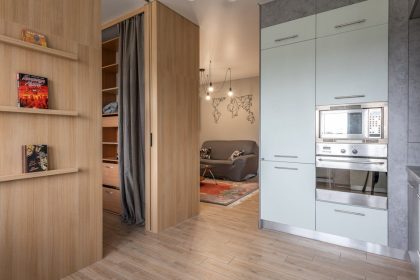
Your home is shrinking? Maybe it’s not the walls moving in, but everything inside them taking up more room than it should. We’ve all been there – staring at a pile of stuff and wondering how to make space appear out of thin air. Fortunately is, you don’t need a bigger house to feel like you have more room. You just need some smart strategies to maximize living space. It’s all about working smarter, not harder, with what you’ve got. Let’s tackle that clutter and create a home that truly breathes.
TL;DR
- Declutter ruthlessly before organizing anything.
- Embrace vertical space with shelves and wall-mounted solutions.
- Invest in multi-functional furniture that works double duty.
- Utilize hidden storage spots like under beds and inside ottomans.
- Implement daily habits to maintain tidiness and prevent new clutter.
- Digitize documents and media to free up physical space.
- Organize by zone to ensure every item has a designated home.
The First Rule: Declutter Before You Organize
This might sound obvious, but it’s often the most skipped step. You can’t truly maximize living space if you’re holding onto things you don’t use, need, or love. Think of it like this: organizing clutter just makes you a more organized hoarder. Start with a clear out. Go room by room, or even category by category. Be honest with yourself about what stays and what goes.
The Power of Purging
Don’t just move things around; make decisions. If you haven’t used something in a year (or six months for clothing), consider letting it go. Donate, sell, or recycle. The less you have, the less you have to organize, and the more open your space will feel. This initial decluttering technique sets the stage for every other home organization strategy.
Embrace Vertical Space: Look Up!
When you’re trying to maximize living space, the walls are your best friends. Most people think horizontally, but vertical space is often overlooked gold. Think tall, not wide.
- Pro-Tip: Install floating shelves above doorways or windows. These are perfect for books, decorative items, or even extra kitchen supplies.
- Common Pitfall: Stacking items precariously high without proper support. Always use sturdy, anchored shelving or storage units to prevent accidents.
Wall-mounted solutions, like pegboards in the kitchen or garage, or even vertical shoe racks, can free up significant floor and counter space. Don’t forget about the back of doors either! Over-the-door organizers are brilliant for everything from toiletries to pantry items.
Multi-Functional Furniture: Your Space-Saving Allies
This is where small apartment solutions really shine. Every piece of furniture should earn its keep, especially when space is at a premium. Why have a coffee table when you can have one with hidden storage drawers? Why a regular bed when a platform bed with built-in drawers exists?
Smart Furniture Choices
Consider sofa beds for guest rooms or studio apartments. Ottomans with storage are perfect for blankets or magazines. Nesting tables can be pulled out for extra surface area when needed and tucked away neatly when not. Desks that fold up against the wall are fantastic for home offices in compact areas. These pieces don’t just sit there; they work for you, helping you maximize living space without adding bulk.
Smart Storage Solutions: Hidden Gems
Beyond furniture, there are countless clever storage solutions designed to make the most of every nook and cranny. Think outside the box, or rather, inside the box, the basket, and the bin!
- Pro-Tip: Use clear, stackable containers for pantry items or craft supplies. This allows you to see what you have and utilize vertical space efficiently without rummaging.
- Common Pitfall: Buying storage containers before decluttering. You’ll end up organizing things you don’t need, wasting both money and valuable space.
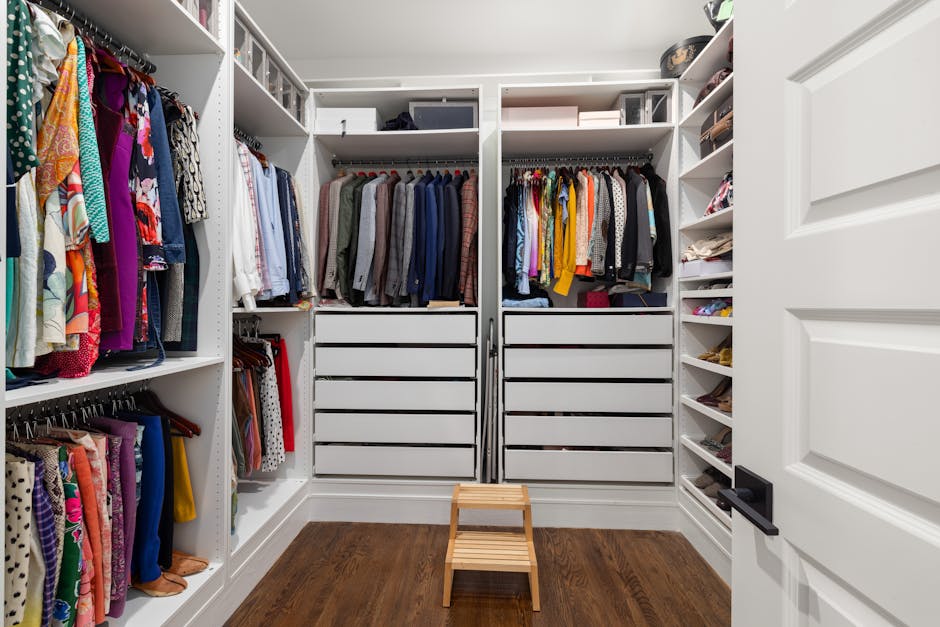
Under-bed storage bins, especially those on wheels, are fantastic for linens, seasonal clothing, or extra shoes. Drawer dividers keep socks, underwear, and kitchen utensils neatly separated, preventing chaotic jumbles. Even simple hooks can make a huge difference – for keys by the door, towels in the bathroom, or pots and pans in the kitchen. For more specific organization, check out resources on minimalist closet organization to streamline your wardrobe space.
Digitize and Declutter Your Digital Life
While this isn’t about physical space directly, a cluttered digital life can often mirror and contribute to a cluttered physical one. Piles of papers, old photo albums, and forgotten CDs all take up precious real estate. Scanning important documents, backing up photos to cloud storage, and streaming music or movies instead of collecting physical copies can free up significant space.
Paperless Power
Think about how many files, letters, and statements you could digitize. Not only does this reduce physical clutter, but it also makes things easier to find when you need them. It’s a key part of holistic home organization strategies.
Real-World Impact
Implementing these home organization strategies isn’t just about making your space look good; it fundamentally changes how you live in it. Imagine walking into a living room where you can actually see the floor, or opening a closet without fear of an avalanche. A well-organized home reduces stress, saves time (no more hunting for lost keys!), and promotes a sense of calm and control.
When everything has a place, cleaning becomes easier, and you’re less likely to accumulate new clutter. Your home becomes a sanctuary, a place where you can relax and truly feel at ease, rather than a constant reminder of tasks undone. This kind of environment genuinely helps to maximize living space, not just visually, but experientially.
Common Misconceptions
- You need to be a minimalist to have an organized home.
- Organization is a one-time project; once it’s done, it’s done forever.
- Buying more storage containers will automatically make your home tidy.
- Organization requires expensive, custom-built solutions.
- You have to get rid of everything you love to have a clean space.
Next Steps
- Start Small: Pick one drawer or one shelf. Don’t try to do your whole house in a day.
- Set a Timer: Dedicate 15-30 minutes a few times a week to decluttering and organizing.
- The "One In, One Out" Rule: When you buy something new, get rid of something similar you already own.
- Create Zones: Group similar items together (e.g., all cleaning supplies in one spot, all art supplies in another).
- Review Regularly: Schedule a quick tidy-up weekly and a deeper declutter quarterly to maintain your progress.