





Ever notice the sky open up and wonder where all that water goes? For most of us, it just runs down the drain, literally. But what if you could put that free, natural resource to good use? We’re talking about rainwater harvesting – a straightforward way to capture the rain that falls on your roof and store it for later. It’s not just for remote cabins or eco-warriors anymore; it’s a practical step anyone can take towards a more sustainable home.
Consider this: rising water bills, local drought concerns, or simply wanting to tread a little lighter on the planet. Collecting rainwater offers a surprising number of benefits, from watering your garden without touching the tap to reducing the strain on municipal water systems. It’s about being smarter with what nature provides, making your home more resilient, and saving a little money along the way. Ready to tap into this natural bounty?
TL;DR
- Rainwater harvesting captures and stores rain from your roof.
- It reduces water bills and reliance on municipal water.
- Helps conserve precious fresh water resources.
- Can be as simple as a rain barrel or a full collection system.
- Ideal for garden irrigation, washing, and toilet flushing.
- Boosts your home’s environmental footprint and self-sufficiency.
- Often requires minimal setup and maintenance for basic systems.
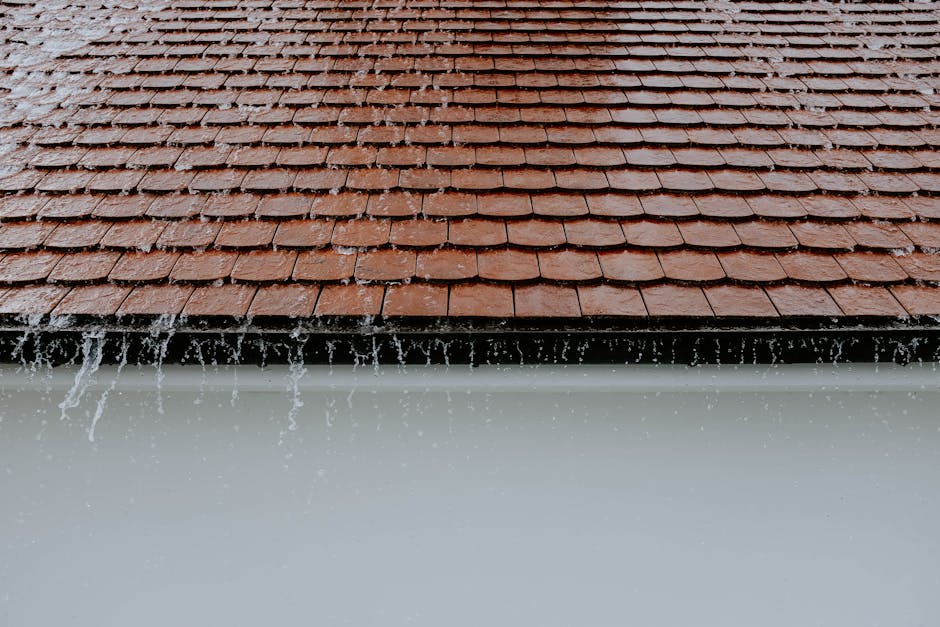
Basically, rainwater harvesting is pretty simple. When rain hits your roof, instead of letting it flow into storm drains, a basic system diverts it into a storage tank. The complexity and size of your rainwater collection systems can vary wildly, from a single rain barrel attached to a downspout to a multi-tank setup plumbed into your home’s non-potable water supply. The beauty is you can start small and scale up as you get more comfortable and see the benefits.
One major draws for many people is the financial saving. Using collected rainwater for things like watering your garden, washing your car, or even flushing toilets means you’re not paying for treated tap water for those tasks. Over time, those savings can add up, especially if you live in an area with high water rates or restrictions.
Beyond your wallet, there’s the environmental impact. By reducing your demand on municipal water, you’re contributing to home water conservation efforts. This is crucial in many regions facing water scarcity or increasing population pressure. Plus, rainwater is naturally soft and free of the chlorine and other chemicals often found in tap water, making it fantastic for plants and gardens.
Getting Started with Rainwater
So, how does one begin with such sustainable water practices? The easiest entry point is a rain barrel. These are typically 50-100 gallon containers that sit beneath a downspout. You simply redirect your downspout into the barrel, and voilà, instant water storage. For more ambitious projects, a more elaborate system might involve larger tanks, filters, and even pumps to distribute water around your property or into your home.
- Pro-Tip: Start with a single rain barrel. It’s an affordable way to test the waters, see how much rain you actually collect, and understand your usage patterns before investing in a larger system.
- Common Pitfall: Neglecting to clean your gutters before installing a system. Clogged gutters will send debris into your barrel or tank, making your collected water less clean and potentially blocking your system.
Choosing the right size system depends on several factors: your average rainfall, the size of your roof, and how you plan to use the water. If you only need it for a small garden, a couple of rain barrels might be perfect. If you’re looking to significantly reduce your household water consumption for outdoor and even some indoor uses, you’ll need to calculate your roof’s catchment area and rainfall averages to size a larger tank.
- Pro-Tip: Always check local regulations. Some areas have incentives or even restrictions on rainwater harvesting. A quick call to your local municipality or water board can save you headaches later.
- Common Pitfall: Not installing a first-flush diverter. This simple device sends the first bit of rainfall (which often carries roof debris like leaves and dust) away from your main storage, ensuring cleaner water in your tank.
Integrating rainwater collection into your daily life is one of those sustainable habits that truly makes a difference. It makes you more aware of water as a resource, encouraging mindful use. From watering your prized hydrangeas to filling up the kids’ paddling pool, knowing you’re using free, naturally-collected water is incredibly satisfying.
Real-World Impact
The impact of harnessing rainwater extends far beyond your own backyard. Imagine a neighborhood where every home had a basic rainwater collection system. The collective reduction in stormwater runoff would lessen the burden on local drainage systems, which often overflow during heavy rains, carrying pollutants into rivers and streams. This means healthier local ecosystems.
For individual homes, the immediate impact is often seen in lower utility bills. Many people report significant reductions in their water consumption, sometimes cutting their outdoor water use by half or more. In areas prone to drought or water restrictions, a rainwater system provides a crucial buffer, offering a reliable water source when municipal supplies are limited.
Beyond the numbers, there’s a tangible sense of self-reliance. Knowing you have an independent water source for certain tasks can be empowering. It’s a small but significant step towards making your home more resilient and less dependent on external infrastructure, providing more confidence during times of water stress.
Common Misconceptions
- It’s only for large properties or rural areas. Rainwater harvesting works just as well in urban environments, even with small rooflines. Every drop counts.
- The water isn’t clean enough to use. While not typically potable without advanced filtration, rainwater is excellent for non-drinking uses like gardening, flushing toilets, and cleaning. A good first-flush diverter and screen keeps it remarkably clean for these purposes.
- It’s too expensive to set up. You can start with a single rain barrel for under $100, which is a minimal investment for the water savings and environmental benefits. Larger systems cost more but offer greater returns.
- You need constant rainfall for it to be worthwhile. Even in drier climates, occasional heavy rainfall can provide a substantial amount of water. It’s about maximizing what you get when it rains.
- It’s complicated and requires expert plumbing. While advanced systems do, basic rain barrel setups are DIY-friendly and require only minimal tools and effort to install.
Next Steps
Ready to start harnessing your own liquid gold from the sky? Here’s how you can take the first step:
- Assess Your Needs: Think about how you’d primarily use the collected water. Is it just for a small garden, or do you have bigger plans? This will help determine the scale of your system.
- Check Local Regulations: Before you buy anything, quickly look up local zoning laws or talk to your municipal water department. They can inform you of any rules, permits, or even incentives for rainwater harvesting in your area.
- Start Simple: Purchase and install a single rain barrel. This low-cost, low-effort approach allows you to learn the ropes and see the immediate benefits without a huge commitment.
- Research System Components: Familiarize yourself with basic components like gutter screens, first-flush diverters, and different types of storage tanks. Understanding these will help you make informed decisions if you decide to expand.
- Connect with Resources: Look for local gardening clubs, environmental groups, or online forums. Fellow enthusiasts can offer practical advice and share their experiences with rainwater collection systems.