






We often take water for granted. It’s just there, flowing freely from our taps, always ready. But the truth is, water is a precious resource, and how we use it at home has a bigger impact than you might think. From your utility bill to the environment around you, making small changes can lead to significant savings – both for your wallet and the planet. This isn’t about drastic lifestyle overhauls; it’s about smart, simple shifts in your daily routine. Let’s explore some easy water conservation home strategies that anyone can adopt without breaking a sweat.
TL;DR
- Fix leaks quickly to prevent wasted water.
- Take shorter showers, not baths.
- Only run dishwashers and washing machines when full.
- Turn off the faucet while brushing teeth or washing hands.
- Water your garden efficiently, especially in the early morning.
- Install water-saving fixtures like low-flow showerheads.
Bathroom Basics: Where Most Water Goes
The bathroom is often the biggest water guzzler in any household. Think about how much water goes down the drain every day from flushing, showering, and handwashing. A little mindfulness here can go a long way.
- Pro-Tip: Check for toilet leaks by adding a few drops of food coloring to the tank; if color appears in the bowl after 15 minutes without flushing, you have a leak.
- Common Pitfall: Don’t leave the water running while brushing your teeth or shaving, as this wastes gallons needlessly.
- Pro-Tip: Install a low-flow showerhead; it can significantly reduce water usage without sacrificing pressure.
- Common Pitfall: Resist the urge to take long, hot baths every day; opt for quick showers instead.
- Pro-Tip: Capture cold shower water in a bucket while waiting for it to heat up, then use it for plants or cleaning.
Kitchen & Laundry: Smart Appliance Use
Your kitchen and laundry room are prime spots for reducing water usage, especially with modern appliances. These machines are designed for efficiency, but only if you use them correctly.
- Pro-Tip: Always run your dishwasher and washing machine only when they are full to maximize efficiency.
- Common Pitfall: Pre-rinsing dishes excessively before loading the dishwasher is often unnecessary and wastes water.
- Pro-Tip: When handwashing dishes, fill one sink with wash water and another with rinse water instead of running the tap continuously.
- Common Pitfall: Don’t thaw frozen food under running water; use the refrigerator overnight instead.
- Pro-Tip: Fix any dripping faucets immediately; even a slow drip can waste hundreds of gallons a month.
Outdoor Oasis: Mindful Watering
For many homes, outdoor water use can account for half or more of total household water consumption, especially during warmer months. It’s easy to get carried away when keeping your garden green or washing the car, but smart practices make a huge difference.
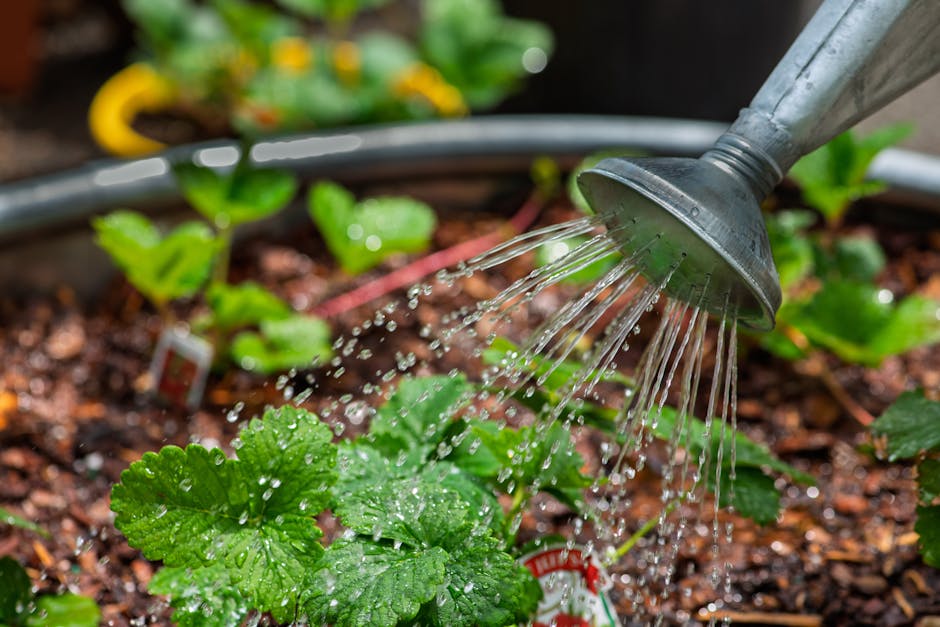
for your lawn and garden, timing is everything. Watering in the heat of the day means much of that water evaporates before it even reaches the roots. Instead, aim for early morning when temperatures are cooler and the sun isn’t as intense. This allows the water to soak into the soil more effectively.
Consider what you’re planting, too. Opting for native plants or drought-tolerant landscaping can drastically reduce the need for constant watering. These plants are naturally adapted to your local climate and often require less care. A rain barrel is another fantastic way to capture free water for your garden, making your household water saving efforts even stronger.
And for car washing? Skip the hose. Use a bucket of soapy water and a sponge, then quickly rinse with a hose only when necessary, or better yet, take it to a commercial car wash that recycles water.
Real-World Impact: Every Drop Counts
It’s easy to think that one less minute in the shower or one less load of laundry won’t make a difference. But these small actions add up. Imagine if every household started to actively conserve water everyday. The collective impact would be massive, reducing strain on local water supplies and energy grids (it takes energy to treat and pump water!).
Beyond the environmental benefits, conserving water also translates directly to savings on your utility bills. The less water you use, the less you pay. It’s a win-win situation that benefits both your bank account and the planet. Making your home a more water efficient home doesn’t require complex gadgets or a huge budget; it’s mostly about changing habits.
Common Misconceptions
- One Toilet Flush: Many assume a single toilet flush uses a small amount, but older models can use up to 7 gallons per flush.
- Dishwasher vs. Handwashing: A full, modern dishwasher is generally more water-efficient than handwashing dishes under a running tap.
- Ignoring Leaks: A slow drip from a faucet or a leaky toilet can waste thousands of gallons over a year, not just a few drops.
- Green Lawn Always: A perfectly green lawn isn’t always healthy; some grass types naturally go dormant and brown in dry periods.
Next Steps
- Start with one or two easy tips from this list, like taking shorter showers or checking for toilet leaks.
- Educate family members on why water conservation matters and how they can help.
- Consider investing in water-saving fixtures like low-flow showerheads or aerators for your sink faucets.
- Monitor your water bill to see the positive impact of your efforts.
- Look into local rebates or programs for water-efficient appliances or landscaping.