






The world of Bitcoin is a rollercoaster? One minute, everyone’s cheering as prices soar, the next, it’s a quiet, bumpy ride down. You’re not alone. Bitcoin, like many assets, moves in cycles. These aren’t random lurches; they often follow a predictable rhythm, driven by specific events and human psychology. Understanding these Bitcoin market cycles isn’t about predicting the future with a crystal ball. It’s about recognizing patterns, managing your expectations, and making more informed choices in a volatile market. It’s about getting a feel for the ebb and flow, so you’re not caught completely off guard when things shift.
TL;DR
- Bitcoin’s price movements often follow predictable market cycles.
- The “halving” event is a major driver of these cycles, occurring roughly every four years.
- Cycles generally include accumulation, bull runs, distribution, and bear markets.
- Patience and emotional control are key to navigating these ups and downs.
- Dollar-Cost Averaging (DCA) can help mitigate the impact of Bitcoin price volatility.
- It’s important to differentiate between short-term dips and long-term trends.
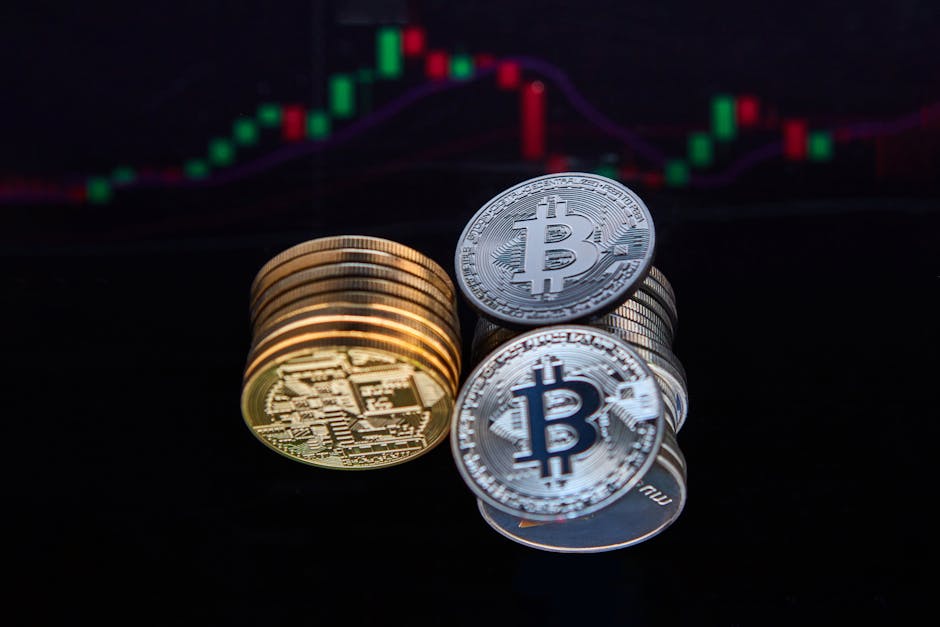
Decoding Bitcoin’s Natural Rhythm
Bitcoin’s journey isn’t a straight line up or down. It’s more like a series of waves, building up, crashing, and then rebuilding. These are what we call market cycles. Think of them like the seasons: spring, summer, autumn, winter. Each has its characteristics, and understanding them helps you prepare.
A big driver behind these Cryptocurrency market trends is something called the “halving.” Roughly every four years, the reward for miners who validate Bitcoin transactions gets cut in half. This is a built-in feature of Bitcoin’s code designed to control its supply. Historically, this BTC halving impact has acted like a reset button, often kicking off the next major bull market.
After a halving, the supply of new Bitcoin entering the market is reduced, while demand often increases over time. This scarcity, combined with growing interest, can push prices higher. But it’s not instant, and it’s never a guarantee. The market is also influenced by broader economic factors, technological developments, and simply, human sentiment.
The Four Seasons of Bitcoin
While not an exact science, Bitcoin’s market cycles often follow a general pattern:
1. Accumulation Phase
This is the “winter” of Bitcoin. After a big price drop (a bear market), things are quiet. Prices are low, and most people have lost interest or are feeling pessimistic. Smart money, or those with a long-term view, often starts buying during this period, slowly accumulating Bitcoin at lower prices.
2. Bull Run (or Rally) Phase
Spring and summer arrive! This is when prices start to climb, sometimes slowly, then picking up speed. News articles about Bitcoin become more positive, friends start talking about it, and fear of missing out (FOMO) kicks in for many. This phase can last for a long time, bringing significant gains.
3. Distribution Phase
This is often the peak, the late summer or early autumn. Prices are high, everyone is talking about Bitcoin, and new investors are rushing in. At this point, experienced investors often start to sell some of their holdings, taking profits as the market gets overheated. It can be hard to spot the exact top, as enthusiasm is usually at its highest.
4. Bear Market (or Correction) Phase
Winter returns. Prices fall, often sharply. The excitement fades, and many new investors who bought at the peak might sell at a loss, adding to the downward pressure. This phase can be tough emotionally, but it’s also where the groundwork for the next cycle is laid, and patient investors look for opportunities to buy low.
Practical Strategies for the Ride
Navigating these cycles requires a blend of patience, strategy, and emotional discipline. Here are some ways to approach the Bitcoin market cycles:
- Pro-Tip: Consider Dollar-Cost Averaging (DCA). Instead of trying to time the market perfectly, invest a fixed amount of money regularly (e.g., $50 every week or month). This strategy helps smooth out your average purchase price over time, especially during periods of Bitcoin price volatility. You’ll buy more when prices are low and less when they are high.
- Common Pitfall: Don’t let emotions dictate your decisions. Fear and greed are powerful forces in financial markets. Buying just because everyone else is (FOMO) or selling in a panic during a dip can lead to poor outcomes. Stick to a plan.
- Pro-Tip: Take some profits along the way. If your investment has grown significantly during a bull run, it’s wise to consider selling a small portion to secure some gains. You don’t have to sell everything, but even a little can protect your capital.
- Common Pitfall: Don’t invest more than you can afford to lose. The crypto market is inherently risky. While the potential for gains is exciting, the potential for losses is also very real. Be smart about your financial limits.
- Pro-Tip: Educate yourself. The more you understand how Bitcoin and the broader cryptocurrency market trends work, the better equipped you’ll be to make decisions. There are many resources available to help you, including articles like Mastering Bitcoin Market Cycles.
Real-World Impact on Your Wallet
What does all this mean for you, a regular person dabbling in Bitcoin? It means that understanding these cycles can significantly change how you feel about your investments. When you know that bear markets are a natural part of the cycle, a big price drop doesn’t feel like the end of the world. Instead, it might feel like a potential opportunity, or at least a temporary setback to weather. This knowledge helps reduce anxiety and prevents impulsive decisions.
It also means you might adjust your saving and spending habits. If you’re planning a big purchase with crypto profits, being aware of the market’s phase helps you gauge whether it’s a good time to sell or if you should wait for a more favorable period. In the end, it gives you a sense of control and foresight, making your crypto journey less stressful and potentially more rewarding.
Common Misconceptions
- Bitcoin’s price always goes up in the long run.
- You can easily predict the exact top or bottom of a cycle.
- Bear markets mean Bitcoin is failing and will disappear.
- All cryptocurrencies follow the exact same market cycles as Bitcoin.
- The halving guarantees an immediate price surge.
Investing in crypto carries risks; only invest what you can afford to lose.
Next Steps
- Learn More: Continue to read and understand the fundamentals behind Bitcoin and other cryptocurrencies.
- Set a Strategy: Decide on an investing strategy that suits your risk tolerance and financial goals, such as Dollar-Cost Averaging.
- Manage Risk: Only invest an amount that you are comfortable losing, and diversify your portfolio beyond just crypto.
- Stay Patient: The biggest gains often come to those who can weather the ups and downs and stick to their long-term plan.