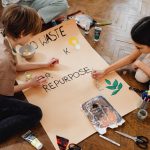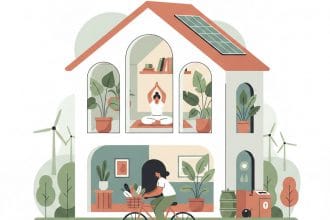






Ever look at something you’re about to throw away and think, “Could this be something else?” That’s the core idea behind upcycling. It’s not just about saving money, though that’s a nice bonus. It’s about taking items that might otherwise end up in a landfill and giving them a new, often better, life. We’re talking about smart,
This isn’t about being a master craftsperson or spending a fortune on tools. It’s about seeing potential, being a little creative, and making choices that benefit both your living space and the planet. From simple tweaks to more involved weekend projects, there are endless ways to embrace sustainable reuse projects and turn everyday ‘waste’ into something wonderful.
TL;DR
- Upcycling transforms discarded items into new, useful things.
- It significantly reduces household waste and your environmental footprint.
- Anyone can do it, regardless of skill level or budget.
- Look for items with good bones or interesting materials.
- Start small with easy repurposed craft ideas like jar organization.
- Embrace waste-reducing creations to make your home more sustainable.
- You’ll save money and add unique character to your decor.
So, what exactly is eco-conscious upcycling? Simply put, it’s the process of converting old or discarded materials into something of higher value or quality. Consider it an upgrade, not just a reuse. Instead of recycling a glass bottle into another glass bottle, you might upcycle it into a decorative vase or a unique lamp base. This approach extends the life of materials, reduces demand for new resources, and cuts down on the energy needed for manufacturing new goods.
Why Bother with Upcycling?
The reasons go beyond just aesthetic appeal. Every item we prevent from going to a landfill lessens the environmental burden. Landfills produce greenhouse gases and take up valuable space. By choosing to upcycle, you’re directly participating in a circular economy, minimizing waste and promoting sustainability. It’s a tangible way to make a difference right from your home, contributing to a healthier planet for everyone.
Beyond the environmental perks, upcycling lets you inject serious personality into your space. Forget mass-produced decor; your home can tell a story with pieces that are truly one-of-a-kind. These aren’t just objects; they’re conversation starters, born from your imagination and effort. Plus, let’s be honest, it feels pretty good to create something beautiful and functional from scratch, especially when it costs next to nothing.
Getting Started: Where to Look for Treasures
The best part about eco-conscious upcycling is that potential projects are everywhere. Your own home is a great starting point. Old furniture, forgotten kitchenware, even clothing and packaging can be transformed. Beyond your four walls, consider:
- Pro-Tip: Check out thrift stores, garage sales, and flea markets. They are goldmines for inexpensive items with great potential, like sturdy wooden crates or unique ceramic dishes.
- Common Pitfall: Don’t buy something just because it’s cheap. Make sure it has structural integrity or materials that are easy to work with for your planned project.
- Pro-Tip: Ask friends and family for their discards. Often, people are happy to give away items they no longer need, saving them a trip to the dump.
Inspiring Repurposed Craft Ideas for Every Room
Let’s look at some practical ideas for sustainable reuse projects that you can tackle. You don’t need a workshop full of tools, just a bit of imagination and willingness to try.
Kitchen & Dining
- Pro-Tip: Turn old glass jars (jam, pickles, sauces) into attractive storage for pantry staples, craft supplies, or even use them as stylish drinking glasses. A quick clean and maybe some paint can make them look brand new.
- Common Pitfall: Don’t forget to remove labels thoroughly. Warm soapy water and a scrub brush often do the trick.
- Pro-Tip: Use old wooden cutting boards as decorative trays or small wall shelves. A fresh coat of food-safe oil or a pop of color can bring them back to life.
Living Spaces
This is where you can really let your creativity shine with waste-reducing creations. An old wooden ladder can become a rustic bookshelf or a display for blankets. Suitcases from your grandparents’ attic can stack up to form a quirky side table, perfect for storing odds and ends.
For something more ambitious, consider old drawers from a dresser. Mount them to a wall, add a back panel, and you’ve got instant, unique shelving. With a little paint and new handles, they look completely intentional and stylish.
Outdoor & Garden
The garden is a fantastic place for upcycling. Old tires, painted vibrant colors, can become planters. Pallets can be transformed into vertical gardens or outdoor furniture. Even plastic bottles can be cut and used as mini-greenhouses for seedlings. And speaking of sustainable practices, think about harvesting rainwater for your garden, further reducing your environmental footprint.
Kids’ Rooms & Toys
Upcycling for kids is all about creativity and imagination. Large cardboard boxes can become playhouses, rocket ships, or puppet theaters. Old t-shirts can be cut into strips and braided to make colorful rugs or pet toys. Broken crayons can be melted down into new, multi-colored ones using silicone molds. These repurposed craft ideas teach kids about sustainability while providing hours of fun.
Real-World Impact
Beyond the personal satisfaction and unique decor, choosing eco-conscious upcycling has a measurable impact. Every piece you upcycle reduces landfill waste, conserves natural resources, and lessens the carbon footprint associated with manufacturing new products. Think of the cumulative effect if everyone adopted just a few sustainable reuse projects. It’s a quiet revolution against disposability, leading to a home that’s not just stylish but also responsible. You’ll find yourself looking at ‘trash’ with new eyes, seeing opportunities instead of waste, and building a genuinely greener home environment.
Common Misconceptions
- Upcycling always looks rustic or ‘junky.’ Modern upcycling can be incredibly sleek and sophisticated, fitting any decor style.
- You need extensive crafting skills or expensive tools. Many projects require only basic tools and simple techniques.
- It’s just for saving money. While cost-saving is a benefit, the primary driver is often environmental responsibility and personal creativity.
- Every item can be upcycled. Some materials are too far gone or difficult to safely transform; know when to say goodbye.
Next Steps
- Start Small: Pick one item you’d normally discard this week and brainstorm a new use for it. A coffee can for pen storage, for example.
- Gather Inspiration: Look online for ‘repurposed craft ideas’ or ‘sustainable reuse projects’ to spark your creativity.
- Assess Your ‘Waste’: Before throwing something out, pause and consider its material. Is it wood, glass, metal, or sturdy plastic? Can it be cleaned, painted, or cut?
- Learn Basic Skills: Watch a few online tutorials on simple painting, sanding, or basic carpentry if you want to tackle furniture.
- Share Your Creations: Show off your waste-reducing creations! It encourages others and boosts your own motivation.