





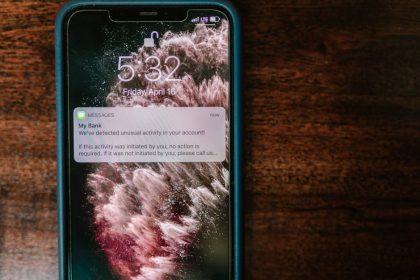
The way we manage our money has quietly, yet dramatically, changed. Not long ago, banking meant a trip to a physical branch, waiting in line, or maybe a quick stop at an ATM. Today, your bank is likely in your pocket, on your computer, or even talking to you through a smart speaker. This isn’t just a minor update; it’s a full-blown revolution – what we call the Digital Banking Shift. It’s about not only convenience; it’s about giving you more control, more insight, and more flexibility over your finances than ever before. For everyday people, understanding this shift means understanding how to best power their own money.
TL;DR
- The Digital Banking Shift makes banking instant and accessible, moving from physical branches to your devices.
- Neo-bank innovations are leading the charge with user-friendly apps, often without traditional branch networks.
- Modern finance tech offers smart budgeting, easy transfers, and instant insights into spending habits.
- Personal money apps help you track, save, and even invest small amounts directly from your phone.
- Digital banking provides greater control and transparency over your financial life.
- Security is a top priority for digital platforms, with advanced encryption and fraud protection.
- Embracing this shift can simplify your finances and help you achieve your money goals faster.
Understanding the Digital Banking Shift
Basically, the Digital Banking Shift is about moving financial services from traditional brick-and-mortar locations to digital platforms. Consider this: sending money to a friend, paying bills, checking your balance, or even applying for a loan can now be done with a few taps on your smartphone. This isn’t just about faster transactions; it’s about re-imagining how financial institutions serve you.
No more rushing to the bank before it closes or dealing with paper statements. Everything is instant, accessible 24/7, and designed to fit into your busy life. It means less friction, more speed, and a much clearer view of where your money is going and coming from. It’s a move from impersonal transactions to highly personalized, on-demand financial management.
Neo-bank Innovations and Modern Finance Tech
One major drivers of the Digital Banking Shift has been the rise of neo-banks. These are banks built from the ground up to be digital. They don’t have physical branches, which means they often have lower overheads and can pass those savings on to you through lower fees or better interest rates. Their focus is squarely on user experience, creating intuitive apps that make managing money feel effortless.
These neo-bank innovations aren’t just about cool apps; they’re powered by sophisticated modern finance tech. This tech includes everything from AI-driven insights that help you budget, to instant payment systems that transfer money in seconds, not days. They’re often quicker to adopt new features, like virtual cards or advanced spending analytics, making traditional banks play catch-up.
- Pro-Tip: Explore a neo-bank’s features carefully. Many offer unique tools like automatic savings round-ups or fee-free foreign transactions that can save you money.
- Common Pitfall: Don’t assume all neo-banks are the same. Some might excel in budgeting, while others focus on investments. Find one that fits your specific needs.
Powering Up with Personal Money Apps
Beyond dedicated neo-banks, the broader landscape of personal money apps has exploded. These aren’t necessarily banks themselves, but tools that connect to your existing accounts (with your permission, of course) to give you a consolidated view of your finances. Think budgeting apps that categorize your spending, investment apps that let you buy fractional shares, or tools that track your subscriptions.
These apps put the power of financial planning directly into your hands. You can set savings goals, monitor your debt, or even get alerts when you’re overspending in a particular category. They make financial literacy more accessible by visualizing complex data in simple, understandable ways. They transform what used to be a chore into a more engaging and proactive experience.
- Pro-Tip: Link all your financial accounts to a single personal money app for a holistic view of your financial health. This can reveal spending patterns you might not notice otherwise.
- Common Pitfall: Be wary of granting access to every new app. Always check reviews and understand how an app uses and protects your data.
Real-World Impact: How It Changes Your Life
So, what does this all mean for your daily life? The Digital Banking Shift translates into tangible benefits. Imagine paying a friend back instantly after dinner without fumbling for cash. Or setting up an automatic savings transfer that kicks in every time you get paid, effortlessly building your rainy-day fund. You can check your credit score, apply for a credit card, or even open a new savings account, all from your couch.
This shift empowers you to be more proactive with your money. Instead of waiting for a monthly statement, you have real-time data. You can spot fraudulent activity faster, adjust your budget on the fly, and make more informed decisions about your spending and saving. It’s about taking the guesswork out of your finances and putting clarity in its place.
However, with great convenience comes the need for great caution. Keeping your financial information safe is paramount. This means using strong, unique passwords, enabling two-factor authentication, and being suspicious of unexpected emails or texts. Understanding how to navigate the digital landscape safely, especially for protecting your digital wallet, is crucial for everyone embracing this shift.
Disclaimer: Financial decisions carry risks. Consult a professional for personalized financial advice.
Common Misconceptions
- Digital banking is less secure than traditional banking. Modern digital banks invest heavily in advanced encryption, fraud detection, and biometric security features, often exceeding older systems.
- You need to be tech-savvy to use digital banking. Most platforms are designed with user-friendliness in mind, featuring simple interfaces and clear instructions.
- Digital banking is only for young people. People of all ages are adopting digital banking for its convenience and accessibility.
- You can’t get personalized help without a physical branch. Many digital banks offer excellent customer service through chat, phone, or video calls, often with extended hours.
- All digital banks are the same. Features, fees, and services vary widely. Research is key to finding the right fit for you.
Next Steps
Ready to power up your money with the Digital Banking Shift? Here are some practical steps you can take:
- Research Digital Options: Look into reputable neo-banks and their offerings. Compare features, fees, and customer reviews.
- Explore Personal Money Apps: Download a highly-rated budgeting or investment app and connect one of your existing accounts to see how it works.
- Improve your Security: Ensure all your online banking accounts have strong, unique passwords and two-factor authentication enabled.
- Start Small: Try moving a small portion of your everyday banking to a digital platform or app to get comfortable with the interface.
- Stay Informed: Keep an eye on new modern finance tech and neo-bank innovations as they emerge to find tools that further benefit you.